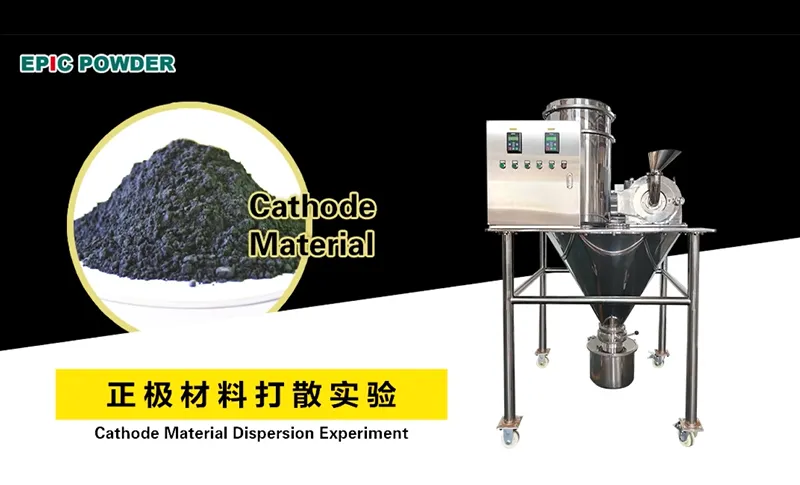
The goal of the lithium battery industry is to develop batteries with stronger functions, greater capacity, longer life, shorter charging times, and lighter weight. Lithium-ion batteries usually consist of a negative electrode (anode), a positive electrode (cathode) and a membrane. Lithium compounds used in lithium batteries have specific particle size distribution requirements, and the use of ultra-fine lithium powder can improve battery performance, including higher available capacity, longer service life, faster charging rate, higher efficiency, consistent discharge rate, and reduced size and weight.
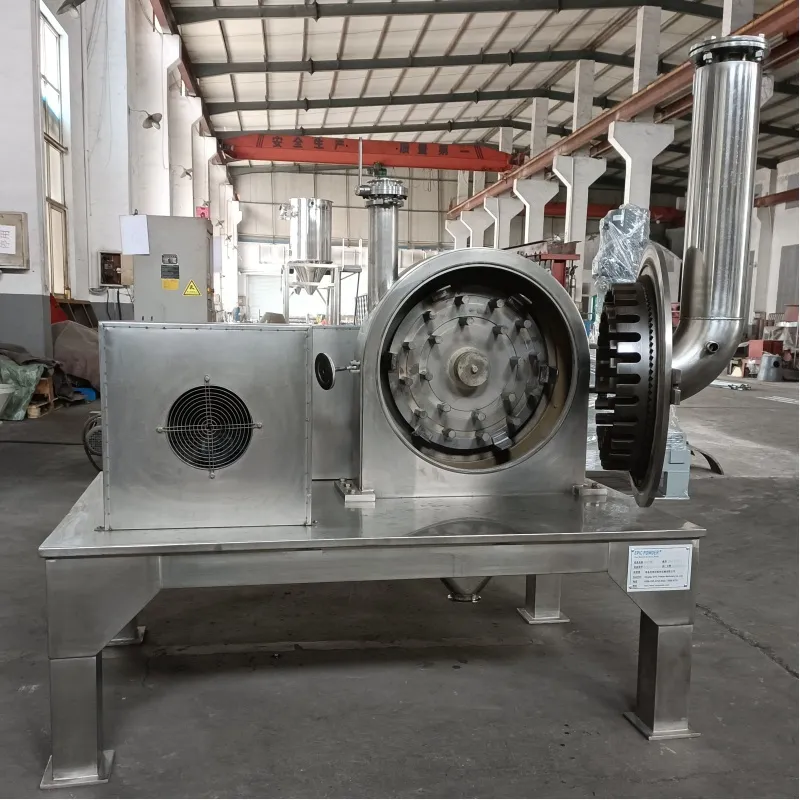
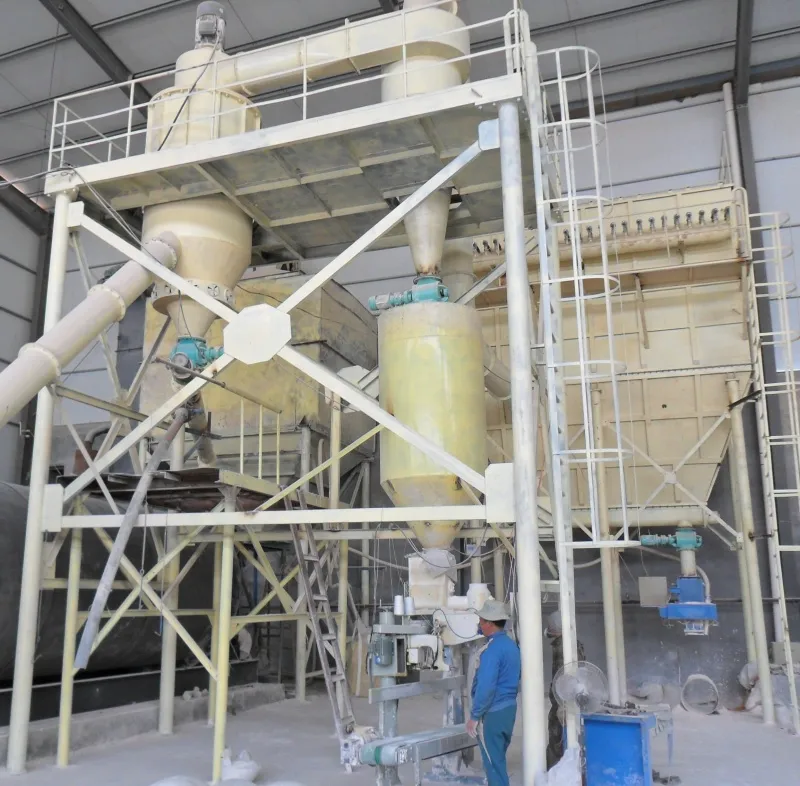
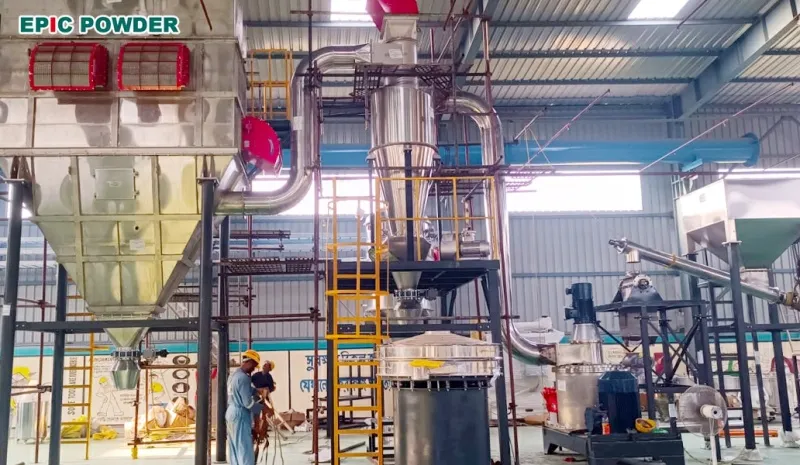
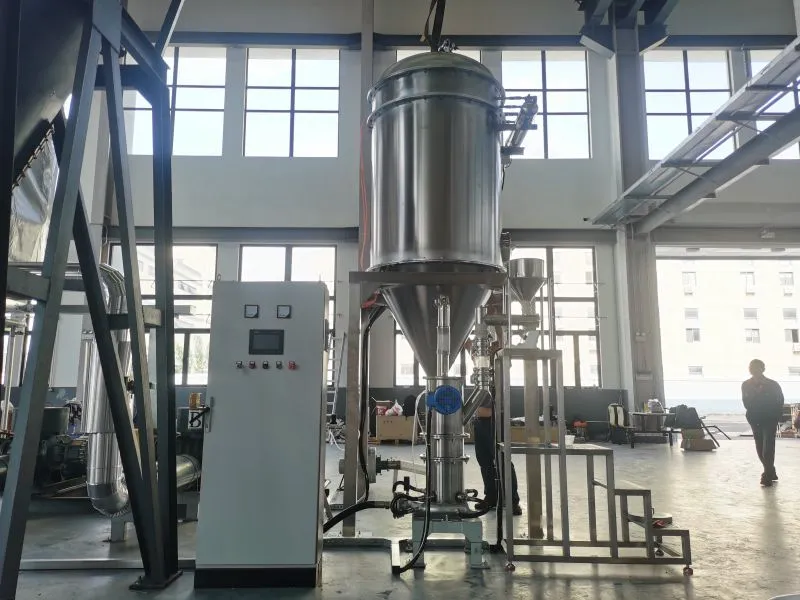
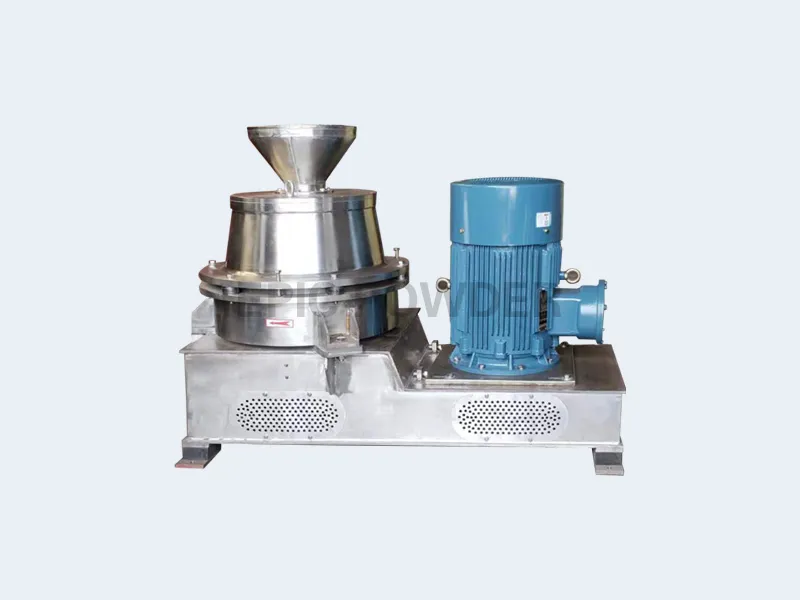
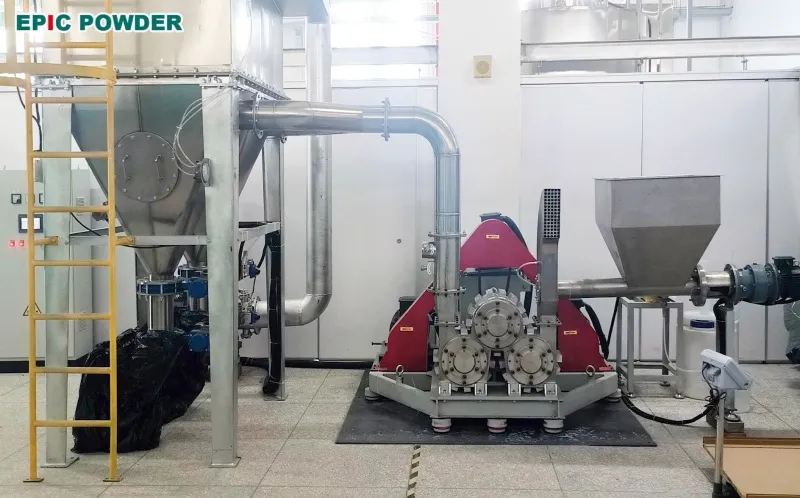
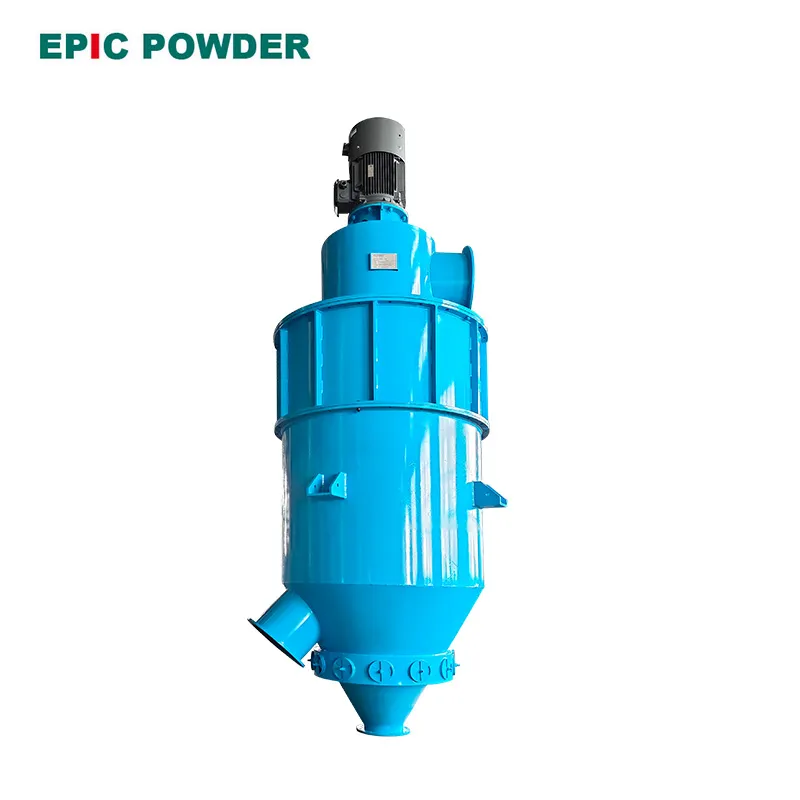
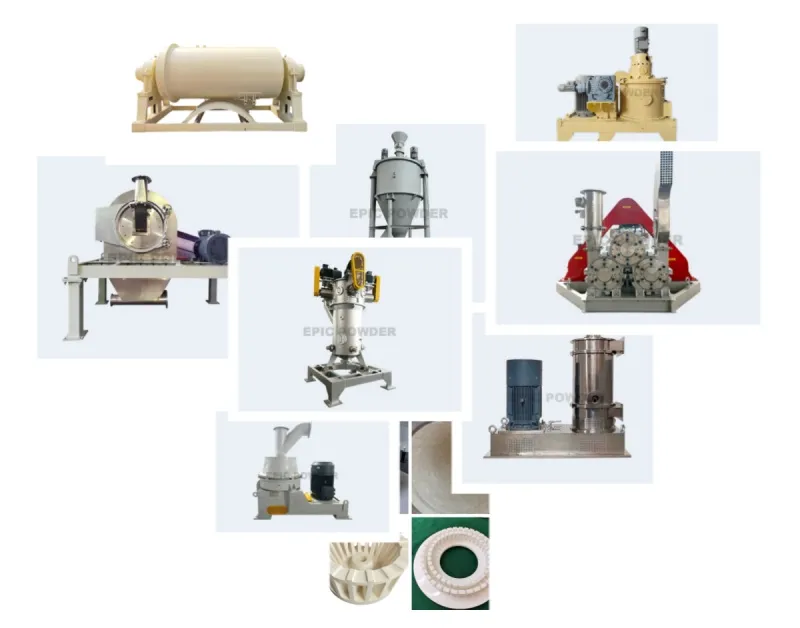
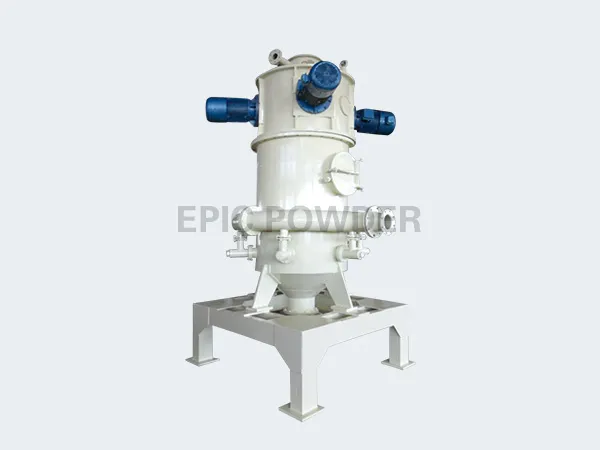
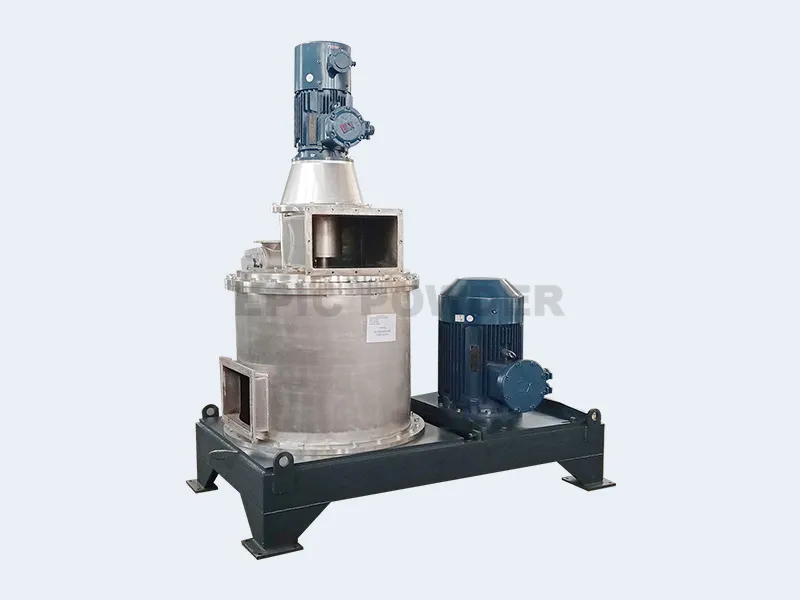
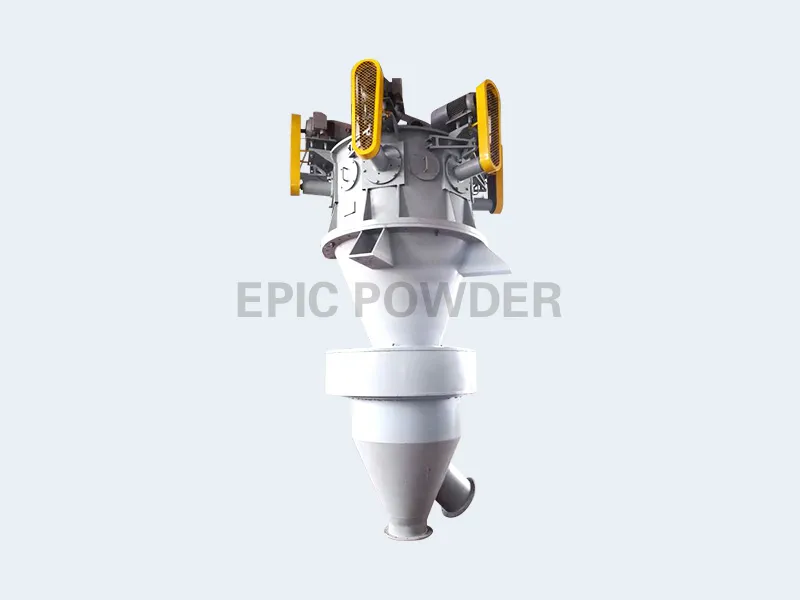
In addition to the mechanical and thermal resistance of the membrane, the key factors affecting the quality and safety of the battery also include chemical composition, the shape and particle size distribution of the active material, and the homogeneity of the battery. After continuous research and development, ALPA has a set of perfect lithium battery anode and cathode material processing scheme and equipment, which can meet the complex process requirements, including dust-free feeding, magnetic separation, ultra-fine grinding, classification, powder transport, metering packaging, automatic batching, intelligent control and other powder process integrated design.
Typical materials of cathode materials for lithium-ion batteries
1. Project Background and Challenges As a leader in China’s nuclear power engineering construction, CNPE maintains rigorous standards for nuclear-grade graphite materials. In nuclear reactors, ...
With the explosive growth of the global photovoltaic, semiconductor, and high-end electronic fiberglass industries, the demand for high-purity quartz powder has soared. The client, a ...
With the rise of the circular economy, a biomass materials company in Turkey sought to transform waste coffee grounds into high-value industrial raw materials. Post-drying, ...
Project Background A well-known graphite supplier in the United States aimed to expand its production capacity for lithium battery anode materials. The core requirement of ...
The lithium-ion battery material system is highly complex. From electrochemical core materials to structural components, it can be divided into five major categories. In industrial ...
The new energy vehicle industry is developing rapidly. Due to their high safety, long cycle life, and cost advantages, lithium iron phosphate (LiFePO₄) batteries have ...
In the world of industrial mineral processing, silica (precipitated and fumed silica) stands out as one of the most versatile functional fillers. From reinforcing high-performance ...
As modern industry places ever-increasing demands on the performance of powdered materials, ultrafine grinding technology is finding increasingly widespread application in fields such as chemicals, ...
An air classifier is a type of air classification equipment. When used in conjunction with cyclone separators, dust collectors, and other components, it utilizes airflow ...
In the field of industrial mineral processing, the ultrafine grinding of hard minerals (such as quartz, feldspar, calcite, zircon sand, silicon carbide, etc.) has always ...