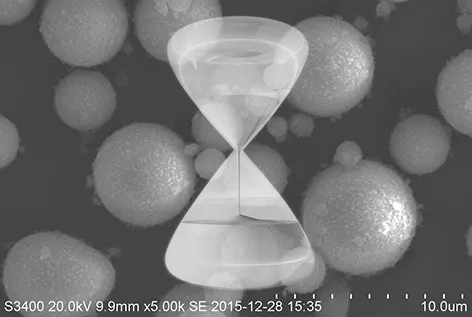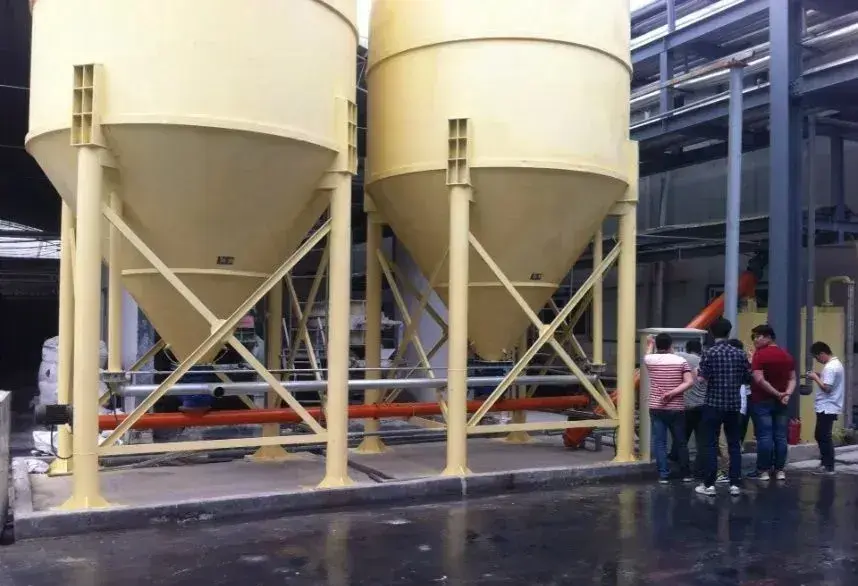
ในวงการแปรรูปผงอุตสาหกรรมสมัยใหม่ ด้วยการพัฒนาอย่างรวดเร็วของอุตสาหกรรมพลังงานใหม่ เซรามิกขั้นสูง และเซมิคอนดักเตอร์ ความต้องการของตลาดสำหรับขนาดอนุภาคได้ก้าวข้ามจากระดับ "ไมครอน" ไปสู่ระดับ "ซับไมครอน" หรือแม้กระทั่ง "นาโน" อย่างไรก็ตาม เมื่อต้องจัดการกับแร่ธาตุที่มีความแข็งสูง (ความแข็งโมห์มากกว่า 7) และมีฤทธิ์กัดกร่อนสูง เช่น ควอตซ์ ซิลิคอนคาร์ไบด์ อลูมินา และทรายเซอร์คอน เครื่องบดละเอียดพิเศษแบบดั้งเดิมมักประสบปัญหา เช่น การสึกหรออย่างรวดเร็ว ค่าบำรุงรักษาสูง และความบริสุทธิ์ของผลิตภัณฑ์ต่ำ
ดังนั้น อุปกรณ์ใดจึงเป็นตัวเลือกที่ดีที่สุดสำหรับการแปรรูปแร่ที่แข็งมากเหล่านี้? บทความนี้จะเจาะลึกถึงแก่นแท้ทางเทคนิคของการแปรรูปแร่ที่มีความแข็งสูง และนำเสนอคู่มือการเลือกใช้เครื่องมืออย่างมืออาชีพ
การวิเคราะห์แนวคิดหลัก — ความท้าทายของความแข็งและความทนทาน การบดละเอียดพิเศษ
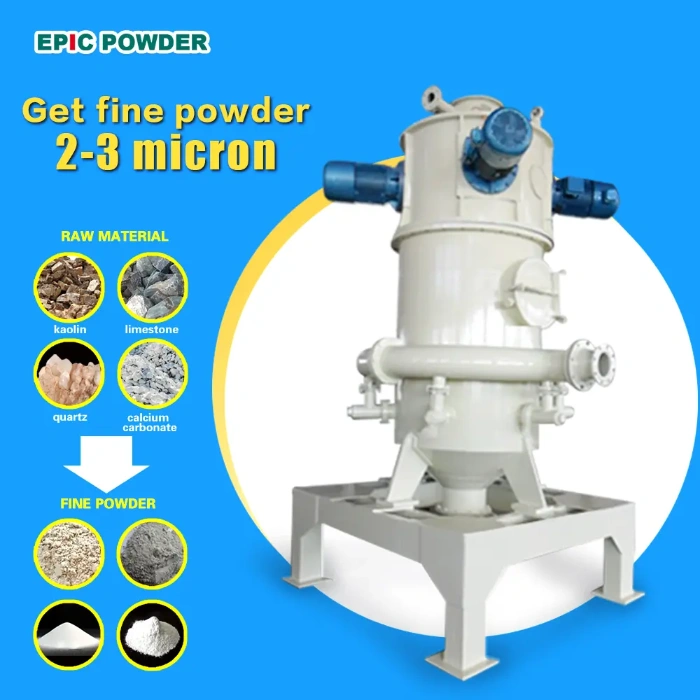
เพื่อตอบคำถามที่ว่า “เครื่องบดละเอียดพิเศษที่ดีที่สุดคืออะไร” เราต้องแยกแยะองค์ประกอบหลักทั้งสามของคำถามนี้ก่อน ได้แก่ ละเอียดพิเศษ แข็ง และมีฤทธิ์กัดกร่อน
1. “อัลตร้าไฟน์” คืออะไร?
ในทางอุตสาหกรรม คำว่า "ละเอียดมาก" โดยทั่วไปหมายถึงผลิตภัณฑ์สำเร็จรูปที่มีขนาดอนุภาค D50 ระหว่าง 1 ถึง 10 ไมโครเมตร หรือละเอียดกว่านั้น ที่ระดับนี้ พื้นที่ผิวจำเพาะของวัสดุมีขนาดใหญ่มาก และคุณสมบัติทางกายภาพและเคมีจะเปลี่ยนแปลงไปในเชิงคุณภาพ การบรรลุเป้าหมายนี้ต้องใช้พลังงานกลหรือพลังงานจลน์ของของเหลวจำนวนมหาศาล
2. แรงกดดันสองด้านจากความแข็งและความสึกหรอ
- ความแข็งสูง: แร่ธาตุที่มีความแข็งตามมาตราโมห์เกิน 7 (เช่น ควอตซ์ การ์เนต) หมายความว่าวัสดุที่ใช้ในการบดจะต้องมีความแข็งสูงกว่านั้น มิฉะนั้น "อาวุธ" จะสึกหรอก่อนที่ "ศัตรู" จะถูกกำจัด
- ความหยาบสูง: วัสดุดังกล่าวทำให้เกิดการสึกหรออย่างรุนแรงที่ผนังด้านในและโรเตอร์ของอุปกรณ์ระหว่างกระบวนการบด ซึ่งไม่เพียงแต่ทำให้ต้นทุนอะไหล่สูงขึ้นเท่านั้น แต่ที่สำคัญกว่านั้นคือทำให้เศษโลหะปนเปื้อนในผง ทำให้ปริมาณธาตุเหล็ก (Fe) เกินขีดจำกัด ซึ่งไม่เป็นไปตามข้อกำหนดของอุตสาหกรรมระดับสูง เช่น เซลล์แสงอาทิตย์หรือแบตเตอรี่ลิเธียม
3. เกณฑ์สำหรับอุปกรณ์ “ที่ดีที่สุด”
สำหรับวัสดุประเภทนี้ อุปกรณ์ที่ดีที่สุดไม่ควรตัดสินจากปริมาณผลผลิตเพียงอย่างเดียว แต่ควรพิจารณาจากตัวชี้วัดสี่ประการร่วมกัน:
- ประสิทธิภาพการบด: ไม่ว่าจะสามารถบรรลุค่า D50 หรือ D97 ที่ต้องการได้ในครั้งเดียวหรือไม่
- สวมอุปกรณ์ป้องกัน: สามารถบุภายในด้วยเซรามิก (อะลูมินา ซิลิคอนคาร์ไบด์ เซอร์โคเนีย) เพื่อให้ได้ "การสัมผัสกับโลหะเป็นศูนย์" ได้หรือไม่
- การกระจายขนาดอนุภาค (PSD): การกระจายตัวนั้นแคบและปราศจาก "การบดละเอียดเกินไป" หรือไม่
- ความต่อเนื่อง: สามารถทำงานได้อย่างเสถียรตลอด 24 ชั่วโมง 7 วันต่อสัปดาห์ โดยไม่ต้องปิดเครื่องบ่อยๆ เพื่อเปลี่ยนชิ้นส่วนที่สึกหรอหรือไม่
คำถามสำคัญและคำตอบจากผู้เชี่ยวชาญ
คำถามที่ 1: ทำไมจึงเป็นเช่นนั้น เจ็ทมิลล์ โดยทั่วไปแล้วมักนิยมใช้มากกว่าเครื่องบดกระแทกเชิงกลสำหรับวัสดุแข็งใช่หรือไม่?
คำตอบจากผู้เชี่ยวชาญ:
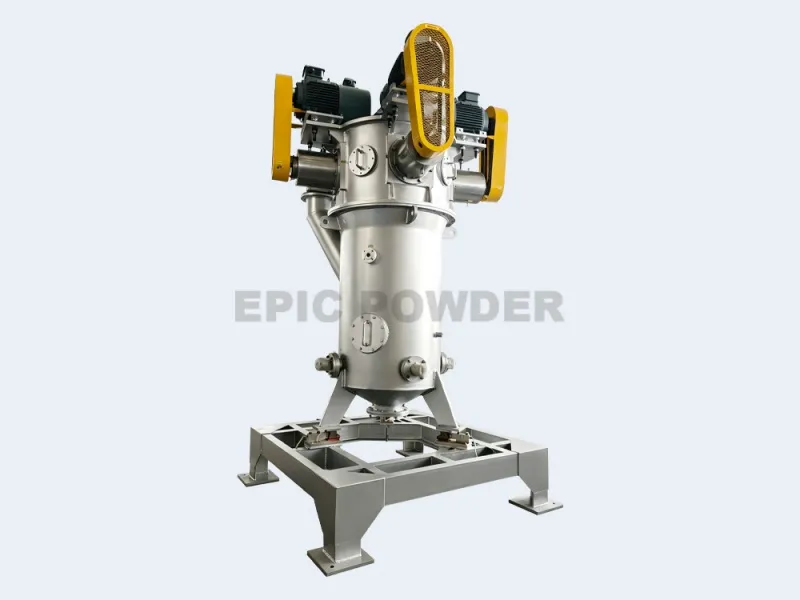
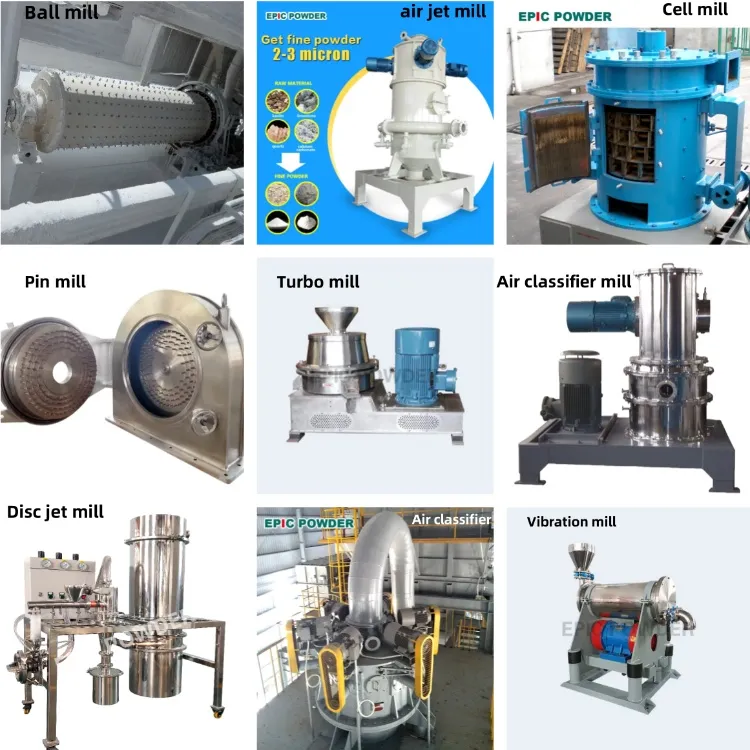
เครื่องบดเชิงกล (เช่น ซีรีส์ MJW) เครื่องแยกอากาศ) โดยส่วนใหญ่แล้วจะใช้ค้อนหมุนความเร็วสูงเป็นหลัก แม้ว่าจะได้ผลดีกับวัสดุที่อ่อนนุ่ม แต่เมื่อต้องเผชิญกับควอตซ์หรือซิลิคอนคาร์ไบด์ เครื่องเจียรละเอียดพิเศษแบบใช้ของเหลว (โดยเฉพาะ Air Jet Mill) จะมีข้อได้เปรียบโดยธรรมชาติ:
- หลักการลับคมอัตโนมัติ: เครื่องบดแบบเจ็ทใช้กระแสลมความเร็วเหนือเสียงเพื่อทำให้อนุภาคชนกันในบริเวณตรงกลาง ซึ่งหมายความว่า "วัสดุชนกับวัสดุ" แทนที่จะเป็น "โลหะชนกับวัสดุ" ช่วยลดการสึกหรอของตัวเครื่องได้อย่างมาก
- ศักยภาพในการปรับเปลี่ยนโครงสร้างเซรามิก: เครื่องบดแบบเจ็ทมีโครงสร้างที่ค่อนข้างเรียบง่าย โดยไม่มีเพลาหลักเชิงกลความเร็วสูง ส่วนประกอบสำคัญ เช่น หัวฉีด ล้อคัดแยก และผนังด้านใน สามารถเปลี่ยนทดแทนได้ง่ายด้วยเซรามิกทางวิศวกรรม ซึ่งช่วยแก้ปัญหาการปนเปื้อนของสิ่งเจือปนได้อย่างสมบูรณ์
คำถามที่ 2: คุณจะสร้างสมดุลระหว่าง “ความละเอียดในการบด” และ “ประสิทธิภาพการใช้พลังงาน” ได้อย่างไรเมื่อทำการแปรรูปวัสดุขัดถู?
คำตอบจากผู้เชี่ยวชาญ:
นี่คือข้อแลกเปลี่ยนแบบคลาสสิกในทางวิศวกรรม ยิ่งต้องการการบดที่ละเอียดมากเท่าไร ก็ยิ่งต้องการแรงดันอากาศหรือพลังงานจากวัสดุบดมากขึ้นเท่านั้น
- กลยุทธ์ที่ 1: ระบบหมุนเวียนแบบวงปิด อย่าพยายามบดให้ได้ความละเอียดสูงสุดในครั้งเดียว ให้ใช้เครื่องแยกอนุภาคด้วยลมประสิทธิภาพสูงเพื่อแยกผงที่ได้มาตรฐานทันที โดยปล่อยให้อนุภาคหยาบกลับเข้าไปใหม่ วิธีนี้จะช่วยหลีกเลี่ยงการสิ้นเปลืองพลังงานจากการบดมากเกินไปและการสึกหรอที่ไม่จำเป็น
- กลยุทธ์ที่ 2: การประมวลผลหลายขั้นตอน สำหรับแร่ที่มีฤทธิ์กัดกร่อน ให้ใช้เครื่องบดลูกบอลในการบดขั้นต้นก่อน จากนั้นใช้เครื่องบดละเอียดพิเศษสำหรับการ "ขัดเงา" ขั้นสุดท้าย การผสมผสานนี้มักจะประหยัดกว่าการใช้เครื่องจักรเพียงเครื่องเดียว
ประโยชน์ของความเป็นมืออาชีพ โซลูชันการประมวลผลละเอียดพิเศษ
การเลือกอุปกรณ์ที่เหมาะสมสำหรับแร่ที่มีความแข็งสูง (เช่น เครื่องบดเจ็ทบุเซรามิกหรือสายการผลิตคัดแยกด้วยเครื่องบดลูกบอลของ Epic Powder) จะนำมาซึ่งประโยชน์อย่างมาก:
1. ความบริสุทธิ์ของผลิตภัณฑ์ที่เหนือกว่า
ในกระบวนการผลิตผงซิลิกาสำหรับบรรจุภัณฑ์เซมิคอนดักเตอร์หรือวัสดุแคโทดของแบตเตอรี่ลิเธียม การปนเปื้อนของโลหะในระดับ ppm อาจทำให้ต้องทิ้งทั้งล็อต โซลูชันระดับมืออาชีพใช้การปกป้องเซรามิกแบบเต็มรูปแบบเพื่อให้มั่นใจได้ว่าความขาวจะไม่ลดลงและปริมาณเหล็กจะไม่เพิ่มขึ้นเกือบเป็นศูนย์
2. การกระจายขนาดอนุภาคแคบ (PSD)
หากบดแร่ที่มีความแข็งสูงมากเกินไป จะทำให้ความหนืดเพิ่มขึ้นในขั้นตอนการใช้งานต่อไป เครื่องบดละเอียดพิเศษขั้นสูงที่ติดตั้งล้อคัดแยกแนวนอนที่มีความแม่นยำสูง สามารถควบคุมการกระจายขนาดอนุภาคให้อยู่ในช่วงแคบมาก ซึ่งจะช่วยเพิ่มมูลค่าให้กับผลิตภัณฑ์
3. ค่าใช้จ่ายในการบำรุงรักษาต่ำมาก
แม้ว่าการลงทุนเริ่มต้นสำหรับการบุด้วยเซรามิกจะสูงกว่า แต่โดยทั่วไปแล้วอายุการใช้งานจะยาวนานกว่าเหล็กแมงกานีสสูงหรือโลหะผสมแข็งถึง 5-10 เท่า ซึ่งหมายความว่าเวลาหยุดทำงานเพื่อซ่อมแซมจะลดลง และสำหรับโรงงานอุตสาหกรรมขนาดใหญ่ จะส่งผลโดยตรงต่ออัตราการใช้ประโยชน์จากอุปกรณ์และผลกำไรที่สูงขึ้น
ขั้นตอนโดยละเอียด — วิธีการบดละเอียดพิเศษสำหรับแร่ธาตุแข็ง
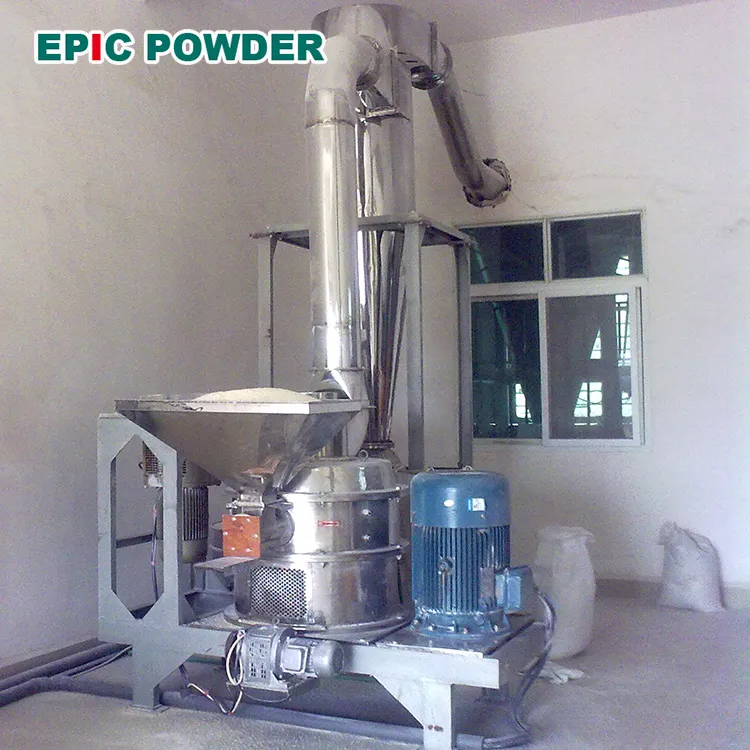
เพื่อให้การสร้างสายการผลิตแร่ที่มีความแข็งสูงประสบความสำเร็จ คุณต้องปฏิบัติตามขั้นตอนสำคัญห้าประการต่อไปนี้:
ขั้นตอนที่ 1: การวิเคราะห์ก่อนการทดสอบ
- การทดสอบความแข็ง: ตรวจสอบค่าความแข็งตามมาตราโมห์และค่าความแข็งสัมบูรณ์
- PSD เบื้องต้น: ขนาดของวัตถุดิบที่ป้อนเข้าเครื่องจะเป็นตัวกำหนดว่าจำเป็นต้องมีขั้นตอนการบดเบื้องต้นหรือไม่
- การตรวจสอบความละเอียดอ่อน: วัสดุนี้ไวต่อความร้อนหรือไม่? (โดยทั่วไปแร่ธาตุแข็งจะไม่ไวต่อความร้อน แต่ไฟฟ้าสถิตและการจับตัวเป็นก้อนระหว่างการบดจำเป็นต้องได้รับการพิจารณา)
ขั้นตอนที่ 2: การปกป้องอุปกรณ์แบบกำหนดเอง
เลือกวัสดุบุภายในตามความต้องการของผลิตภัณฑ์สำเร็จรูป:
- อะลูมินา (อลันดัม): เหมาะสำหรับแร่ธาตุอุตสาหกรรมส่วนใหญ่ ประหยัดต้นทุน
- เพชรสังเคราะห์: เหมาะสำหรับวัสดุที่มีความต้องการสีและความแข็งสูงมาก
- ซิลิคอนคาร์ไบด์: มีคุณสมบัติการนำความร้อนที่ดีเยี่ยมและทนทานต่อการสึกหรอสูงมาก
ขั้นตอนที่ 3: การออกแบบการบูรณาการระบบ
การบดละเอียดมากเป็นงานด้านวิศวกรรมระบบ ไม่ใช่กระบวนการทำงานเดี่ยวๆ:
- การให้อาหาร: ใช้เครื่องป้อนวัสดุแบบสกรูควบคุมความถี่เพื่อให้มั่นใจได้ว่าความเข้มข้นของวัสดุในห้องเจียรคงที่
- การบด: ปรับแรงดันลมในเครื่องอัดอากาศ (โดยทั่วไปอยู่ที่ 0.7-1.2 MPa) และอัตราการไหลของอากาศเข้า
- การจัดประเภท: ปรับความเร็วรอบของล้อคัดแยกแนวนอน (RPM) ความเร็วที่สูงขึ้นจะทำให้ได้ผลิตภัณฑ์ที่ละเอียดขึ้น
- ของสะสม: ใช้ตัวกรองถุงเคลือบเมมเบรนความแม่นยำสูงเพื่อให้แน่ใจว่าก๊าซไอเสียเป็นไปตามมาตรฐานการปล่อยมลพิษ
ขั้นตอนที่ 4: การปรับพารามิเตอร์ให้เหมาะสมและการทดสอบระบบ
- อัตราส่วนอากาศต่อของแข็ง: หาจุดสมดุลที่เหมาะสมระหว่างความเร็วในการป้อนอาหารและการไหลของอากาศเพื่อป้องกันการอุดตันในห้องป้อนอาหาร
- การปรับสมดุลการไหลเวียนของอากาศ: ตรวจสอบให้แน่ใจว่าปริมาตรของพัดลมดูดอากาศมีขนาดใหญ่กว่าปริมาตรของอากาศอัดเล็กน้อย เพื่อรักษาระบบให้อยู่ภายใต้แรงดันลบเล็กน้อย ป้องกันการรั่วไหลของฝุ่น
ขั้นตอนที่ 5: การตรวจสอบอัตโนมัติ
ติดตั้งระบบ PLC เพื่อตรวจสอบอุณหภูมิของแบริ่ง ความแตกต่างของแรงดันในระบบ และความถี่การหมุนของล้อคัดแยกแบบเรียลไทม์ เพื่อให้มั่นใจถึงเสถียรภาพในระยะยาว
ผลลัพธ์ที่เป็นรูปธรรม — กรณีศึกษาจากโลกแห่งความเป็นจริง
กรณีที่ 1: การประมวลผลละเอียดพิเศษของควอตซ์ความบริสุทธิ์สูง (HPQ)
- วัสดุ: ทรายควอตซ์บริสุทธิ์ 99.9%
- เป้า: D50: 3.5 μm โดยมีค่าเพิ่มขึ้นของ Fe น้อยกว่า 1 ppm
- สารละลาย: เครื่องบดผง Epic Powder Ceramic-Lined Jet Mill
- ผลลัพธ์: สายการผลิตนี้ผลิต D50 ได้อย่างเสถียรที่ 3.2 μm เนื่องจากมีการเคลือบด้วยอะลูมินา ความบริสุทธิ์จึงตรงตามมาตรฐานเบ้าหลอมพลังงานแสงอาทิตย์อย่างสมบูรณ์ การลดการปนเปื้อนของโลหะทำให้ผลิตภัณฑ์มีคุณภาพดีขึ้นถึงระดับ 30%
กรณีที่ 2: การขึ้นรูปและการเจียรอนุภาคซิลิคอนคาร์ไบด์ (SiC)
- วัสดุ: ซิลิคอนคาร์ไบด์สีเขียว ความแข็งระดับโมห์ 9.5
- เป้า: บดผงหยาบขนาด 200 เมชให้มีขนาด D97 < 10 μm
- สารละลาย: เครื่องบดละเอียดพิเศษแบบฟลูอิไดซ์เบด พร้อมล้อคัดแยกที่เคลือบด้วย SiC
- ผลลัพธ์: ประสิทธิภาพเพิ่มขึ้น 201 ตัน เมื่อเทียบกับการบดแบบดั้งเดิม อายุการใช้งานของล้อคัดแยกเพิ่มขึ้นจาก 2 สัปดาห์เป็นมากกว่า 6 เดือน ซึ่งช่วยลดต้นทุนอะไหล่ได้อย่างมาก
กรณีที่ 3: การแยกกลุ่มของลิเธียมไอรอนฟอสเฟต (LFP)
- วัสดุ: แผ่นฟิล์ม LFP แบบเผาผนึก (แข็งและมีแนวโน้มที่จะจับตัวเป็นก้อนเมื่อได้รับความชื้น)
- เป้า: สลายตัวเป็นก้อนอย่างสมบูรณ์โดยยังคงรักษาระดับขนาดผลึกเดิมไว้
- สารละลาย: เครื่องบดละเอียดพิเศษรุ่น MJW พร้อมซับในโพลียูรีเทน
- ผลลัพธ์: ในขณะที่รับประกันผลผลิตสูง รูปร่างของอนุภาคได้รับการควบคุมอย่างมีประสิทธิภาพ ช่วยปรับปรุงการไหลของสารละลายและประสิทธิภาพการชาร์จและการคายประจุของแบตเตอรี่
บทสรุป
สำหรับการแปรรูปแร่ที่มีความแข็งสูงและมีฤทธิ์กัดกร่อน เครื่องบดละเอียดพิเศษคุณภาพสูงถือเป็น "ขีดจำกัดสูงสุดของอุตสาหกรรม" เนื่องจากหลักการบดตัวเองที่เป็นเอกลักษณ์และความยืดหยุ่นของเซรามิก
ผงมหากาพย์ บริษัทมุ่งมั่นที่จะให้การสนับสนุนอย่างครบวงจร ตั้งแต่การออกแบบกระบวนการไปจนถึงการส่งมอบอุปกรณ์ หากคุณกำลังมองหาโซลูชันสำหรับแร่แข็งชนิดใดชนิดหนึ่ง โปรดปรึกษากับวิศวกรของเราได้เลย
ขอบคุณที่อ่านนะคะ หวังว่าบทความของฉันจะเป็นประโยชน์นะคะ แสดงความคิดเห็นไว้ด้านล่างได้เลยค่ะ หรือหากมีข้อสงสัยเพิ่มเติม สามารถติดต่อตัวแทนฝ่ายบริการลูกค้าออนไลน์ของ Zelda ได้ค่ะ
— โพสต์โดย เอมิลี่ เฉิน