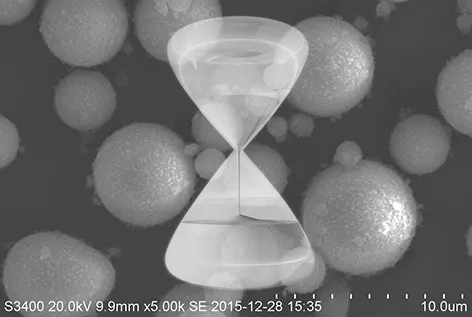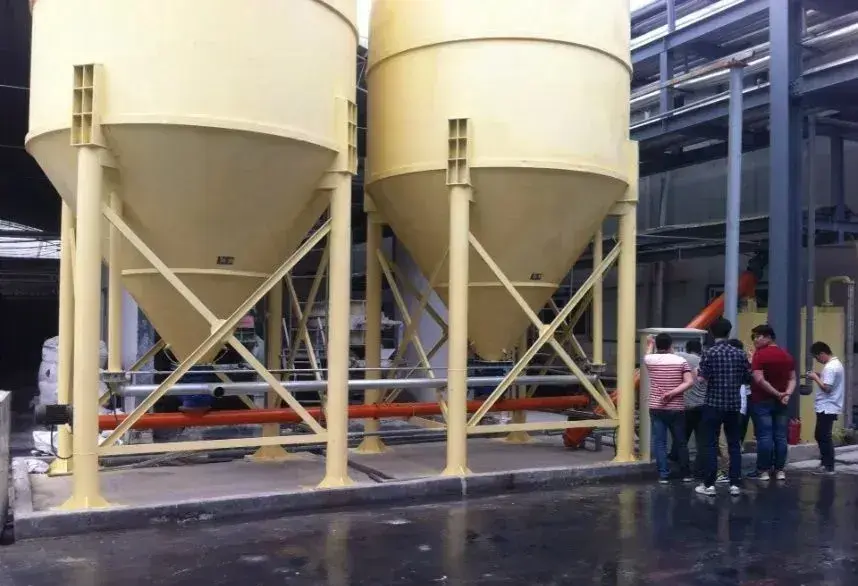
อุตสาหกรรมยานยนต์พลังงานใหม่กำลังพัฒนาอย่างรวดเร็ว แบตเตอรี่ลิเธียมเหล็กฟอสเฟต (LiFePO₄) กลายเป็นตัวเลือกหลักในตลาดแบตเตอรี่พลังงานเนื่องจากมีความปลอดภัยสูง อายุการใช้งานยาวนาน และต้นทุนต่ำ อย่างไรก็ตาม การปลดระวางแบตเตอรี่เหล่านี้ในปริมาณมากกำลังกลายเป็นปัญหาสำคัญ แบตเตอรี่ที่ใช้แล้วต้องได้รับการจัดการอย่างเหมาะสม หากปล่อยปละละเลย จะทำให้ทรัพยากรที่มีค่า เช่น ลิเธียม เหล็ก และฟอสฟอรัส สูญเปล่า นอกจากนี้ การรั่วไหลของอิเล็กโทรไลต์และการละลายของโลหะหนักอาจนำไปสู่มลภาวะทางสิ่งแวดล้อมอย่างร้ายแรง ดังนั้น การพัฒนาเทคโนโลยีการรีไซเคิลที่มีประสิทธิภาพ ประหยัด และเป็นมิตรต่อสิ่งแวดล้อมจึงเป็นเรื่องเร่งด่วนในขณะนี้
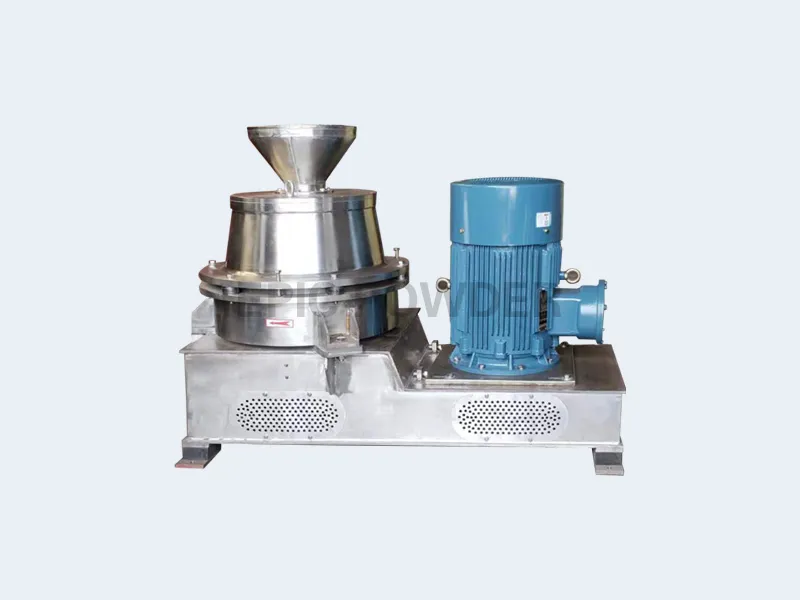
ปัจจุบัน เทคโนโลยีการรีไซเคิลวัสดุแคโทด LiFePO₄ ที่ใช้แล้ว แบ่งออกเป็น 3 ประเภทหลัก ได้แก่ การฟื้นฟูโดยตรง การเผาไหม้ด้วยความร้อน และการเผาไหม้ด้วยน้ำ การนำกระบวนการเหล่านี้ไปใช้ในระดับอุตสาหกรรม จำเป็นต้องมีอุปกรณ์แยกการจับตัวเป็นก้อนเชิงกลที่มีประสิทธิภาพสูงในขั้นตอนแรกสุด อุปกรณ์ต่างๆ เช่น เทอร์โบมิลล์ ปัจจัยเหล่านี้เป็นปัจจัยสำคัญที่กำหนดความบริสุทธิ์และประสิทธิภาพของการรีไซเคิลขั้นสุดท้ายในปัจจุบัน
เทคโนโลยีการฟื้นฟูโดยตรง: การซ่อมแซมผลึกและการกระตุ้นทางกล
เทคโนโลยีการฟื้นฟูโดยตรงช่วยคืนประสิทธิภาพทางเคมีไฟฟ้าโดยการซ่อมแซมข้อบกพร่องเชิงโครงสร้างในวัสดุ ซึ่งมีข้อดี เช่น กระบวนการทำงานที่สั้นลงและการปล่อยก๊าซคาร์บอนต่ำ
1. วิธีการสถานะของแข็งที่อุณหภูมิสูง
วิธีการสร้างโครงสร้างผลึกใหม่ด้วยอุณหภูมิสูงนั้น จะทำการสร้างโครงสร้างผลึกขึ้นใหม่โดยการเติมแหล่งลิเธียมภายใต้สภาวะอุณหภูมิสูง ตัวอย่างเช่น วัสดุที่สร้างใหม่โดยการเติมวาเนเดียมสามารถให้ความจุจำเพาะในการคายประจุได้ถึง 154.3 mAh/g ที่อัตรา 0.1C อย่างไรก็ตาม วิธีการนี้มีการใช้พลังงานสูงและมีข้อกำหนดที่เข้มงวดมากเกี่ยวกับความสม่ำเสมอของขนาดอนุภาคและความบริสุทธิ์ของวัตถุดิบ
2. วิธีการไฮโดรเทอร์มอล
วิธีการไฮโดรเทอร์มอลเป็นการฟื้นฟูวัสดุในสารละลายที่มีลิเธียมเป็นส่วนประกอบ ตัวอย่างเช่น การใช้ Na₂SO₃ เป็นสารรีดิวซ์ วัสดุแคโทดที่ได้รับการฟื้นฟูสามารถให้ความจุแบบย้อนกลับได้ถึง 135.9 mAh/g ที่อัตรา 1C โดยมีการคงความจุไว้ที่ 99% หลังจาก 100 รอบการใช้งาน อย่างไรก็ตาม ความเสี่ยงด้านความปลอดภัยที่เกี่ยวข้องกับสภาพแวดล้อมที่มีแรงดันสูงจำกัดการนำไปใช้งานในวงกว้าง
เทคโนโลยีการหลอมโลหะด้วยความร้อนสูง: การสลายตัวที่อุณหภูมิสูงและการใช้เกลือหลอมเหลวช่วย
เทคโนโลยีทางโลหะวิทยาความร้อนสูง (Pyrometallurgical technology) แยกส่วนประกอบโลหะโดยการเผาวัสดุแบตเตอรี่ที่อุณหภูมิสูง
กระบวนการถลุงโลหะแบบดั้งเดิมเกี่ยวข้องกับการเผาที่อุณหภูมิประมาณ 1000°C เพื่อสลายสารอินทรีย์และสารยึดเกาะ จากนั้นจึงตามด้วยกระบวนการถลุงโลหะด้วยน้ำเพื่อสกัดโลหะมีค่ากลับคืนมา
เพื่อลดการใช้พลังงาน นักวิจัยได้พัฒนาวิธีการที่ใช้เกลือหลอมเหลวเป็นตัวช่วย โดยใช้ NaOH หรือ NaHSO₄ เป็นตัวกระตุ้น ซึ่งสามารถลดอุณหภูมิปฏิกิริยาลงเหลือ 400–900°C ทำให้ได้อัตราการสกัดลิเธียมสูงกว่า 99%
อย่างไรก็ตาม กระบวนการถลุงโลหะด้วยความร้อนยังคงประสบปัญหาการใช้พลังงานสูง การเกิดก๊าซอันตราย เช่น HF และความยากลำบากในการรีไซเคิลเกลือ ซึ่งจำกัดการนำไปใช้ในอุตสาหกรรมขนาดใหญ่ภายใต้กฎระเบียบด้านสิ่งแวดล้อมที่เข้มงวดมากขึ้นเรื่อยๆ
เทคโนโลยีไฮโดรเมทัลลurgical: กระบวนการหลักและบทบาทสำคัญของเครื่องเทอร์ไบล์
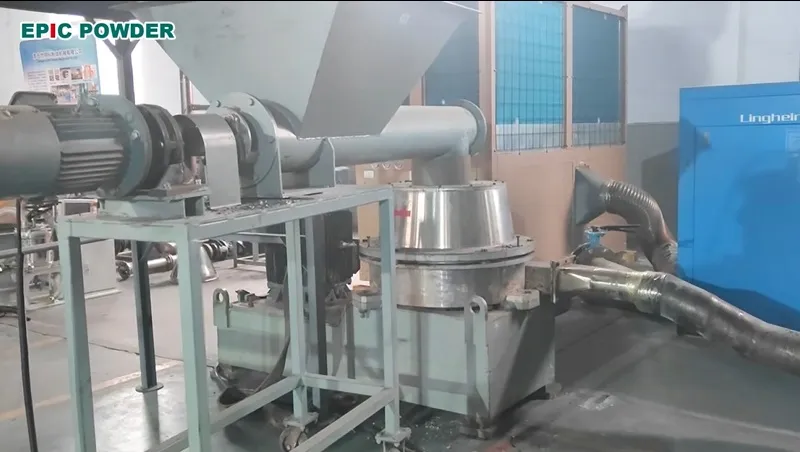
ปัจจุบัน กระบวนการไฮโดรเมทัลลurgy เป็นเทคโนโลยีการรีไซเคิลที่มีศักยภาพเชิงพาณิชย์มากที่สุด กระบวนการมาตรฐานประกอบด้วย: การเตรียมการเบื้องต้น → การชะล้าง → การกำจัดสิ่งเจือปน → การสร้างผลิตภัณฑ์ใหม่
ขั้นตอนการเตรียมการเบื้องต้น: เครื่องบดเทอร์โบช่วยให้การแยก “อลูมิเนียม-เหล็ก-ลิเธียม” มีประสิทธิภาพ
คุณภาพของการเตรียมการเบื้องต้นมีผลโดยตรงต่อความบริสุทธิ์ของระบบสารละลายในขั้นตอนต่อไป ในอุตสาหกรรม มักใช้วิธีการบดเชิงกลแบบดั้งเดิม อย่างไรก็ตาม เครื่องบดแบบดั้งเดิม (เช่น เครื่องบดแบบเฉือนและเครื่องบดแบบค้อน) มักทำให้แผ่นฟอยล์อะลูมิเนียมและผงแคโทด "ผสมกัน" ก่อให้เกิดการปนเปื้อนฝังตัว แผ่นฟอยล์อะลูมิเนียมที่ตกค้างจะนำสิ่งเจือปน เช่น Al, F และ Ti เข้ามา ทำให้การทำให้บริสุทธิ์ทางเคมีในขั้นตอนต่อไปยากขึ้นอย่างมาก
การเพิ่มประสิทธิภาพของ Turbo Mill ในขั้นตอนการเตรียมการเบื้องต้น
ด้วยการนำ Turbo Mill ซึ่งเป็นอุปกรณ์สลายการจับตัวเป็นก้อนเชิงกลประสิทธิภาพสูง มาใช้ในสายการเตรียมการเบื้องต้น แรงเฉือนความถี่สูงและแรงกระแทกจากกระแสน้ำวนจะเกิดขึ้นภายในห้องบดผ่านใบพัดกังหันที่หมุนด้วยความเร็วสูง
การแยกชั้นแบบเลือกเฉพาะ:
แผ่นฟอยล์อะลูมิเนียมมีความยืดหยุ่น ในขณะที่ผงแคโทด LFP ที่ใช้แล้วนั้นแข็งและเปราะ ภายใต้การเสียดสีความถี่สูงและผลกระทบจากการกระแทกขนาดเล็กของเครื่อง Turbo Mill วัสดุเคลือบแคโทดจะหลุดออกจากพื้นผิวฟอยล์อะลูมิเนียมอย่างรวดเร็วและแม่นยำ (การลอกเคลือบ) และถูกบดเป็นผง
การแยกตามลักษณะทางสัณฐานวิทยา:
แผ่นฟอยล์อะลูมิเนียมจะถูกตัดเป็นเกล็ดเล็กๆ ขนาดสม่ำเสมอ ในขณะที่ผงลิเธียมเหล็กฟอสเฟต (LFP) จะกลายเป็นผงละเอียดมาก จากนั้นจึงทำการแยกด้วยลมหรือการร่อนแบบสั่น เพื่อให้สามารถแยก "เกล็ดอะลูมิเนียม" และ "ผงลิเธียมเหล็กฟอสเฟต" ออกจากกันได้อย่างมีประสิทธิภาพ ซึ่งจะช่วยป้องกันไม่ให้สิ่งเจือปนของอะลูมิเนียมเข้าสู่ระบบการชะล้างได้
กระบวนการชะล้าง: การชะล้างธาตุทั้งหมดและการสกัดลิเธียมแบบเลือกเฉพาะ
การชะล้างธาตุทั้งหมด:
การใช้ระบบกรดอนินทรีย์หรืออินทรีย์ (เช่น ระบบ H₃PO₄–กรดออกซาลิก) สามารถเพิ่มอัตราการชะล้างลิเธียมและเหล็กได้เกิน 971 ตันต่อลูกบาศก์เมตร อย่างไรก็ตาม การใช้กรดมีปริมาณมากและกระบวนการบำบัดน้ำเสียเป็นภาระหนัก
การสกัดลิเธียมแบบเลือกเฉพาะ:
การใช้สารออกซิไดซ์ เช่น H₂O₂ และ NaClO จะทำให้ลิเธียมถูกชะออกมาได้ดีกว่า (อัตราการชะ >95%) ในขณะที่เหล็กและฟอสฟอรัสจะยังคงอยู่ในสารตกค้างในรูปของเหล็กฟอสเฟต (FePO₄)
ความท้าทายในการกำจัดสิ่งเจือปน: การแยกเชิงลึกและการควบคุมผลึก
การกำจัดอะลูมิเนียม ฟลูออรีน และไทเทเนียมออกจากพื้นผิวอย่างล้ำลึกยังคงเป็นอุปสรรคสำคัญในอุตสาหกรรม
วิธีการประสานฟลูออไรด์สามารถกำจัดอะลูมิเนียมได้ 99.41 TP3T และฟลูออรีนได้ 96.41 TP3T พร้อมกัน แต่ต้องควบคุมอัตราส่วน Al/F อย่างแม่นยำ การบำบัดด้วยความร้อนสามารถกำจัดฟลูออรีนได้มากกว่า 901 TP3T แต่อาจปล่อยก๊าซพิษออกมา การตกผลึกแบบเหนี่ยวนำสามารถกำจัดไทเทเนียมได้มากกว่า 801 TP3T โดยมีการสูญเสียเหล็กต่ำกว่า 0.81 TP3T
ขั้นตอนการฟื้นฟูผลิตภัณฑ์
ของเหลวที่ได้จากการชะล้างทั้งหมดสามารถนำมาใช้สังเคราะห์ FePO₄ และ Li₂CO₃ ได้ อย่างไรก็ตาม การปนเปื้อนของสิ่งเจือปนส่งผลต่อความบริสุทธิ์ของผลิตภัณฑ์ กากที่เหลือจากการสกัดลิเธียมจะต้องผ่านกระบวนการชะล้างด้วยกรด การทำให้บริสุทธิ์ และการตกตะกอน เพื่อผลิต FePO₄ ที่มีคุณภาพสำหรับใช้ในแบตเตอรี่
ในขั้นตอนนี้ ผงที่ผ่านการกลั่นด้วย Turbo Mill จะมีปฏิกิริยาสูงขึ้น ซึ่งช่วยลดการใช้สารเคมีลงได้ถึง 10%–15%
เทคโนโลยีเกิดใหม่: การกระตุ้นเชิงกลและวิธีการทางเคมีไฟฟ้า
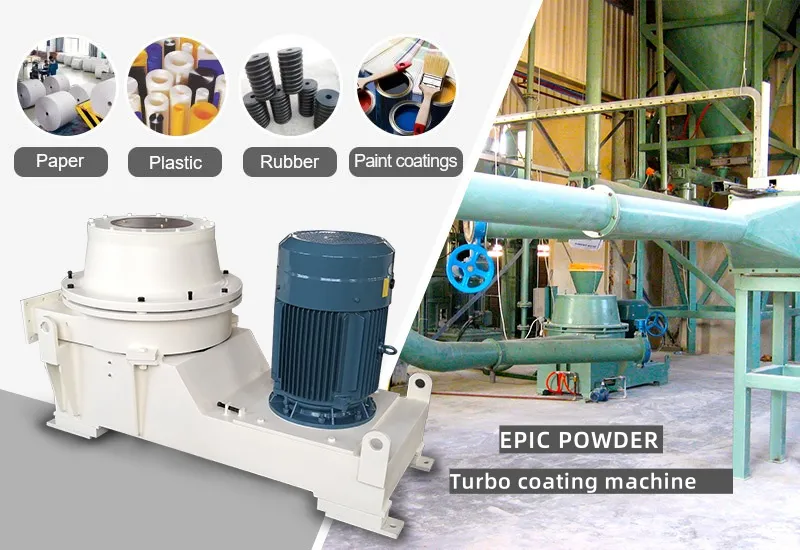
ในด้านการกระตุ้นเชิงกล เทอร์โบมิลล์แสดงให้เห็นถึงฟังก์ชันคู่ ได้แก่ การบดละเอียดพิเศษและการกระตุ้นเชิงกลเคมี
การกัดด้วยความเร็วปลายหัวกัดสูงพิเศษ กระบวนการนี้ไม่ได้แค่ลดขนาดอนุภาคเท่านั้น แต่ยังทำให้เกิดการบิดเบี้ยวของโครงสร้างผลึก การเคลื่อนตัวของอะตอม และการสะสมพลังงานกลภายในวัสดุ ผง LFP ที่ผ่านการกระตุ้นด้วยกลไกนี้ช่วยให้สามารถสกัดลิเธียมได้ภายใต้สภาวะที่ไม่รุนแรงมากนัก ไม่จำเป็นต้องใช้กรดเข้มข้นหรือสารออกซิไดซ์ที่รุนแรง ในขณะที่ยังคงประสิทธิภาพการสกัดลิเธียมได้สูงถึง 99.551 TP3T ซึ่งท้ายที่สุดแล้วจะช่วยปรับปรุงทั้งเศรษฐกิจของกระบวนการและประสิทธิภาพด้านสิ่งแวดล้อมได้อย่างมาก
ความท้าทายของอุตสาหกรรมและโอกาสในอนาคต
แม้จะมีเทคโนโลยีการรีไซเคิลที่หลากหลาย แต่ปัญหาหลักสามประการยังคงอยู่:
- การใช้ประโยชน์จากทรัพยากรเหล็ก-ฟอสฟอรัสที่มีมูลค่าสูงยังไม่เพียงพอ
- ความยากลำบากในการกำจัดสิ่งเจือปนอย่างลึก เช่น อลูมิเนียมและไทเทเนียม
- ความขัดแย้งระหว่างต้นทุนทางเศรษฐกิจและความยั่งยืนด้านสิ่งแวดล้อม
แนวทางในอนาคตสู่ห่วงโซ่อุตสาหกรรมแบบครบวงจร
การพัฒนาในอนาคตควรเร่งดำเนินการตามกลยุทธ์การรีไซเคิลที่เป็นมิตรต่อสิ่งแวดล้อมและกระบวนการที่รวดเร็ว:
- อัปเกรดกระบวนการที่ต้นทาง: ส่งเสริมการใช้เครื่องมือแยกสารด้วยความร้อนที่มีประสิทธิภาพสูง เช่น เทอร์โบมิลล์ เพื่อลดการปนเปื้อนของอะลูมิเนียมก่อนกระบวนการไฮโดรเมทัลลurgical ซึ่งจะช่วยลดการใช้สารเคมีลง
- การใช้ประโยชน์ที่มีมูลค่าสูง: สำรวจการประยุกต์ใช้เชิงลึกของกากที่เหลือจากการสกัดลิเธียมในฐานะตัวเร่งปฏิกิริยาหรือวัสดุเชิงฟังก์ชัน
- การปรับปรุงคุณภาพวัสดุ: พัฒนากระบวนการสร้างใหม่โดยตรง เช่น การแปลง LiFePO₄ ที่ใช้แล้วให้เป็น LiFe₀.₅Mn₀.₅PO₄ สารละลายของแข็งแรงดันสูง
บทสรุป
การสร้างระบบหมุนเวียนสีเขียวในห่วงโซ่อุตสาหกรรมยานยนต์พลังงานใหม่ จำเป็นต้องมีการรีไซเคิลแบตเตอรี่ที่มีประสิทธิภาพ สะอาด และมีมูลค่าสูง การผสานรวมเทคโนโลยีหลายประเภทเข้าด้วยกันคือหัวใจสำคัญ เริ่มต้นด้วยการแยกทางกายภาพที่มีประสิทธิภาพสูงและการกระตุ้นเชิงกลโดยใช้เครื่อง Turbo Mill ในขั้นตอนแรก จากนั้นจึงทำการแยกอย่างแม่นยำด้วยกระบวนการไฮโดรเมทัลลurgy และปิดท้ายด้วยการฟื้นฟูที่มีมูลค่าสูงและใช้เวลาน้อยในขั้นตอนสุดท้าย
ด้วยการบูรณาการอย่างลึกซึ้งระหว่างอุปกรณ์บดอุตสาหกรรมขั้นสูงกับเทคโนโลยีการรีไซเคิลทางเคมี เราสามารถสร้างระบบแบบครบวงจร “การรีไซเคิล – การฟื้นฟู – การใช้งาน” ซึ่งจะช่วยสนับสนุนทรัพยากรอย่างแข็งแกร่งสำหรับการพัฒนาอย่างยั่งยืนของเศรษฐกิจคาร์บอนต่ำ

ขอบคุณที่อ่านนะคะ หวังว่าบทความของฉันจะเป็นประโยชน์นะคะ แสดงความคิดเห็นไว้ด้านล่างได้เลยค่ะ หรือหากมีข้อสงสัยเพิ่มเติม สามารถติดต่อตัวแทนฝ่ายบริการลูกค้าออนไลน์ของ Zelda ได้ค่ะ
— โพสต์โดย เอมิลี่ เฉิน