I. Pendahuluan: “Perang Kemurnian” dalam Material Semikonduktor
Mendefinisikan Standar 5N: Mengapa Kemurnian 99,999% Penting
Dalam industri semikonduktor, kemurnian sangatlah penting. Standar “5N” mengacu pada material dengan kemurnian 99,999%, yang berarti total pengotor kurang dari 10 bagian per juta (ppm). Mencapai kemurnian ultra-tinggi ini secara langsung memengaruhi kinerja perangkat dengan meminimalkan cacat dan kegagalan listrik yang disebabkan oleh kontaminan. Untuk material pembawa, pelapis, dan aditif—terutama yang digunakan dalam fabrikasi wafer—mencapai standar kemurnian 5N sangat penting untuk manufaktur semikonduktor yang konsisten dan menghasilkan hasil yang tinggi.
Latar Belakang Industri: Meningkatnya Permintaan Semikonduktor Generasi ke-3
Dengan semakin populernya semikonduktor generasi ketiga seperti Silikon Karbida (SiC) dan Galium Nitrida (GaN), persyaratan untuk material terkait pun terus berkembang. Semikonduktor senyawa canggih ini membutuhkan tingkat kemurnian yang lebih tinggi; standar bergeser dari 4N (99,99%) ke 5N (99,999%) di seluruh substrat pembawa, pelapis, dan aditif. Lompatan ini didorong oleh kebutuhan akan sifat listrik yang sempurna dan stabilitas termal di bawah kondisi pemrosesan yang semakin agresif.
Inti Tesis: Ukuran Mikron dan Kemurnian Ultra Tinggi Tidak Dapat Ditawar
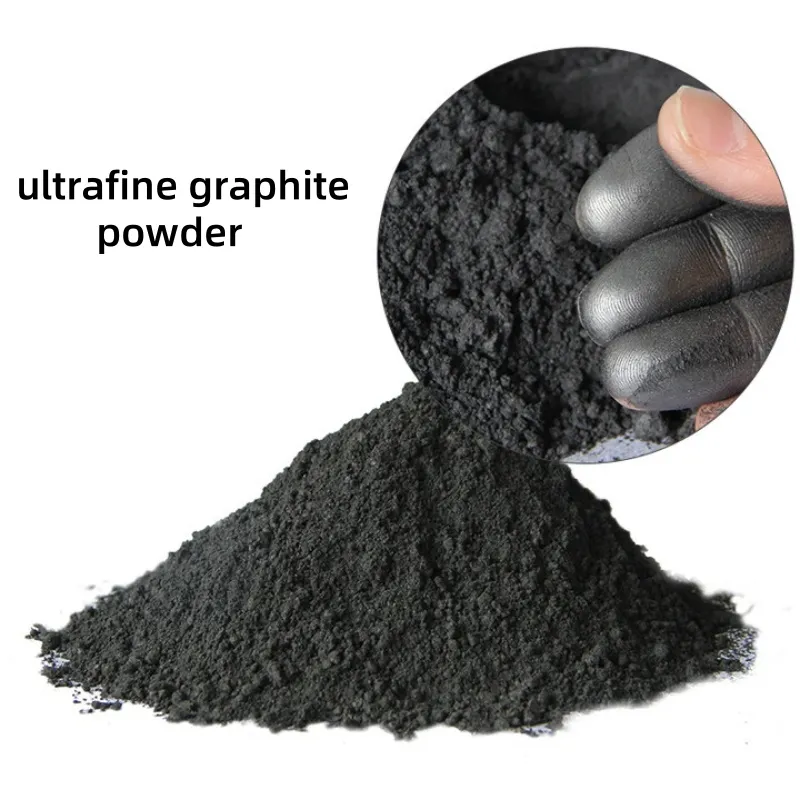
Mencapai node semikonduktor canggih membutuhkan kombinasi faktor yang tepat. Bubuk grafit sintetis berukuran mikron dengan kemurnian ultra tinggi sangat penting. Aspek "ukuran mikron" memastikan distribusi partikel yang seragam dan luas permukaan optimal untuk pelapisan dan konduksi termal yang konsisten. Secara bersamaan, mempertahankan kemurnian 5N menghilangkan pengotor logam dan non-logam yang dapat menurunkan keandalan perangkat. Hanya melalui kombinasi yang tepat ini, produsen dapat memenuhi tuntutan ketat fabrikasi semikonduktor generasi berikutnya.
II. Tanya Jawab Inti: Penelusuran Mendalam Mengenai Isu-isu Kritis Industri
Q1: Mengapa kita harus memilih “Grafit Sintetis” daripada “Grafit Alami” untuk proses semikonduktor?
Menjawab:
- Konsistensi Struktur Kristal: Grafit sintetis dibuat melalui proses grafitisasi suhu tinggi di atas 2800°C, sehingga menghasilkan struktur kisi yang jauh lebih teratur. Keseragaman ini memastikan konduktivitas termal dan listrik yang stabil, yang sangat penting untuk manufaktur semikonduktor canggih.
- Batas Kontrol Pengotor: Grafit alami berasal dari endapan alami yang mengandung pengotor logam, seperti besi. Unsur-unsur ini sangat sulit dihilangkan sepenuhnya. Grafit sintetis dimulai dengan prekursor terkontrol seperti kokas minyak bumi. Hal ini memungkinkan kontrol kemurnian yang unggul yang dibutuhkan untuk memenuhi standar ketat 5N (99,999%) untuk kelas semikonduktor.
- Karakteristik Isotropik: Grafit sintetis menawarkan keseragaman mikroskopis yang luar biasa, artinya ia berperilaku konsisten ke segala arah. Hal ini menjadikannya pilihan yang unggul untuk fabrikasi semikonduktor presisi. Ini sangat penting untuk material pelapis dan aditif, di mana konsistensi kinerja sangatlah utama.
Q2: Bagaimana kemurnian 5N secara langsung berkontribusi pada tingkat hasil wafer?
Menjawab:
- Mencegah Kontaminasi Ion: Pada kemurnian 5N, kandungan ion logam (Fe, Cu, Al, dll.) dikurangi hingga tingkat ultra-rendah. Hal ini meminimalkan risiko difusi ion yang tidak diinginkan ke dalam wafer silikon atau SiC selama proses suhu tinggi—kontaminasi yang dapat menyebabkan kegagalan listrik atau menurunkan keandalan perangkat.
- Stabilitas Medan Termal: Grafit sintetis dengan kemurnian tinggi jauh lebih tahan terhadap siklus termal berulang, yang berarti konduktivitas termal dan strukturnya tetap stabil selama fase pertumbuhan Epi. Stabilitas ini mengurangi dislokasi dan cacat kristal, secara langsung meningkatkan kualitas wafer dan tingkat hasil keseluruhan.
Untuk informasi lebih lanjut tentang teknik pemrosesan bubuk ultrahalus yang penting untuk menjaga kemurnian tetap utuh, jelajahi teknik lanjutan. teknologi penggilingan jet dapat memberikan wawasan industri yang berharga.
III. Teknologi Utama: Penghancuran Bubuk Grafit Ultra Halus
Bubuk grafit sintetis berukuran mikro kelas 5N tidak hanya harus sangat murni; bubuk tersebut juga harus digiling halus dan berukuran seragam. Proses penggilingan ultra-halus secara langsung memengaruhi aktivitas fisik dan kinerja bubuk dalam aplikasi semikonduktor.
1. Teknologi Penggilingan Jet
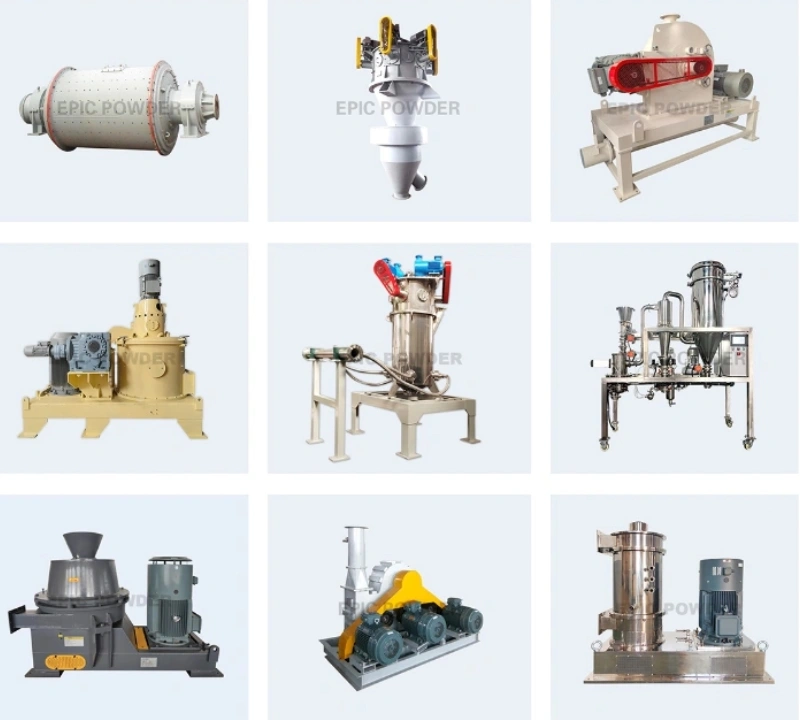
- Prinsip: Menggunakan aliran udara supersonik untuk membuat partikel grafit bertabrakan satu sama lain, menghancurkannya tanpa bagian penggiling mekanis yang menyentuh bubuk tersebut.
- Keuntungan: Metode tanpa kontak ini mencegah kontaminasi logam, menjadikan jet milling pilihan terbaik untuk menjaga tingkat kemurnian 5N.
- Klasifikasi: Dilengkapi dengan roda pengklasifikasi presisi tinggi untuk menjaga ukuran partikel D50 tetap berada dalam kisaran mikron, sehingga memungkinkan distribusi partikel yang konsisten.
2. Proses Penggilingan Kriogenik
- Prinsip: Proses penggilingan berlangsung dalam lingkungan yang didinginkan dengan nitrogen cair, sehingga menghindari panas berlebih lokal yang disebabkan oleh gesekan selama penghancuran berkecepatan tinggi.
- Tujuan: Menjaga stabilitas kimia grafit sintetis dengan melindungi gugus fungsional permukaannya dan mencegah oksidasi bubuk tersebut.
3. Menjaga Kemurnian Selama Proses Penghancuran (Pengendalian Kontaminasi)
- Perlindungan Lapisan: Penggunaan lapisan keramik seperti alumina atau silikon karbida, bersama dengan lapisan poliuretan, membantu menghindari masuknya kotoran akibat keausan peralatan selama proses penggilingan.
Memilih proses penggilingan yang tepat sangat penting. Bagi mereka yang tertarik untuk menyempurnakan proses bubuk lebih lanjut, memahami pertimbangan utama dalam modifikasi permukaan bubuk dapat membantu mengoptimalkan kualitas dan kinerja produk akhir. Untuk tinjauan rinci tentang proses penggilingan yang mempertahankan kemurnian dan ukuran partikel, menjelajahi teknologi dan peralatan penggilingan bubuk ultrahalus tingkat lanjut sangat disarankan.
IV. Skenario Aplikasi: Tahapan untuk Grafit Kemurnian Tinggi Berukuran Mikron
Grafit sintetis berukuran mikron dengan kemurnian ultra tinggi memainkan peran penting di berbagai proses manufaktur semikonduktor canggih:
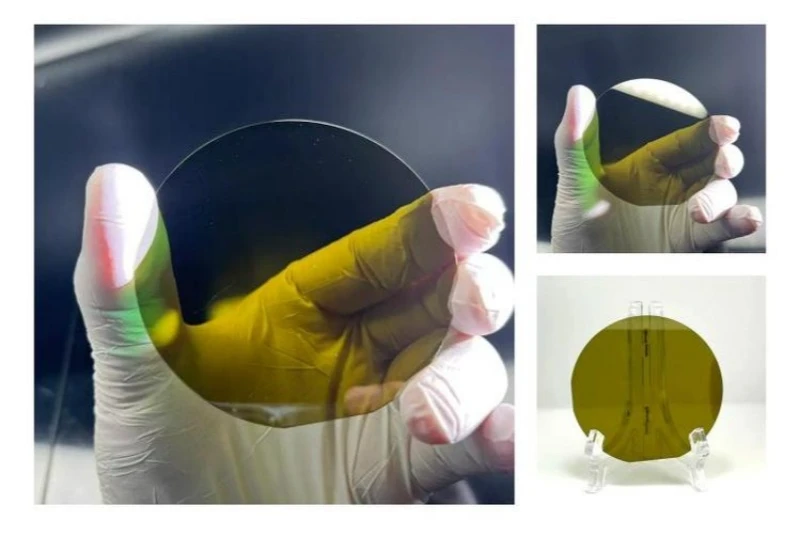
- Substrat Pelapisan SiCGrafit ini berperan sebagai aditif penting dalam proses pelapisan Chemical Vapor Deposition (CVD), meningkatkan keseragaman pelapisan dan stabilitas termal yang sangat penting untuk wafer SiC berkualitas tinggi.
- Bahan Antarmuka Termal (TIM) Kemasan Tingkat LanjutBerkat konduktivitas termal bidangnya yang sangat baik, grafit sintetis berukuran mikron banyak digunakan dalam TIM (Thermal Interface Material), meningkatkan pembuangan panas dan meningkatkan keandalan perangkat dalam lingkungan pengemasan yang ketat.
- Komponen Implantasi Ion & Etching PlasmaGrafit sintetis dengan kemurnian tinggi memungkinkan produksi suku cadang presisi yang dibutuhkan dalam peralatan implantasi ion dan etsa plasma, di mana keseragaman mikroskopis dan pengendalian kontaminasi sangat penting.
Aplikasi ini tidak hanya membutuhkan kemurnian 5N tetapi juga ukuran partikel skala mikron yang konsisten. Hal ini dapat dicapai melalui teknik penggilingan ultra-halus khusus, seperti penggilingan jet yang dikombinasikan dengan sistem klasifikasi presisi. Secara khusus, pengklasifikasi ganda turbo memastikan ukuran partikel yang tepat dan keseragaman. Perpaduan antara kemurnian dan kontrol partikel ini menjadikan grafit sintetis berukuran mikron sangat diperlukan dalam fabrikasi semikonduktor mutakhir.
V. Tantangan Industri dan Prospek Masa Depan
Perjalanan untuk menghasilkan grafit sintetis berukuran mikron dengan kemurnian 5N menghadapi beberapa tantangan utama.
- Pengurangan Biaya yang Dapat Diperluas: Meningkatkan efisiensi keluaran penggilingan jet tanpa mengorbankan kemurnian 5N sangat penting. Ini berarti mengoptimalkan aliran udara supersonik dan sistem klasifikasi untuk memproses volume yang lebih tinggi sambil menghindari kontaminasi logam atau pergeseran ukuran partikel.
- Tren Substitusi Domestik: Para produsen regional membuat terobosan signifikan dalam peralatan penghancuran ultra-halus dan sintesis grafit sintetis dengan kemurnian tinggi. Hal ini tidak hanya meningkatkan keamanan rantai pasokan tetapi juga membantu menyeimbangkan kualitas dengan keunggulan biaya. Kemampuan lokal yang canggih mulai menantang pemasok tradisional dengan mencapai bubuk grafit berukuran mikron dengan kemurnian 5N yang konsisten.
- Jalan Menuju 6N: Ke depan, node semikonduktor generasi berikutnya akan menuntut kemurnian ultra-batas, seringkali di bawah 1 ppm total pengotor. Mencapai tingkat "6N" (99,9999%) ini akan membutuhkan inovasi tidak hanya dalam sintesis bahan baku tetapi juga dalam pengendalian kontaminasi di seluruh jalur produksi. Hal ini membuka jalan bagi evolusi berkelanjutan dalam teknologi grafit sintetis berukuran mikron untuk memenuhi standar kemurnian yang semakin ketat.
Bagi mereka yang tertarik dengan bagaimana teknik penggilingan ultra-halus mutakhir mendorong peningkatan industri, menjelajahinya sangat penting. kemajuan penggiling ultrahalus Memberikan wawasan yang berharga.
Mencapai produksi grafit sintetis berukuran mikro dengan kemurnian tinggi dan skalabilitas akan menjadi faktor penentu. Hal ini akan menentukan kemampuan industri semikonduktor untuk memenuhi permintaan yang meningkat, sekaligus mendorong batas kinerja dan keandalan.

Terima kasih sudah membaca. Semoga artikel saya bermanfaat. Silakan tinggalkan komentar di bawah. Anda juga bisa menghubungi perwakilan pelanggan Zelda online untuk pertanyaan lebih lanjut.
— Diposting oleh Emily Chen