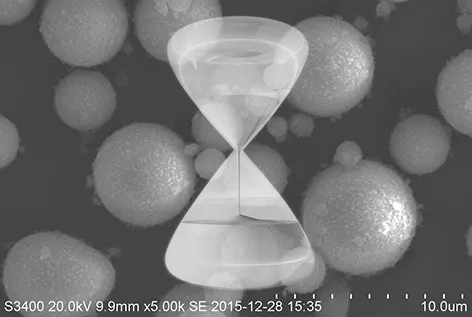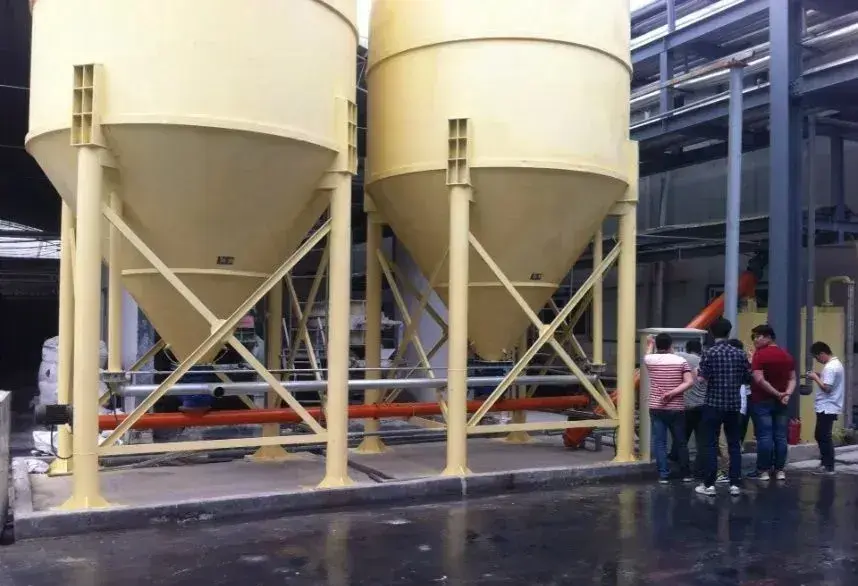
Raw materials are rarely usable in their mined or bulk state. To make them valuable for modern manufacturing, we must transform them. We must reduce them to fine powders. This crucial bridge between raw materials and finished products is called pulverization.
Whether you are producing battery materials, processing minerals, or creating plant-based proteins, pulverization dictates the quality of your final product.
This comprehensive guide explains the definition of pulverization. It explores the main grinding methods used in the industry today. Finally, it highlights the vast applications and answers two critical questions about process control.
What is Pulverization?
To understand pulverization, we must first clear up some industry confusion. People often use the terms “crushing,” “grinding,” and “pulverization” interchangeably. However, they represent very different stages of size reduction:
- Crushing: This is the first stage. It takes large rocks or bulk materials and breaks them down into gravel or small chunks.
- Grinding: This is the middle stage. It reduces those small chunks into coarse or fine powders.
- Pulverization: This is the ultimate stage. It reduces materials to extreme fineness. We are usually talking about powders measured in low microns or even sub-micron levels.
Mechanically, pulverization uses a combination of three forces. First is impact (hitting the material). Second is attrition (rubbing particles against each other or media). Third is shear (cutting forces). The goal is to maximize surface area and create a highly uniform particle size distribution.
Top Grinding and Pulverization Methods
To achieve extreme fineness, operators use different types of industrial equipment. Here are the four most common methods used in the industry today:
Method 1: การกัดเจ็ท (Fluid Energy Milling)
Jet mills use high-velocity compressed air or gas. They create a vortex where particles collide with each other at supersonic speeds.
- เหมาะสำหรับ: Heat-sensitive materials and high-purity products. Since there is no physical grinding media, there is zero contamination.
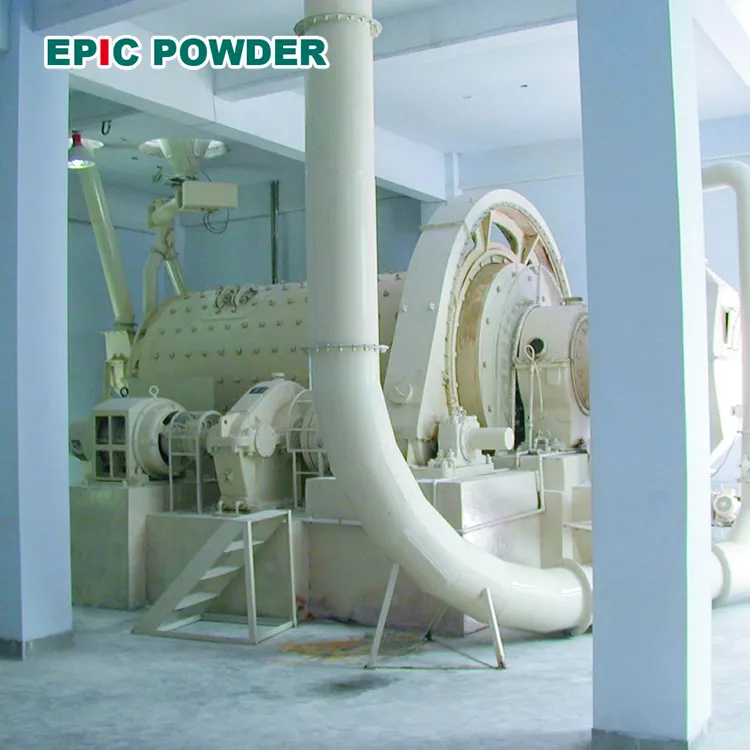
Method 2: การบดด้วยลูกบอล (Media-Based Milling)
As discussed in our previous guides, ball mills use heavy tumbling media. The impact and friction between the balls and the material create a fine powder.
- เหมาะสำหรับ: Mining, cement clinker, and abrasive minerals that require continuous, heavy-duty processing.
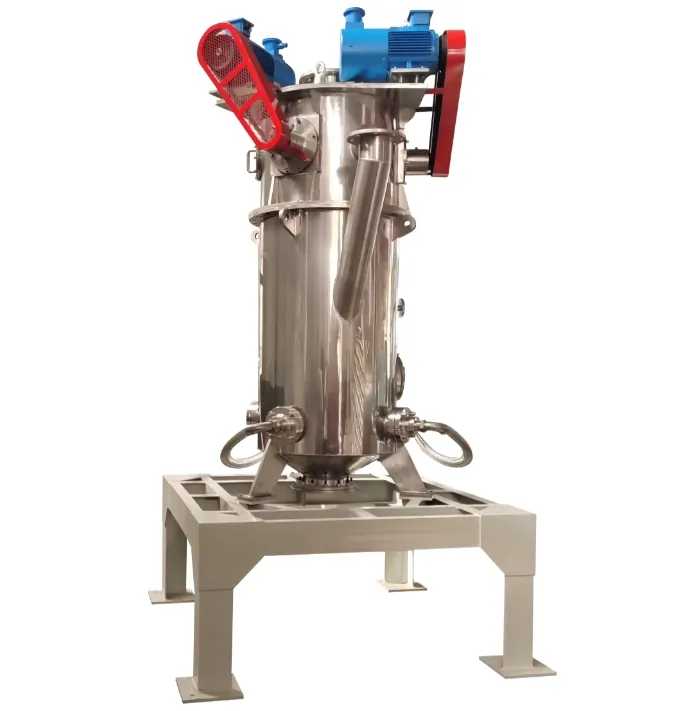
Method 3: เครื่องแยกอากาศ (Mechanical Impact Milling)
This method combines high-speed mechanical impact with an internal air classifier. A rotating disc hits the material, and the air stream carries fine particles to the classifier. The system rejects coarse particles and returns them to the grinding zone.
- เหมาะสำหรับ: Continuous production and precise control over particle size distribution.
Method 4: Roller Milling (Pressure-Based Milling)
Roller mills apply high compression forces. They crush and grind materials between large rollers and a grinding table.
- เหมาะสำหรับ: Large-scale operations like coal processing and soft to medium-hard mineral grinding.
Key Industrial Applications of Pulverization
Pulverization is the silent hero behind thousands of everyday products. Here are the industries that rely on it the most:
- Non-Metallic Minerals: This includes calcium carbonate, talc, barite, and kaolin. Pulverizers turn these minerals into superfine functional fillers for paints, plastics, and paper.
- Advanced Battery Materials: The green energy revolution relies on precise pulverization. Cathode and anode materials, such as Lithium Iron Phosphate (LFP), require exact micron sizes to ensure high conductivity.
- Plant-Based Proteins: In the food industry, dry fractionation uses air classification mills. This process separates protein from starch in peas and beans without using water or chemicals.
- Chemicals and Pharmaceuticals: Active ingredients must have high reactivity and bioavailability. Pulverization increases their surface area to achieve this.
Critical Q&A: Solving Pulverization Dilemmas
To help you master this process, let us address two of the most common challenges in industrial pulverization.
Question 1: How do I choose between a dry pulverization system and a wet pulverization system?
คำตอบ: This decision depends entirely on your material properties and your final product requirements.
You should choose Dry Pulverization if:
- Your material reacts negatively with water or solvents.
- You need the final product as a dry powder. Dry processing avoids the high energy costs of drying the material later. Cement and many industrial minerals use this method.
You should choose Wet Pulverization if:
- You are aiming for extreme sub-micron or nano-scale particles.
- Your material tends to agglomerate (stick together) when dry. Liquid mediums prevent fine particles from sticking together. They also help dissipate heat effectively.
Question 2: How do I prevent heat buildup when processing heat-sensitive materials in mechanical pulverizers?
คำตอบ: High-speed mechanical impact creates a lot of friction. Friction generates heat. This heat can melt, degrade, or ruin sensitive materials like plastics, resins, or plant proteins.
To solve this problem, operators can use three effective strategies:
- Air Cooling Systems: Industrial air classifier mills use a high volume of airflow. This airflow cools the grinding chamber continuously.
- Water-Cooling Jackets: You can install cooling jackets around the grinding chamber. Circulating cold water or glycol removes the generated heat.
- Cryogenic Pulverization: This is the ultimate solution for extreme heat sensitivity. Operators use liquid nitrogen to freeze the material before or during grinding. This keeps the material brittle and protects its chemical integrity.
Conclusion:
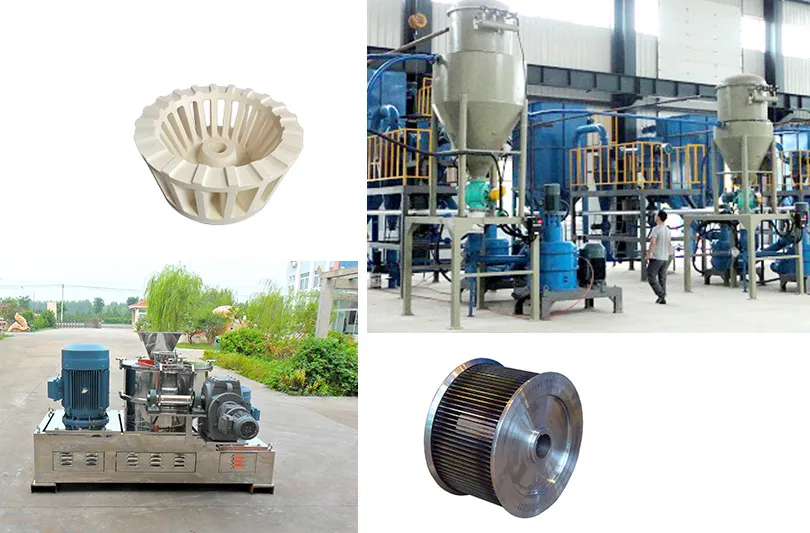
Pulverization is a critical step in modern manufacturing. It dictates the reactivity, strength, and quality of your final product. Choosing the right equipment and grinding method requires expertise. If you want to optimize your production line, you must look at your material properties and target micron sizes carefully. Exploring advanced equipment like ultrafine pulverizers and air classifier mills can help you achieve consistent particle size distribution and energy efficiency.

ขอบคุณที่อ่านนะคะ หวังว่าบทความของฉันจะเป็นประโยชน์นะคะ แสดงความคิดเห็นไว้ด้านล่างได้เลยค่ะ หรือหากมีข้อสงสัยเพิ่มเติม สามารถติดต่อตัวแทนฝ่ายบริการลูกค้าออนไลน์ของ Zelda ได้ค่ะ
— โพสต์โดย เอมิลี่ เฉิน