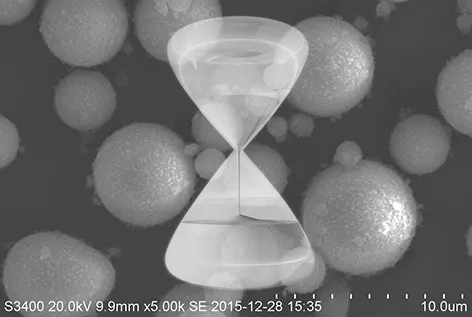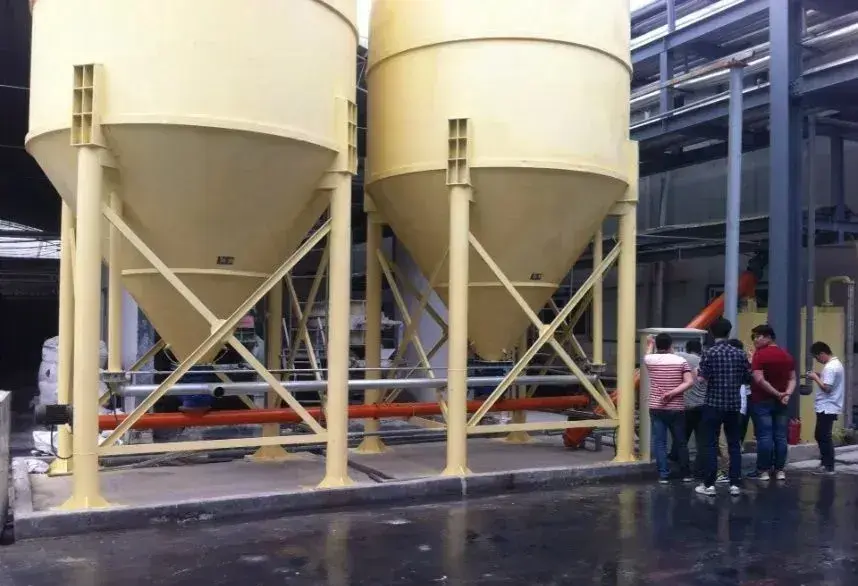
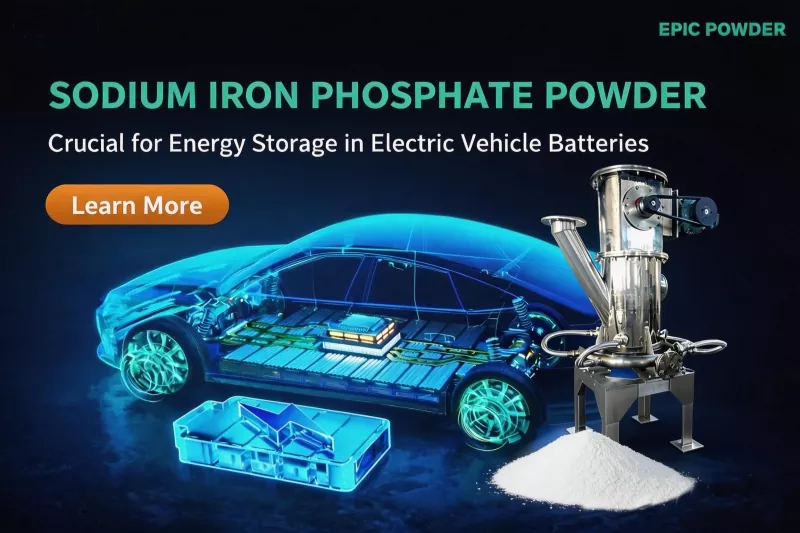
โซเดียมไอรอนฟอสเฟต (NaFePO4) เป็นวัสดุแคโทดที่มีศักยภาพสูงและใช้กันอย่างแพร่หลายในแบตเตอรี่โซเดียมไอออน ด้วยคุณสมบัติเด่นด้านเสถียรภาพทางความร้อนที่ดีเยี่ยม เป็นมิตรต่อสิ่งแวดล้อม และคุ้มค่า โซเดียมไอรอนฟอสเฟตจึงเป็นทางเลือกที่ยั่งยืนแทนวัสดุแบตเตอรี่ลิเธียมแบบดั้งเดิม โครงสร้างโอลิวีนที่เสถียรช่วยให้ประสิทธิภาพการทำงานในรอบการชาร์จ/คายประจุมีความน่าเชื่อถือ ทำให้เป็นตัวเลือกที่เหมาะสมในงานจัดเก็บพลังงาน โดยเฉพาะอย่างยิ่งในกรณีที่ความปลอดภัยและความทนทานเป็นสิ่งสำคัญ
การบดละเอียดพิเศษเป็นกระบวนการเฉพาะที่ลดขนาดอนุภาคของวัสดุให้เหลือระดับไมครอนหรือนาโนเมตร สำหรับโซเดียมไอรอนฟอสเฟต เทคนิคนี้ช่วยเพิ่มพื้นที่ผิวและความสม่ำเสมอของวัสดุ ซึ่งส่งผลโดยตรงต่อคุณสมบัติทางเคมีไฟฟ้า การได้อนุภาคขนาดเล็กมากทำให้เส้นทางการแพร่ของไอออนสั้นลง และจลนศาสตร์ของอิเล็กโทรดดีขึ้นอย่างมาก กระบวนการบดละเอียดนี้มีความสำคัญอย่างยิ่งต่อการเพิ่มประสิทธิภาพของโซเดียมไอรอนฟอสเฟตในแบตเตอรี่โซเดียมไอออนประสิทธิภาพสูง ช่วยให้ชาร์จ/คายประจุได้เร็วขึ้นและมีอายุการใช้งานยาวนานขึ้น
การตอบคำถามทั่วไป
การบดโซเดียมไอรอนฟอสเฟตมีอุปสรรคอะไรบ้าง?
การบดโซเดียมไอรอนฟอสเฟตให้เป็นอนุภาคละเอียดพิเศษนั้นมีความท้าทายอยู่หลายประการ วัสดุนี้ค่อนข้างแข็งและเปราะ ซึ่งอาจทำให้ขนาดอนุภาคไม่สม่ำเสมอและเกิดการปนเปื้อนในระหว่างกระบวนการ การควบคุมความร้อนก็เป็นสิ่งสำคัญเช่นกัน เพราะความร้อนที่มากเกินไปอาจเปลี่ยนแปลงคุณสมบัติทางเคมีของวัสดุ ทำให้ประสิทธิภาพในการใช้งานในแบตเตอรี่ลดลง อีกปัญหาหนึ่งคือการหลีกเลี่ยงการปนเปื้อนของโลหะจากอุปกรณ์บด ซึ่งอาจทำให้ความบริสุทธิ์ของโซเดียมไอรอนฟอสเฟตลดลงและส่งผลต่อประสิทธิภาพของแบตเตอรี่ การทำให้ได้ขนาดอนุภาคละเอียดพิเศษที่สม่ำเสมอโดยไม่ทำลายโครงสร้างผลึกนั้นต้องควบคุมความเร็ว เวลา และสภาพแวดล้อมในการบดอย่างระมัดระวัง
การบดละเอียดพิเศษช่วยเพิ่มประสิทธิภาพของแบตเตอรี่ได้อย่างไร?
การบดโซเดียมไอรอนฟอสเฟตให้ละเอียดมากเป็นพิเศษช่วยเพิ่มประสิทธิภาพของแบตเตอรี่ได้อย่างมาก โดยการเพิ่มพื้นที่ผิวของวัสดุที่ใช้งานอยู่ อนุภาคที่เล็กลงหมายถึงการสัมผัสกับอิเล็กโทรไลต์มากขึ้น ซึ่งช่วยให้ไอออนเคลื่อนที่ได้เร็วและมีประสิทธิภาพมากขึ้นในระหว่างการชาร์จและการคายประจุ ส่งผลให้ประสิทธิภาพการทำงานดีขึ้นและรักษาความจุได้นานขึ้น อนุภาคที่ละเอียดขึ้นยังช่วยปรับปรุงเสถียรภาพของวัสดุ ทำให้แบตเตอรี่มีอายุการใช้งานยาวนานขึ้น โดยรวมแล้ว การบดละเอียดมากเป็นพิเศษทำให้โซเดียมไอรอนฟอสเฟตมีปฏิกิริยามากขึ้นและเหมาะสมกับแบตเตอรี่โซเดียมไอออนประสิทธิภาพสูง การรักษาเงื่อนไขการบดที่เหมาะสมสามารถรับประกันประโยชน์เหล่านี้ได้โดยไม่กระทบต่อความสมบูรณ์ของวัสดุหรือทำให้เกิดการปนเปื้อน ซึ่งเป็นเหตุผลว่าทำไมการเลือกอุปกรณ์ที่เหมาะสม เช่น เครื่องคัดแยกแบบแรงเหวี่ยงเพื่อควบคุมขนาดอนุภาคอย่างแม่นยำ จึงเป็นสิ่งสำคัญ สำหรับข้อมูลเพิ่มเติมเกี่ยวกับการหลีกเลี่ยงการปนเปื้อนในระหว่างการบดละเอียดมากเป็นพิเศษ โปรดตรวจสอบแนวทางปฏิบัติที่ดีที่สุดเกี่ยวกับวิธีการป้องกันการปนเปื้อนของโลหะในระหว่างกระบวนการบดละเอียดมากเป็นพิเศษของขั้วบวก
ข้อดีของการบดละเอียดพิเศษ
ประสิทธิภาพอัตราการคายประจุที่ดีขึ้นในแบตเตอรี่โซเดียมไอออน
การบดโซเดียมไอรอนฟอสเฟตให้ละเอียดมากเป็นพิเศษช่วยเพิ่มประสิทธิภาพการทำงานของแบตเตอรี่โซเดียมไอออนได้อย่างมาก การลดขนาดอนุภาคให้ละเอียดมากเป็นพิเศษทำให้วัสดุนี้มีคุณสมบัติดังต่อไปนี้:
- การแพร่กระจายของไอออนและการถ่ายโอนอิเล็กตรอนที่เร็วขึ้น
- เพิ่มพื้นที่ผิวสำหรับการเกิดปฏิกิริยาทางเคมีไฟฟ้า
- เพิ่มประสิทธิภาพการสัมผัสระหว่างวัสดุออกฤทธิ์และอิเล็กโทรไลต์
นั่นหมายความว่าแบตเตอรี่จะชาร์จและคายประจุได้เร็วขึ้นโดยไม่สูญเสียประสิทธิภาพ อนุภาคขนาดเล็กช่วยให้แบตเตอรี่รองรับกระแสไฟฟ้าได้สูงขึ้น ทำให้เหมาะสำหรับแอปพลิเคชันที่ต้องการการจ่ายพลังงานอย่างรวดเร็ว
เพิ่มประสิทธิภาพการตอบสนองและความเสถียรของวัสดุ
นอกเหนือจากประสิทธิภาพที่เร็วขึ้นแล้ว การบดละเอียดเป็นพิเศษยังช่วยเพิ่มปฏิกิริยาและความเสถียรของโซเดียมเหล็กฟอสเฟต ซึ่งเป็นกุญแจสำคัญสำหรับการใช้งานแบตเตอรี่ในระยะยาว ประโยชน์ที่ได้รับ ได้แก่:
| ผลประโยชน์ | คำอธิบาย |
|---|---|
| ปฏิกิริยาทางเคมีที่สูงขึ้น | อนุภาคขนาดเล็กมากจะทำปฏิกิริยากับไอออนโซเดียมได้สม่ำเสมอและรวดเร็วกว่า |
| โครงสร้างผลึกที่เสถียร | การเจียรแต่งสามารถช่วยรักษาความสมบูรณ์ของโครงสร้างระหว่างการใช้งาน ทำให้มีอายุการใช้งานยาวนานขึ้น |
| การนำไฟฟ้าที่ดีขึ้น | เม็ดอนุภาคที่ละเอียดกว่าจะช่วยลดความต้านทานภายในอิเล็กโทรด |
ความสมดุลระหว่างกิจกรรมทางเคมีที่ได้รับการปรับปรุงกับความเสถียรของโครงสร้างนี้ ช่วยให้แบตเตอรี่โซเดียมไอออนรักษาประสิทธิภาพสูงได้ตลอดวงจรการชาร์จและการคายประจุหลายรอบ สำหรับการจ่ายไฟจากแบตเตอรี่ที่สม่ำเสมอและเชื่อถือได้ การบดละเอียดเป็นพิเศษถือเป็นการเปลี่ยนแปลงครั้งสำคัญ
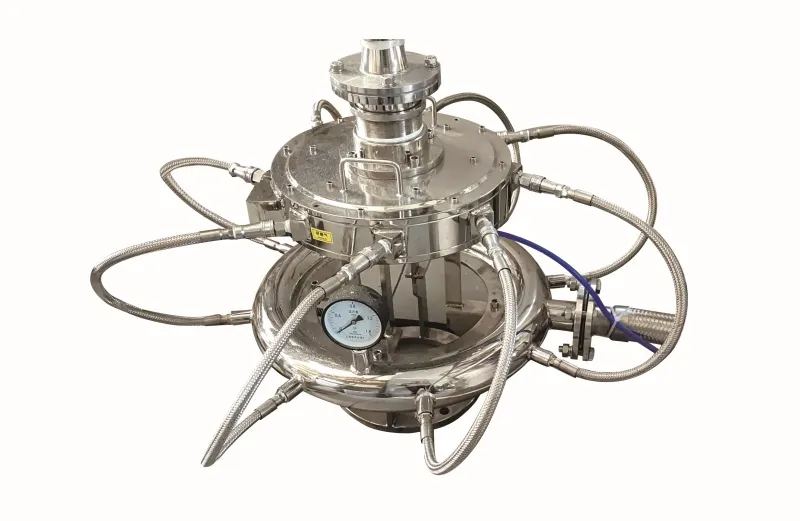
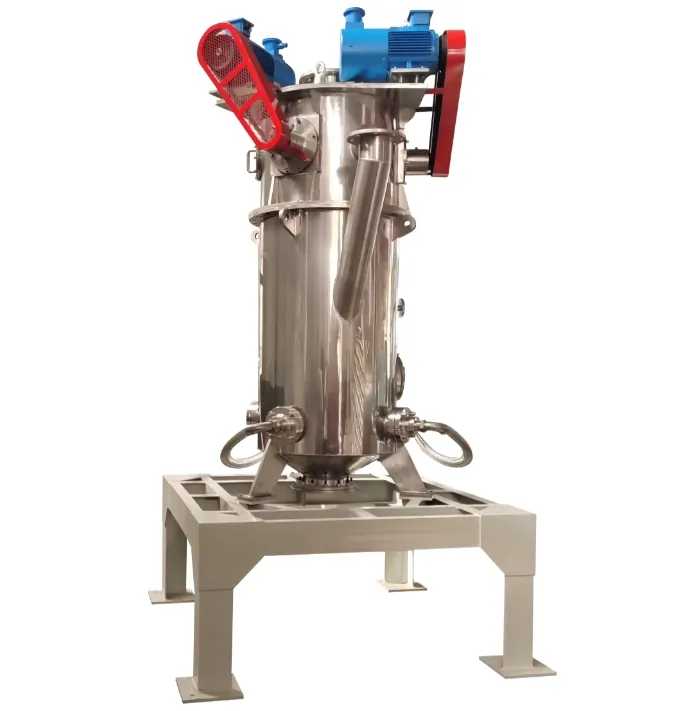
เพื่อให้ได้ผลลัพธ์ที่ดีที่สุด ควรพิจารณาใช้อุปกรณ์เฉพาะทาง เช่น เครื่องบดเจ็ทเกลียว ออกแบบมาเพื่อการแปรรูปผงละเอียดพิเศษ ช่วยให้ควบคุมขนาดอนุภาคได้อย่างแม่นยำ
ขั้นตอนการบดละเอียดพิเศษทีละขั้นตอน
การเตรียมวัสดุโซเดียมไอรอนฟอสเฟต
ขั้นตอนแรกในการบดโซเดียมไอรอนฟอสเฟตให้ละเอียดมากเป็นพิเศษนั้นเกี่ยวข้องกับการเตรียมวัตถุดิบอย่างระมัดระวัง ซึ่งรวมถึงการทำให้วัตถุดิบแห้งเพื่อขจัดความชื้น การตรวจสอบให้แน่ใจว่าขนาดอนุภาคสม่ำเสมอก่อนการบด และบางครั้งอาจต้องบดเบื้องต้นเพื่อสลายก้อนใหญ่ๆ การเตรียมการที่เหมาะสมจะช่วยให้ได้ผงละเอียดพิเศษที่มีความสม่ำเสมอ ซึ่งเป็นสิ่งสำคัญอย่างยิ่งในการเพิ่มประสิทธิภาพของแบตเตอรี่
การเลือกอุปกรณ์บดละเอียดพิเศษที่เหมาะสม
การเลือกอุปกรณ์บดที่เหมาะสมเป็นสิ่งสำคัญอย่างยิ่งต่อการได้ขนาดอนุภาคและคุณภาพที่ต้องการ สำหรับโซเดียมไอรอนฟอสเฟต แนะนำให้ใช้เครื่องจักรที่สามารถควบคุมขนาดอนุภาคได้อย่างแม่นยำ เช่น เครื่องบดเจ็ทขั้นสูง หรือเครื่องบดละเอียดพิเศษ เครื่องจักรเหล่านี้ช่วยลดการปนเปื้อนให้น้อยที่สุด ในขณะที่ผลิตอนุภาคขนาดนาโนที่มีความสม่ำเสมอ คุณสามารถศึกษาตัวเลือกต่างๆ ในอุปกรณ์บดละเอียดพิเศษได้โดยละเอียด เพื่อให้ตรงกับความต้องการของวัสดุของคุณอย่างมีประสิทธิภาพ
ขั้นตอนการเจียรโดยละเอียด
กระบวนการบดจริงควรได้รับการควบคุมอย่างระมัดระวังเพื่อป้องกันความร้อนสูงเกินไปหรือการสึกหรอมากเกินไป โซเดียมไอรอนฟอสเฟตจะถูกป้อนเข้าไปในเครื่องบด ซึ่งจะได้รับการกระแทกหรือพ่นด้วยกระแสลมซ้ำๆ เพื่อลดขนาดอนุภาคอย่างต่อเนื่อง พารามิเตอร์ต่างๆ เช่น อัตราการป้อน เวลาในการบด และการไหลของอากาศ ต้องได้รับการปรับให้เหมาะสมเพื่อให้ได้อนุภาคละเอียดมาก โดยทั่วไปจะมีขนาดต่ำกว่า 1 ไมครอน การตรวจสอบอย่างต่อเนื่องในระหว่างการบดจะช่วยรักษาความสม่ำเสมอและทำให้ได้การกระจายขนาดอนุภาคตามเป้าหมาย
การบำบัดหลังการบดและการควบคุมคุณภาพ
หลังจากบดแล้ว ผงที่ได้มักต้องผ่านกระบวนการเพิ่มเติม เช่น การร่อนหรือการคัดแยกขนาดอนุภาค การตรวจสอบคุณภาพมีความสำคัญอย่างยิ่งในการยืนยันความสม่ำเสมอของอนุภาค ลักษณะพื้นผิว และความบริสุทธิ์ เทคนิคการวิเคราะห์ เช่น การเลี้ยวเบนของแสงเลเซอร์และกล้องจุลทรรศน์อิเล็กตรอนช่วยตรวจสอบการกระจายขนาดอนุภาคละเอียดพิเศษ การบำบัดและการประเมินคุณภาพที่เหมาะสมช่วยให้มั่นใจได้ว่าโซเดียมเหล็กฟอสเฟตมีคุณสมบัติตรงตามข้อกำหนดด้านประสิทธิภาพสำหรับแบตเตอรี่โซเดียมไอออนคุณภาพสูง
สำหรับรายละเอียดเพิ่มเติมเกี่ยวกับการควบคุมการกระจายขนาดอนุภาคในระหว่างการบดละเอียดพิเศษ โปรดดูข้อมูลเชิงลึกเกี่ยวกับ เครื่องบดละเอียดพิเศษที่ควบคุมการกระจายขนาดอนุภาคได้อย่างแม่นยำ.
ผลลัพธ์เชิงปฏิบัติของการบดละเอียดพิเศษ
การกระจายขนาดอนุภาคที่ดีขึ้น
การบดโซเดียมไอรอนฟอสเฟตให้ละเอียดมากเป็นพิเศษส่งผลให้ได้อนุภาคที่มีขนาดละเอียดและสม่ำเสมอยิ่งขึ้น ความสม่ำเสมอนี้ช่วยปรับปรุงความหนาแน่นในการบรรจุและการสัมผัสระหว่างอนุภาค ซึ่งเป็นสิ่งสำคัญสำหรับประสิทธิภาพที่สม่ำเสมอในแบตเตอรี่ อนุภาคขนาดเล็กที่มีขนาดเท่ากันช่วยป้องกันการจับตัวเป็นก้อน ทำให้สารละลายอิเล็กโทรไลต์แทรกซึมได้ดีขึ้นและมีพื้นที่ผิวใช้งานมากขึ้นในระหว่างการทำงานของแบตเตอรี่
ประสิทธิภาพทางไฟฟ้าเคมีที่ได้รับการปรับปรุง
ด้วยการลดขนาดอนุภาคผ่านการบดละเอียดเป็นพิเศษ โซเดียมไอรอนฟอสเฟตจึงมีอัตราการแพร่กระจายของไอออนที่เร็วขึ้นและมีค่าการนำไฟฟ้าที่ดีขึ้น การเปลี่ยนแปลงเหล่านี้ส่งผลให้มีอัตราการชาร์จและการคายประจุที่ดีขึ้น การรักษาความจุที่สูงขึ้น และความต้านทานภายในลดลง คุณสมบัติทางเคมีไฟฟ้าที่ดีขึ้นนี้ส่งผลโดยตรงต่อแบตเตอรี่โซเดียมไอออนที่มีประสิทธิภาพและเชื่อถือได้มากขึ้น ซึ่งตอบสนองความต้องการของระบบจัดเก็บพลังงานสมัยใหม่
อายุการใช้งานแบตเตอรี่ที่ยาวนานขึ้น
ข้อดีที่สำคัญอย่างหนึ่งของการบดละเอียดมากคือบทบาทในการยืดอายุการใช้งานของแบตเตอรี่ อนุภาคที่ละเอียดกว่าจะช่วยลดความเครียดทางกลและการเสื่อมสภาพระหว่างรอบการชาร์จซ้ำๆ ทำให้โครงสร้างของอิเล็กโทรดคงสภาพได้นานขึ้น ความเสถียรนี้ช่วยให้แบตเตอรี่มีประสิทธิภาพการทำงานที่สม่ำเสมอ โดยเฉพาะอย่างยิ่งสำหรับการใช้งานที่ต้องการความน่าเชื่อถือในระยะยาว สำหรับข้อมูลเพิ่มเติมเกี่ยวกับหลักการเบื้องหลังเทคนิคการบดละเอียดมากที่สนับสนุนการปรับปรุงดังกล่าว คุณสามารถศึกษาข้อมูลเชิงลึกโดยละเอียดได้ที่ [แหล่งข้อมูลเพิ่มเติม] หลักการของเทคโนโลยีการบดละเอียดพิเศษ.

ขอบคุณที่อ่านนะคะ หวังว่าบทความของฉันจะเป็นประโยชน์นะคะ แสดงความคิดเห็นไว้ด้านล่างได้เลยค่ะ หรือหากมีข้อสงสัยเพิ่มเติม สามารถติดต่อตัวแทนฝ่ายบริการลูกค้าออนไลน์ของ Zelda ได้ค่ะ
— โพสต์โดย เอมิลี่ เฉิน