올바른 것을 선택하세요 미세 분말 분쇄기 (초미세 분쇄기, 미세 분말 분쇄기 등의 장비 선택은 특히 목표 미세도가 수 마이크론, 서브마이크론 또는 나노미터 수준(D50 < 2 μm 또는 D97 < 10 μm)에 달할 때 매우 중요합니다. 일반적인 적용 분야로는 난연제(수산화알루미늄/수산화마그네슘), GCC/PCC 탄산칼슘, 활석, 실리카 분말, 세라믹, 배터리 소재, 의약품, 안료 등이 있습니다. 부적절한 장비를 선택하면 에너지 소비 증가, 입자 크기 분포 확대, 미세 분말 수율 저하, 장비 마모 가속화 등의 문제가 발생할 수 있습니다.
다음은 가장 최근에 정리된 체계적인 선정 가이드입니다.
목표 입자 크기 및 분포를 정의하십시오.
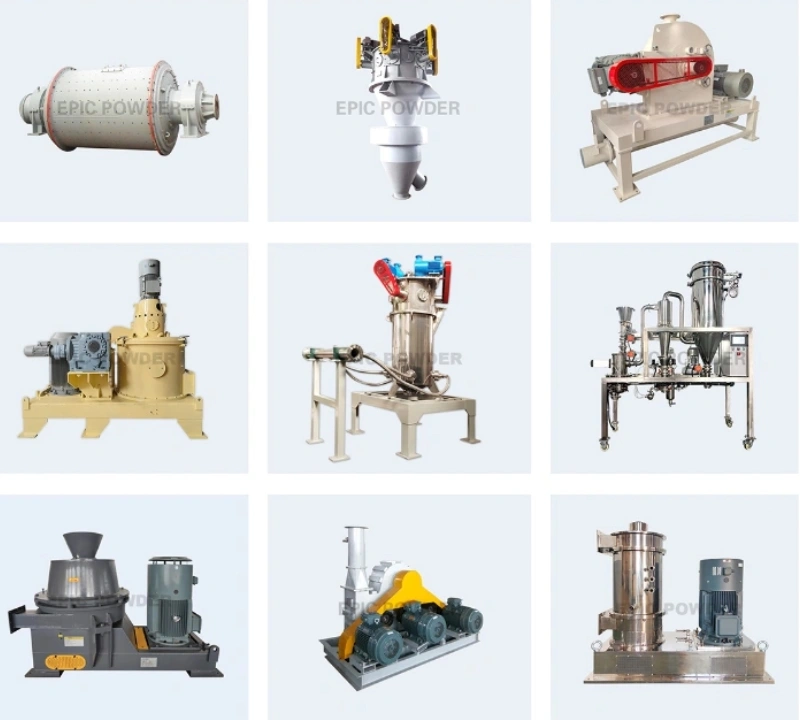
D97 20–45 μm:
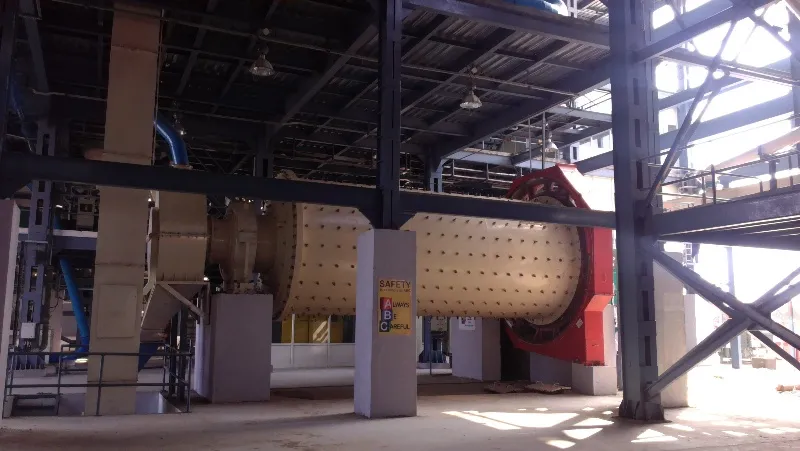
- 볼밀 + 공기분류기
- 임팩트 밀, 핀 밀
D97 5–20 μm:
- 공기 분류기 밀(ACM)
- 고효율 기계식 분쇄기
D97 < 5 μm (초미세 수준):
- 제트밀 (유동층, 대향 제트)
- 고정밀 분류 시스템
서브마이크론/나노 수준:
- 증기 제트 밀
- 멀티로터 정밀 분류기
- 습식 교반식 미디어 밀 (습식 분쇄가 허용되는 경우)
건식 분쇄 vs. 습식 분쇄
| 범주 | 건식 공정(제트 밀, ACM, 고속 충격 밀) | 습식 공정(비드 밀, 샌드 밀) |
|---|---|---|
| 최소 입자 크기 | 일반적으로 D50 ≥ 0.8–1 μm | 80~300nm에 도달할 수 있습니다. |
| 입자 형태학 | 불규칙적이지만 결정 구조가 잘 보존되어 있습니다. | 더욱 둥글고 표면 활성이 높음 |
| 오염 | 거의 없음 (세라믹 라이닝 사용 가능) | 분쇄 매체로 인한 오염 가능성 |
| 습기/열에 민감한 소재 | 적합한 | (용매 시스템이 아닌 경우) 적합하지 않음 |
| 후처리 | 직접 포장 | 건조 및 탈응집 과정이 필요합니다. |
| 일반적인 재료 | ATH, MH, CaCO₃, 활석, 실리카 흄 | 고급 ATH, 배터리 소재, 안료 |
생산능력 요구사항
- 실험실/파일럿 규모: 1~50kg/h → 실험실용 제트 밀 또는 소형 비드 밀.
- 중규모: 100~800kg/h → 300~750mm 제트 밀 또는 30~100L 비드 밀.
- 대판: >1톤/시간 → 여러 대의 대형 제트 밀을 병렬로 연결하거나 200~500리터 용량의 순환식 비드 밀을 사용합니다.
에너지 소비량 및 운영 비용:
- 제트 밀: 500~1200 kWh/t (경도 및 세립도가 높아질수록 급격히 증가함)
- ACM 기계식 분쇄기: 80~250kWh/t
- 습식 비드 밀: 100~400kWh/t (건조 에너지 별도)
재료의 경도 및 마모성
| 모스 경도 | 권장 장비 |
|---|---|
| < 3 | 거의 모든 제분소 |
| 3~5세 | ACM, 제트 밀 |
| 5~7세 | 유동층 제트 밀 + 세라믹 라이닝 |
| > 7 | 제트 밀만 사용하거나 지르코니아 비드를 사용한 습식 분쇄만 가능합니다. |
순도 요구사항
오염 및 금속 불순물에 민감한 산업 분야:
전자제품, 리튬이온 배터리 소재, 반도체 충전재
→ 제트 밀 또는 세라믹 라이닝 기계식 밀
플라스틱, 코팅제, 페인트
→ 공기 분류 밀 또는 볼 밀 시스템
식품, 의약품
→ 스테인리스강 재질, GMP 기준에 맞춰 설계된 장비
금속 오염에 매우 민감한 경우 다음을 선택하십시오.
- 세라믹 부품
- 폴리머 또는 세라믹 코팅 분류 휠
- 비접촉식 분쇄기(제트 밀)
비교해야 할 주요 기술 매개변수
- 분류기 휠 속도 및 정밀도(D97을 결정함)
- 분쇄 압력/공기 흐름(제트 밀)
- 매체 크기 및 충전 비율(습식 분쇄)
- 라이너 재질: 폴리우레탄, 알루미나, 지르코니아, 탄화규소
- 냉각 시스템의 효율성
2026년 추천 주류 장비 모델
| 목표 정밀도 | 권장 장비 |
|---|---|
| D50 1–3 μm (건조) | 유동층 제트 밀 |
| D50 0.8–2 μm (건조) | 고정밀 ACM + 공기 분류기 |
| D50 0.5–1.5 μm (습윤 상태) | 수평형 비드 밀 + 플래시 드라이어 |
| 서브마이크론(습식) | 대용량 비드 밀 (0.1~0.3mm 비드) |
결론
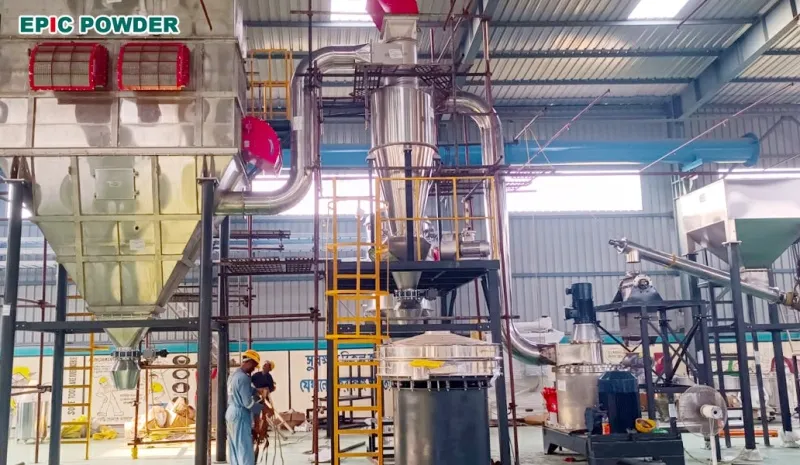
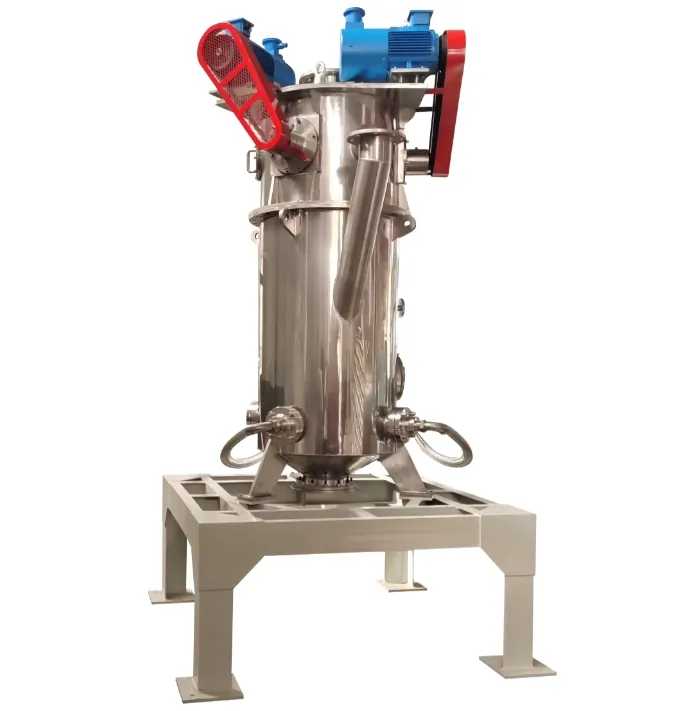
최적의 초미세 분말 분쇄기를 선택하려면 재료 특성, 목표 입자 크기, 생산 규모, 순도 기준 및 장기 운영 비용에 대한 명확한 이해가 필요합니다. 초미세 분쇄, 분류 및 분말 공학 분야에서 수십 년간 축적된 전문 지식을 바탕으로, 에픽 파우더 에픽 파우더(Epic Powder)는 제트 밀, 공기 분류기 밀, 볼 밀-분류기 시스템, 첨단 습식 분쇄 라인 등 건식 및 습식 미세 분쇄 기술 전반에 걸친 맞춤형 솔루션을 제공합니다. 정밀한 입자 크기 제어, 저오염 설계, 고효율 분류 시스템을 통합하여 안정적인 생산, 일관된 제품 품질, 그리고 공정 효율성의 획기적인 향상을 보장합니다. 수산화알루미늄, 탄산칼슘, 실리카, 배터리 소재 또는 고순도 산업용 분말 등 어떤 소재를 가공하든, 에픽 파우더는 신뢰할 수 있고 확장 가능하며 비용 효율적인 초미세 분쇄 성능을 달성할 수 있도록 지원하는 장비 및 턴키 솔루션을 제공합니다.

읽어주셔서 감사합니다. 제 글이 도움이 되셨으면 좋겠습니다. 아래에 댓글을 남겨주세요. 추가 문의 사항은 젤다 온라인 고객 담당자에게 연락하실 수도 있습니다.
— 게시자 에밀리 첸