















Lithium battery performance encounter difficulties?

The goal of the lithium battery industry is to develop batteries with stronger functions, greater capacity, longer life, shorter charging times, and lighter weight. Lithium-ion batteries usually consist of a negative electrode (anode), a positive electrode (cathode) and a membrane. Lithium compounds used in lithium batteries have specific particle size distribution requirements, and the use of ultra-fine lithium powder can improve battery performance, including higher available capacity, longer service life, faster charging rate, higher efficiency, consistent discharge rate, and reduced size and weight.

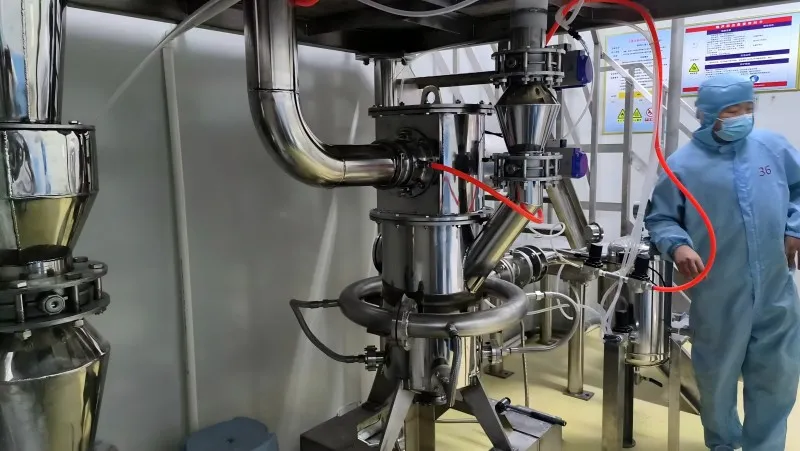
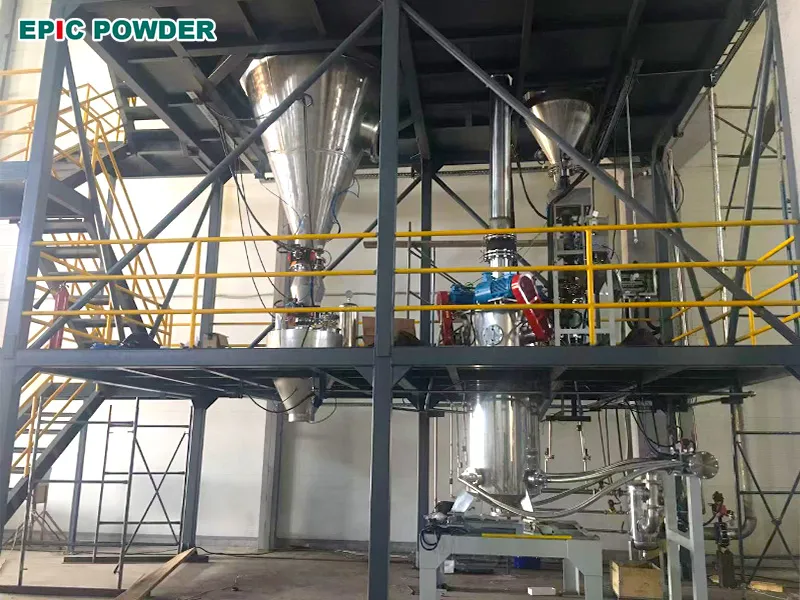
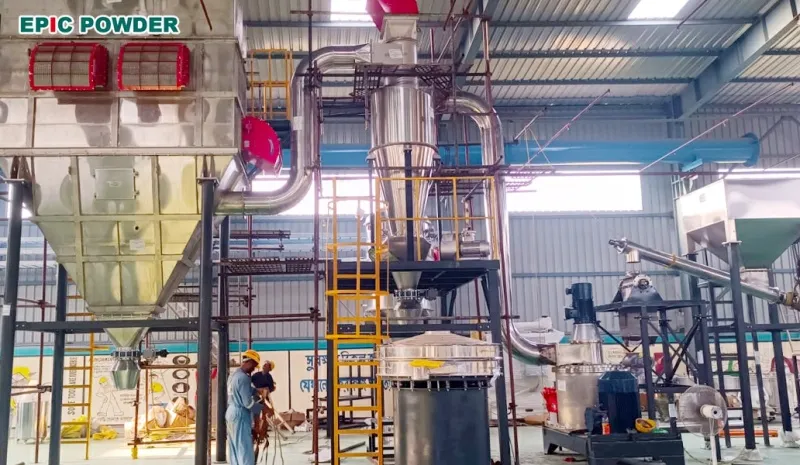
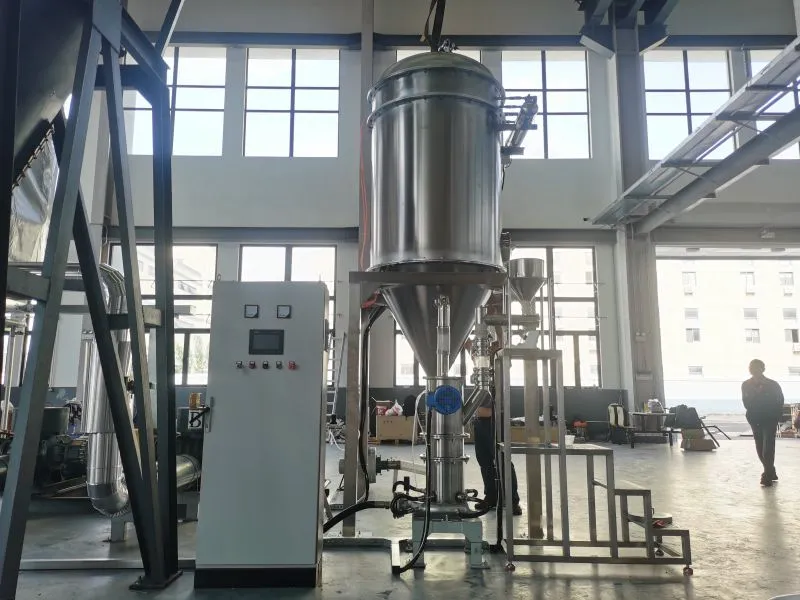
In addition to the mechanical and thermal resistance of the membrane, the key factors affecting the quality and safety of the battery also include chemical composition, the shape and particle size distribution of the active material, and the homogeneity of the battery. After continuous research and development, ALPA has a set of perfect lithium battery anode and cathode material processing scheme and equipment, which can meet the complex process requirements, including dust-free feeding, magnetic separation, ultra-fine grinding, classification, powder transport, metering packaging, automatic batching, intelligent control and other powder process integrated design.
Typical materials of cathode materials for lithium-ion batteries

  • LCO(Lithium Cobalt Oxide,LiCoO2
  • NCA(Lithium Nickel Cobalt Aluminum Oxide,LiNiCoAlO2
  • NMC(Lithium Nickel Manganese Cobalt Oxide,Li [NiCoMn] O2
  • LMO(Lithium Manganese Oxide,LiMn2O4
  • LFP(Lithium Iron Phosphate,LiFePO4
  • Lithium Carbonate(Li2CO3
  • Lithium Hydroxide(LiOH)

Introduction of anode materials for lithium-ion batteries

  • LCO(Lithium Cobalt Oxide,LiCoO2
  • NCA(Lithium Nickel Cobalt Aluminum Oxide,LiNiCoAlO2
  • NMC(Lithium Nickel Manganese Cobalt Oxide,Li [NiCoMn] O2
  • LMO(Lithium Manganese Oxide,LiMn2O4
  • LFP(Lithium Iron Phosphate,LiFePO4
  • Lithium Carbonate(Li2CO3
  • Lithium Hydroxide(LiOH)

Collaborating Clients

Project Cases

Air Classifier Mill Coffee Grounds Ultrafine Grinding Production Line
With the rise of the circular economy, a biomass materials company in Turkey sought to transform waste coffee grounds into high-value industrial raw materials. Post-drying, ...
Read More →
Graphite-grinding jet-mill
Project Background A well-known graphite supplier in the United States aimed to expand its production capacity for lithium battery anode materials. The core requirement of ...
Read More →
Air jet mill for Alumina ultrafine grinding
Customer BackgroundThe customer is a leading Australian supplier of advanced ceramics and thermal conductivity materials. Alumina Ultrafine Grinding is critical for this application, as the ...
Read More →
PEEK jet mill production line 1
A well-known Belgian manufacturer of specialty engineering plastics focuses on the R&D and production of high-performance polymers. One of its core products, polyether ether ketone ...
Read More →

Related Posts

Ultrafine grinding of sodium iron phosphate
Sodium iron phosphate (NaFePO4) is a promising cathode material widely used in sodium-ion batteries. Known for its excellent thermal stability, environmental friendliness, and cost-effectiveness, sodium ...
Read More →
Sodium Battery in Electric Vehicles
Core Advantages: Why Sodium Wins on the Balance Sheet – Cost Structure Economics Sodium-ion batteries (SIBs) offer a compelling cost advantage that directly improves the ...
Read More →
Epic Jet Mill MQW
In lithium-ion battery production, the anode ultrafine milling process is a critical step, particularly for natural or artificial graphite anodes (and increasingly for silicon-based or ...
Read More →
microstructure of lithium saponite
Have you ever wondered why premium paints don’t drip when applied to walls? Why high-quality toothpaste holds its shape firmly on the brush without collapsing? ...
Read More →
micron-size synthetic graphite
I. Introduction: The “Purity War” in Semiconductor Materials Defining the 5N Standard: Why 99.999% Purity Matters In the semiconductor industry, purity is paramount. The “5N” ...
Read More →
Air jet mill for Alumina ultrafine grinding
Achieving perfect particle size in superfine alumina grinding is a technical challenge that demands precision beyond raw power. When targeting a steep particle size distribution ...
Read More →

We can provide processes and equipment that meet the following performance indicators

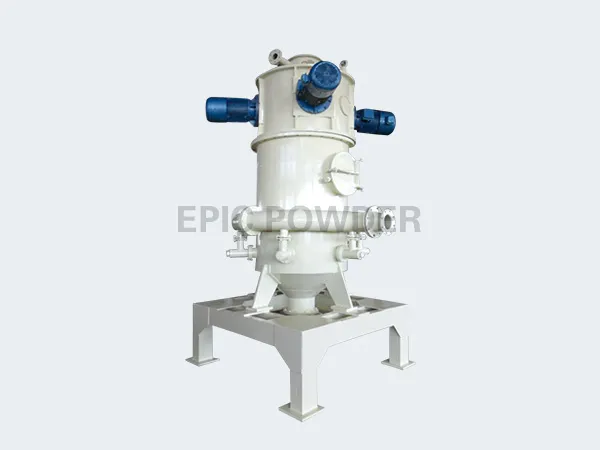
Fluidized Bed Opposed Air Jet Mil MQW240

Jet Mill

Suitable for grinding materials with high hardness, high purity and high added value.

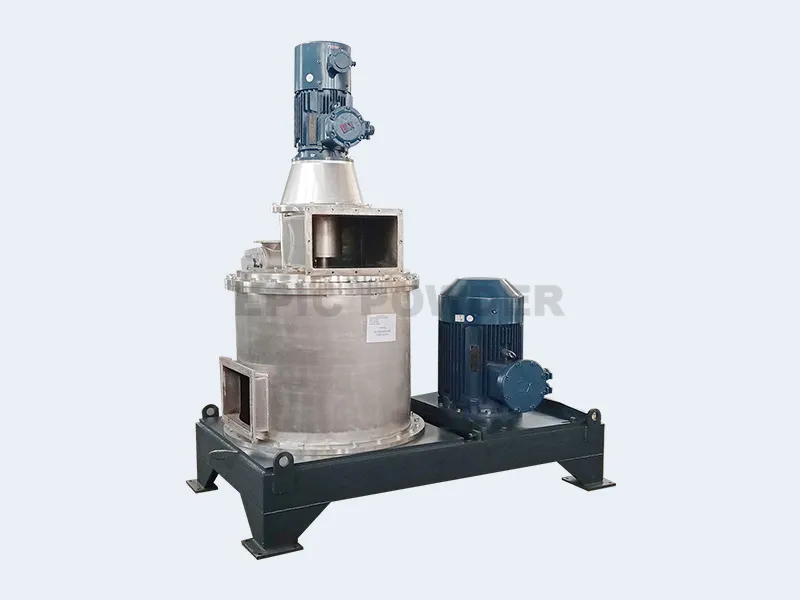
Air Classifying Mill

Integration of grinding and classifying

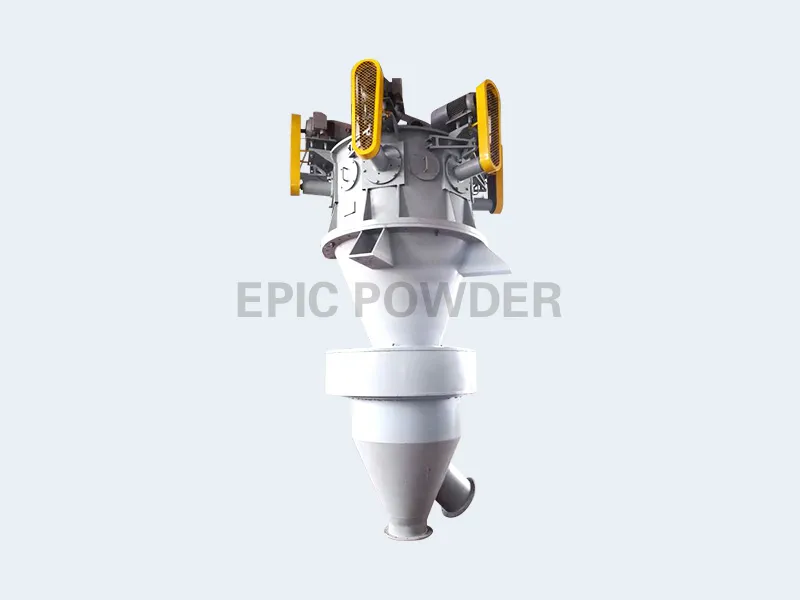
Air Classifier HTS

Air Classifier

Realize the separation of particles of different sizes

  • Available particle size D50:3~45μm.
  • Full ceramic protection, increased amount of metal <20ppb
  • Complete Closed-loop grinding system, moisture increase <100ppm
  • Hourly output of a single device can be more than 1000kg(1)
  • The linear speed of ceramic grinding disc and classifying wheel can reach 100m/s
  • Impact mill can directly replace jet mill to produce, single crystal NCM materials, saving 30%(2) of energy consumption.

Send Us A Message

    Please prove you are human by selecting the house

    PHONE

    +86 15762272120 Mon to Fri 08:00 am – 6:00 pm

    LOCATION

    NO. 369, Road S209, Huanxiu, Qingdao City, 266201, Shandong Province, CHINA

    Scroll to Top