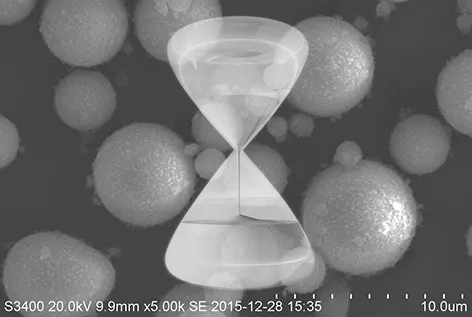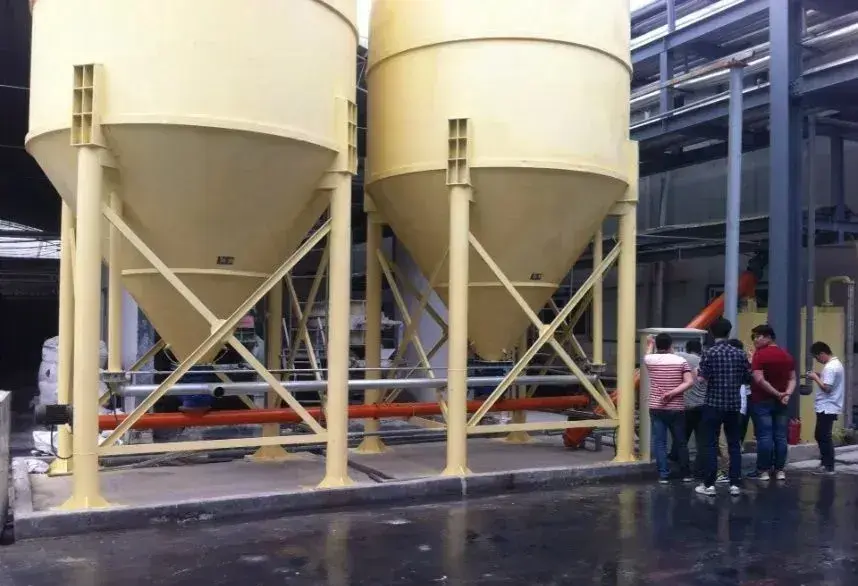
আধুনিক শিল্পে, অধাতব খনিজ পদার্থ (যেমন ক্যালসিয়াম কার্বনেট, কোয়ার্টজ, ট্যাল্ক, কওলিন এবং ব্যারিট) এখন আর কেবল “পূরক” হিসেবে ব্যবহৃত হয় না। বরং, এগুলি ক্রমান্বয়ে “কার্যকরী যৌগিক পদার্থ”-এ রূপান্তরিত হয়েছে, যা প্লাস্টিক, কাগজ তৈরি, আবরণ, রাবার এবং নতুন শক্তির ব্যাটারির উপকরণের মতো উচ্চ-স্তরের শিল্পে ব্যবহৃত হয়। খনিজ পদার্থের সংযোজিত মূল্য মূলত তাদের কণার আকার, কণার আকার বন্টন (PSD), কণার গঠন এবং বিশুদ্ধতার উপর নির্ভর করে।
প্রাকৃতিক আকরিক প্রক্রিয়াজাত করতে অতি-সূক্ষ্ম পাউডার ≤১০ মাইক্রোমিটার বা এমনকি সাব-মাইক্রন কণার D97 মানের জন্য উন্নত খনিজ প্রক্রিয়াকরণে উচ্চ-ক্ষমতাসম্পন্ন অতিসূক্ষ্ম গ্রাইন্ডার প্রয়োজন। অতিসূক্ষ্ম গ্রাইন্ডার হলো সমগ্র উৎপাদন প্রক্রিয়ার মূল সরঞ্জাম। আধুনিক খনিজ প্রক্রিয়াকরণ এর পেষণ দক্ষতা, সূক্ষ্মতা নিয়ন্ত্রণ এবং স্থিতিশীলতার উপর অত্যন্ত কঠোর চাহিদা আরোপ করে। বর্তমানে, বাজারে অনেক ধরনের পেষণ সরঞ্জাম পাওয়া যায়। খনি কোম্পানিগুলোকে অবশ্যই উপাদানের বৈশিষ্ট্য এবং উৎপাদন ক্ষমতার প্রয়োজনীয়তার উপর ভিত্তি করে সরঞ্জাম নির্বাচন করতে হবে। এই নিবন্ধটি একটি বিশদ নির্বাচন নির্দেশিকা প্রদান করে। এতে চারটি মূল দিক অন্তর্ভুক্ত রয়েছে: উপাদানের বৈশিষ্ট্য বিশ্লেষণ, প্রধান সরঞ্জামগুলোর তুলনা, মূল নির্বাচনের মানদণ্ড এবং সিস্টেম ইঞ্জিনিয়ারিং ডিজাইন।
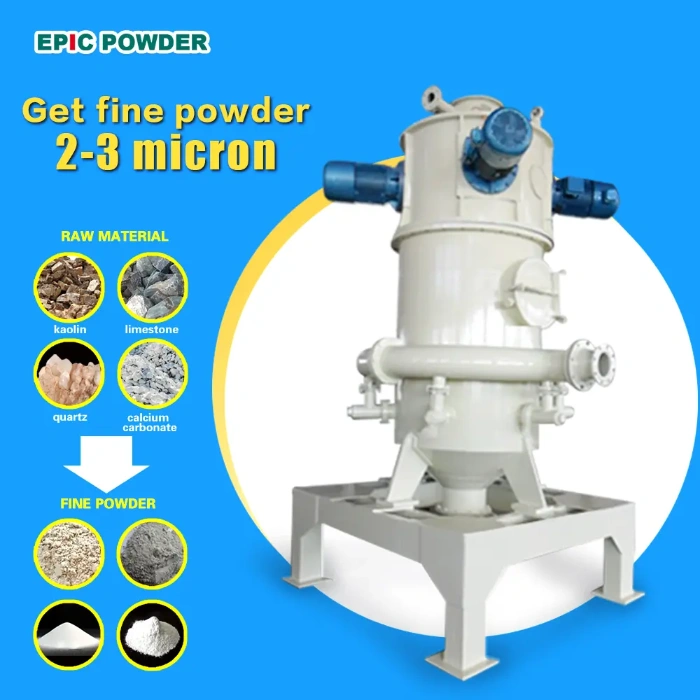
আপনার "প্রক্রিয়াকরণ উপাদান" পুঙ্খানুপুঙ্খভাবে বিশ্লেষণ করুন
যেকোনো অতিসূক্ষ্ম গ্রাইন্ডার বাছাই করার ক্ষেত্রে সবচেয়ে বড় ভুল হলো কেবল অন্যের অভিজ্ঞতার ওপর নির্ভর করা। যেহেতু প্রতিটি খনিজের ভৌত ও রাসায়নিক বৈশিষ্ট্য সম্পূর্ণ ভিন্ন, তাই বাছাই প্রক্রিয়াটি অবশ্যই নির্দিষ্ট উপাদানের জন্য বিশেষভাবে তৈরি করতে হবে।
মোহস কাঠিন্য এবং ঘর্ষণশীলতা
কোনো উপাদানের কাঠিন্য গ্রাইন্ডিং প্রক্রিয়ার পথ নির্ধারণের একটি মূল নিয়ামক।
কম কাঠিন্যের খনিজ পদার্থ (মোহস কাঠিন্য < ৩): যেমন ট্যালক, জিপসাম, কওলিন এবং ক্যালসাইট। এই পদার্থগুলো তুলনামূলকভাবে ভঙ্গুর, এবং যান্ত্রিক আঘাত-ধরণের অতিসূক্ষ্ম গ্রাইন্ডার (যেমন বায়ু-শ্রেণীকরণ মিলচমৎকার ব্যয়-সাশ্রয়ীতার সাথে অতি সূক্ষ্ম পেষণ অর্জনের জন্য নির্বাচন করা যেতে পারে।
মাঝারি থেকে উচ্চ কাঠিন্যের খনিজ পদার্থ (মোহস কাঠিন্য ≥ ৫): যেমন কোয়ার্টজ, সিলিকা, জিরকন বালি, ফেল্ডস্পার, ইত্যাদি। এই পদার্থগুলোর ঘর্ষণ ক্ষমতা অত্যন্ত বেশি। যদি একটি উচ্চ-গতির যান্ত্রিক ইমপ্যাক্ট মিল ভুলভাবে নির্বাচন করা হয়, তবে এর ফলে কয়েক দিনের মধ্যেই রোটর এবং লাইনারে মারাত্মক ক্ষয়ক্ষতি হবে। এতে শুধু যে লোহার দূষণ মান অতিক্রম করবে তাই নয়, রক্ষণাবেক্ষণের খরচও মুনাফা গ্রাসকারী এক কৃষ্ণগহ্বরে পরিণত হবে। এই পদার্থগুলোর জন্য জেট মিল অথবা বল মিল + ক্লাসিফায়ার প্রোডাকশন লাইনই সবচেয়ে উপযুক্ত।
সমাপ্ত পণ্যের কণার আকারের স্পেসিফিকেশন
উন্নত খনিজ প্রক্রিয়াকরণে, চূড়ান্ত পণ্যের প্রয়োজনীয়তা সঠিকভাবে বর্ণনা করার জন্য প্রচলিত “মেশ সাইজ” আর যথেষ্ট নয়। এর পরিবর্তে, লেজার পার্টিকল সাইজ অ্যানালাইজার থেকে প্রাপ্ত নির্দিষ্ট প্যারামিটার ব্যবহার করতে হবে:
D50 এবং D97: উদাহরণস্বরূপ, ক্যালসিয়াম কার্বনেট প্রক্রিয়াকরণের সময়, স্ট্যান্ডার্ড ফিলারগুলির জন্য কেবল D97 ≤ 15 μm প্রয়োজন। তবে, ফাইন প্লাস্টিক মাস্টারব্যাচগুলির জন্য D97 ≤ 5 μm প্রয়োজন।
কণার আকার বন্টন (পিএসডি): একটি সংকীর্ণ বন্টন (অল্প কিছু মোটা ও অতিসূক্ষ্ম কণা সহ অভিন্ন কণার আকার) সাধারণত উচ্চ-মানের অ্যাপ্লিকেশনগুলির জন্য আদর্শ। শ্রেণিবিন্যাস পদ্ধতির নির্ভুলতা সরাসরি পিএসডি-র গুণমান নির্ধারণ করে।
বিশুদ্ধতার প্রয়োজনীয়তা এবং লোহার দূষণ
লিথিয়াম ব্যাটারির ক্যাথোড ও অ্যানোড উপাদান (যেমন গ্রাফাইট, হার্ড কার্বন, এবং এলএফপি) এবং উচ্চ-বিশুদ্ধ কোয়ার্টজ (এইচপিকিউ) প্রক্রিয়াকরণের সময়, লোহার অপদ্রব্যের প্রবেশ সাধারণত পিপিএম (পার্টস পার মিলিয়ন) স্তরে সীমাবদ্ধ থাকে।
এর জন্য আল্ট্রাফাইন গ্রাইন্ডারের অভ্যন্তরীণ সংস্পর্শ পৃষ্ঠগুলিতে সম্পূর্ণ সিরামিক ক্ষয়রোধী প্রক্রিয়াকরণ (যেমন অ্যালুমিনা, সিলিকন কার্বাইড, জিরকোনিয়া দিয়ে আস্তরণ দেওয়া, অথবা পলিউরেথেন সুরক্ষা ব্যবহার করা) করা প্রয়োজন।
অন্যান্য ভৌত বৈশিষ্ট্য
তাপ সংবেদনশীলতা: কিছু রাসায়নিকভাবে সংশ্লেষিত খনিজ বা সংযোজক উচ্চ তাপমাত্রায় গলে যাওয়া, জমাট বাঁধা বা বিকৃত হওয়ার প্রবণতা দেখায়।
আঠালো ভাব এবং আর্দ্রতা: যেসব উপাদানের আর্দ্রতার পরিমাণ অত্যধিক বা সহজাত আঠালো ভাব রয়েছে, সেগুলোর কারণে ক্লাসিফিকেশন হুইলে ‘দেয়ালে আটকে যাওয়া’ এবং প্রতিবন্ধকতা সৃষ্টি হওয়ার প্রবল প্রবণতা থাকে।
শীর্ষস্থানীয় আল্ট্রাফাইন গ্রাইন্ডারগুলির একটি প্রযুক্তিগত তুলনা
বর্তমানে, উন্নত খনিজ প্রক্রিয়াকরণের জন্য শিল্পে ব্যবহৃত অতি-সূক্ষ্ম পেষণ ব্যবস্থাগুলোকে প্রধানত তিনটি শ্রেণীতে ভাগ করা হয়। সবচেয়ে উপযুক্ত সমাধানটি বেছে নেওয়ার জন্য এদের নিজ নিজ সুবিধা ও অসুবিধাগুলো বোঝা অপরিহার্য।
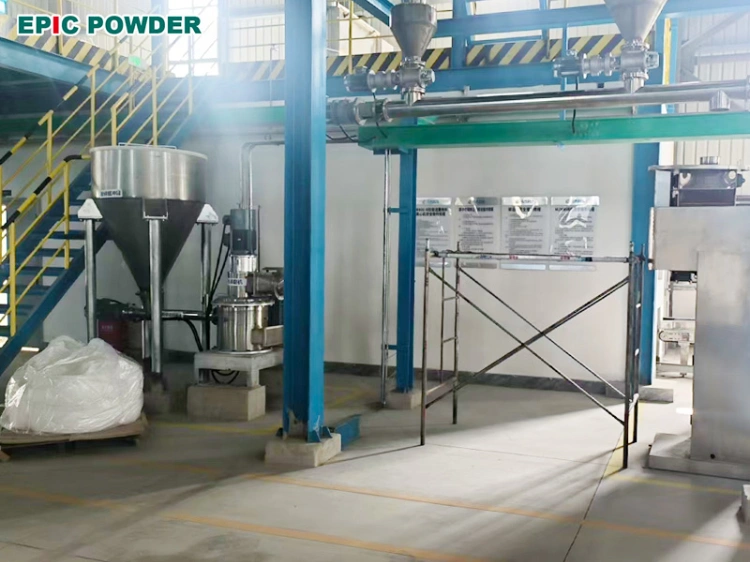
মেকানিক্যাল ইমপ্যাক্ট এয়ার ক্লাসিফায়ার মিল (যেমন, এমজেডব্লিউ সিরিজ)
মেকানিক্যাল ইমপ্যাক্ট এয়ার ক্লাসিফায়ার মিল উচ্চ-গতির ঘূর্ণায়মান হাতুড়ি বা ব্লেড দ্বারা সৃষ্ট তীব্র আঘাত, কর্তন এবং ঘর্ষণের মাধ্যমে পদার্থকে চূর্ণ করে। বাইরের আস্তরণ প্লেটগুলির সাথে উচ্চ-গতির সংঘর্ষের মাধ্যমে চূর্ণ করার কাজটি সম্পন্ন হয়।
কাজের নীতি: ফিডিং সিস্টেমের মাধ্যমে গ্রাইন্ডিং চেম্বারে কাঁচামাল প্রবেশ করানো হয়। চূর্ণ করা পাউডার একটি ঋণাত্মক-চাপের বায়ুপ্রবাহ দ্বারা উপরের টারবাইন ক্লাসিফিকেশন জোনে বাহিত হয়। উপযুক্ত মিহি পাউডার বায়ুপ্রবাহের সাথে নির্গত হয়, এবং মোটা পাউডার পুনঃসঞ্চালনের জন্য গ্রাইন্ডিং চেম্বারে ফিরে আসে।
সুবিধাদি:
চমৎকার শক্তি দক্ষতা: মাঝারি থেকে কম কাঠিন্যের খনিজ পদার্থ (যেমন ক্যালসিয়াম কার্বনেট এবং ট্যাল্ক) প্রক্রিয়াজাত করে ৮–১৫ ≤ ১৫ μm D97 মানে আনার ক্ষেত্রে, এর শক্তি খরচ একটি এয়ার জেট মিলের তুলনায় উল্লেখযোগ্যভাবে কম।
সংক্ষিপ্ত নকশা: পেষণ এবং শ্রেণিবিন্যাসকে একটি একক ইউনিটে একত্রিত করে, ফলে খুব কম জায়গার প্রয়োজন হয়।
অসুবিধাগুলো: ৪-এর বেশি মোহস কাঠিন্যযুক্ত অত্যন্ত ঘর্ষণকারী পদার্থের জন্য উপযুক্ত নয়; একটানা পরিচালনার সময় গ্রাইন্ডিং চেম্বারে একটি নির্দিষ্ট তাপমাত্রা বৃদ্ধি ঘটে।
অতিসূক্ষ্ম বল মিল + এয়ার ক্লাসিফায়ার উৎপাদন লাইন (যেমন, আইটিসি সিরিজ)
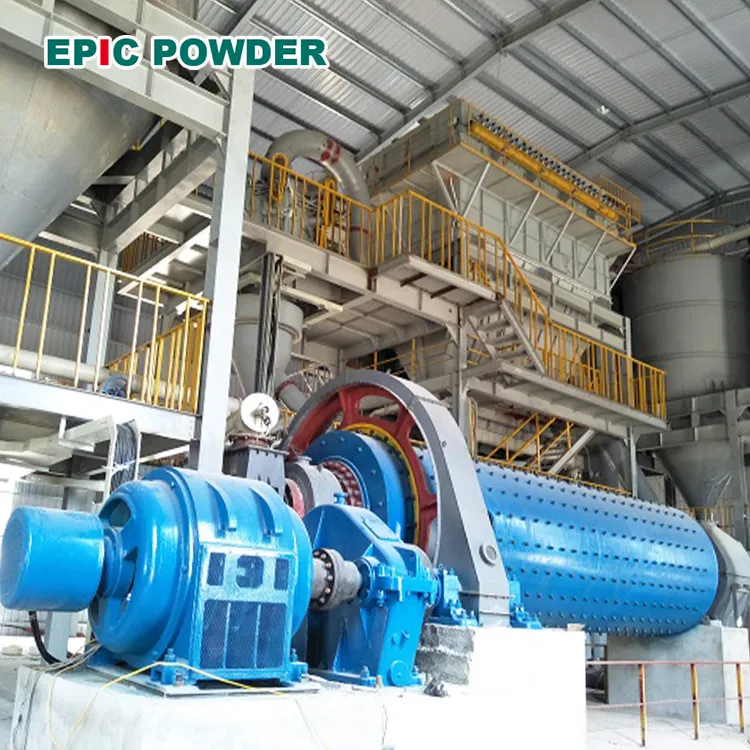
এটি বৃহৎ পরিসরে, শিল্পভিত্তিক এবং অত্যন্ত স্থিতিশীল অতি-সূক্ষ্ম খনিজ প্রক্রিয়াকরণের জন্য “শিল্প-মানসম্মত সংমিশ্রণ”।
কার্যকরী নীতিহরাইজন্টাল বল মিলের ভিতরে, গ্রাইন্ডিং মিডিয়ার (যেমন উচ্চ-অ্যালুমিনা সিরামিক বল) পারস্পরিক সংঘর্ষ, ঘূর্ণন এবং খসে পড়ার ক্রিয়ার মাধ্যমে উপাদানটি চূর্ণবিচূর্ণ হয়। উৎপাদিত পদার্থ একটি এলিভেটরের মাধ্যমে ধারাবাহিকভাবে সংযুক্ত এক বা একাধিক উচ্চ-নির্ভুল এয়ার ক্লাসিফায়ারে পাঠানো হয়। একটি ক্লোজড-সার্কিট রিসার্কুলেশন সিস্টেমের মাধ্যমে মোটা উপাদান স্বয়ংক্রিয়ভাবে বল মিলে ফেরত আসে।
সুবিধাদি:
সুপার-স্কেল ক্ষমতা: বার্ষিক ১০,০০০ টনের বেশি উৎপাদন ক্ষমতাসম্পন্ন বৃহৎ উৎপাদন লাইনের জন্য উপযুক্ত।
নিখুঁত কণার আকৃতি: বল মিলিং প্রক্রিয়ায় উৎপন্ন কণাগুলো প্রধানত গোলাকার বা বহুভুজাকৃতির হয়, যেগুলোর তেল শোষণ ক্ষমতা কম এবং কোটিং ও প্লাস্টিকের মধ্যে চমৎকারভাবে ছড়িয়ে পড়ে।
দীর্ঘস্থায়ী ব্যবহার: মিলটি কম গতিতে চলে, ফলে লাইনিং এবং গ্রাইন্ডিং মিডিয়া প্রতিস্থাপনের সময়কাল দীর্ঘ হয়; সিরামিক লাইনিংয়ের মাধ্যমে লোহামুক্ত দূষণ সহজেই অর্জন করা যায়।
অসুবিধাগুলো: উচ্চ প্রাথমিক বিনিয়োগ, বৃহৎ স্থান দখল করে এবং ভারী সরঞ্জাম হিসাবে শ্রেণীবদ্ধ।
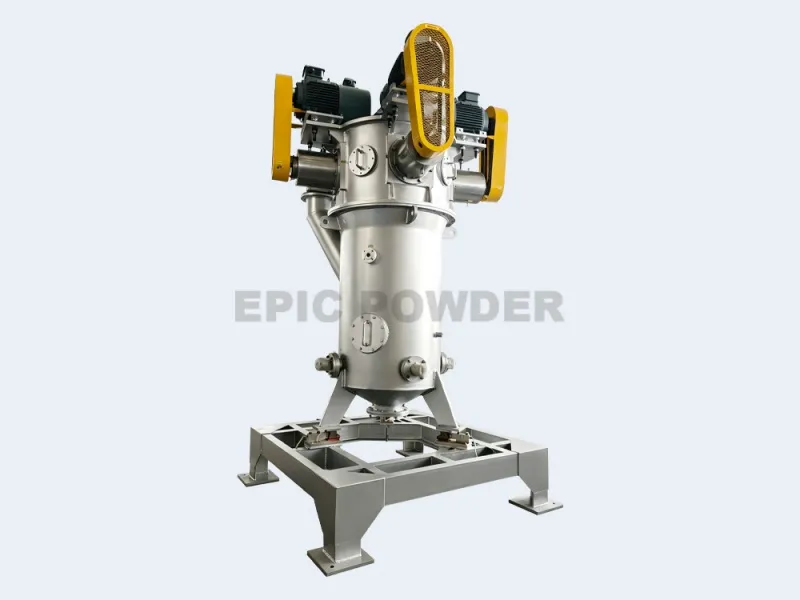
ফ্লুইডাইজড বেড জেট মিল
এই প্রক্রিয়ায় সুপারসনিক উচ্চ-চাপের গ্যাস জেট (ম্যাক ১.৫–২) ব্যবহার করে কণাগুলোর মধ্যে উচ্চ-গতির সংঘর্ষ ঘটানো হয়, যার ফলে কণাগুলো চূর্ণবিচূর্ণ হয়ে যায়।
কাজের নীতি: একাধিক নজল অ্যারে থেকে নির্গত উচ্চ-চাপের গ্যাস গ্রাইন্ডিং চেম্বারের কেন্দ্রে পরিচলন স্রোত তৈরি করে, যার ফলে পারস্পরিক সংঘর্ষের মাধ্যমে উপাদানটি “স্বয়ংক্রিয়ভাবে” পেষণ হয়।
সুবিধাদি:
চূড়ান্ত সূক্ষ্মতা: D50: 1–3 ≤ 15 μm সহ সহজেই অতি-সূক্ষ্ম পেষণ সম্পন্ন করে।
শূন্য দূষণ: উপাদানটি প্রধানত ধাতুর সংস্পর্শ ছাড়াই স্ব-সংঘর্ষের মাধ্যমে চূর্ণ করা হয়, যা অত্যন্ত উচ্চ বিশুদ্ধতা নিশ্চিত করে।
শীতল-উৎস পেষণ: গ্যাসের প্রসারণ তাপ শোষণ করে গ্রাইন্ডিং চেম্বারের অভ্যন্তরীণ তাপমাত্রা অত্যন্ত কম রাখে, যা এটিকে তাপ-সংবেদনশীল উপকরণগুলির জন্য স্বাভাবিকভাবেই উপযুক্ত করে তোলে।
অসুবিধাগুলো: অত্যন্ত উচ্চ শক্তি খরচ (এয়ার কম্প্রেসার প্রচুর বিদ্যুৎ খরচ করে), এবং বৃহৎ পরিসরে উৎপাদনের জন্য উচ্চ রূপান্তর ব্যয়। সাধারণত উচ্চ মূল্য সংযোজিত খনিজ পদার্থের (যেমন উচ্চ-বিশুদ্ধ কোয়ার্টজ, ট্যুরমালাইন এবং মূল্যবান ধাতুর আকরিক) জন্য ব্যবহৃত হয়।
মডেল নির্বাচনের জন্য "চারটি মূল মানদণ্ড"
একবার যন্ত্রপাতির ধরন নির্ধারণ করা হয়ে গেলে এবং নির্দিষ্ট মডেল ও সমাধানগুলোর মূল্যায়ন শুরু হলে, নিম্নলিখিত চারটি মূল বিষয় অবশ্যই সতর্কতার সাথে বিবেচনা করতে হবে:
এয়ার ক্লাসিফায়ারের নির্ভুলতা
অতিসূক্ষ্ম চূর্ণ করার চ্যালেঞ্জটি প্রায়শই "চূর্ণকরণ" প্রক্রিয়ার মধ্যে নয়, বরং "শ্রেণিবিন্যাস"-এর মধ্যে নিহিত থাকে। যদি ক্লাসিফায়ারটি সেইসব সূক্ষ্ম কণা দ্রুত অপসারণ করতে ব্যর্থ হয়, যেগুলো ইতোমধ্যেই কণার আকারের প্রয়োজনীয়তা পূরণ করেছে:
চেম্বারের ভেতরে সূক্ষ্ম কণাগুলো অতিরিক্ত চূর্ণবিচূর্ণ হয়ে যাবে, যার ফলে বিপুল পরিমাণ শক্তির অপচয় হবে।
অতিরিক্ত পেষণের ফলে সৃষ্ট অতিসূক্ষ্ম কণাগুলো চূড়ান্ত পণ্যের তেল শোষণ ক্ষমতা বাড়িয়ে দেবে, যার ফলে এটি পরবর্তী গ্রাহকদের জন্য ব্যবহারের অযোগ্য হয়ে পড়বে।
মূল্যায়নের মূল বিষয়সমূহ: ক্লাসিফায়ার হুইলের কাঠামোগত নকশা পরীক্ষা করুন। উন্নত ক্লাসিফায়ার হুইলগুলিতে (যেমন হরাইজন্টাল মাল্টি-রোটর ক্লাসিফায়ারে ব্যবহৃত হুইল) অপ্টিমাইজড ফ্লুইড ডাইনামিক্স থাকে। এগুলি অতি-উচ্চ ঘূর্ণন গতিতে একটি স্থিতিশীল প্রবাহ ক্ষেত্র বজায় রাখে, যা একটি অত্যন্ত নির্ভুল D97 কাট পয়েন্ট নিশ্চিত করে।
পরিধান প্রতিরোধ ক্ষমতা এবং উপাদানের আয়ুষ্কাল
উন্নত খনিজ প্রক্রিয়াকরণ একটি অবিচ্ছিন্ন উৎপাদন প্রক্রিয়া, এবং যন্ত্রপাতি বন্ধ থাকার ফলে কোম্পানির নিট মুনাফা সরাসরি হ্রাস পায়।
অধাতব খনিজ প্রক্রিয়াকরণে, ক্ষয়প্রবণ উপাদানগুলোর (হ্যামার হেড, লাইনার, ক্লাসিফায়ার হুইল ব্লেড) উপকরণগুলো নিবিড়ভাবে পরীক্ষা করা অপরিহার্য।
শিল্পে বর্তমানে ব্যবহৃত উচ্চ-মানের কনফিগারেশনগুলির মধ্যে রয়েছে: উচ্চ-ক্রোমিয়াম কাস্ট আয়রন, সিমেন্টেড কার্বাইড (WC ওয়েল্ডিং), অ্যালুমিনা সিরামিক টাইলস (Al₂O₃), এবং মনোলিথিক সিন্টার্ড সিলিকন কার্বাইড (SiC) উপাদান। ফিড মেটেরিয়ালের কাঠিন্য এবং বিশুদ্ধতার উপর ভিত্তি করে যথাযথভাবে ক্ষয়-প্রতিরোধী উপাদান নির্বাচন করুন।
প্রতি টন শক্তি খরচ এবং মোট পরিচালন ব্যয়
অত্যন্ত প্রতিযোগিতামূলক ও স্বল্প মুনাফার খনিজ প্রক্রিয়াজাতকরণ শিল্পে শক্তি খরচ অস্তিত্ব রক্ষার একটি বিষয়।
সরঞ্জাম নির্বাচন করার সময়, শুধুমাত্র মূল ইউনিটের পাওয়ার রেটিং-এর উপর মনোযোগ না দিয়ে পুরো সিস্টেমের মোট ইনস্টল করা পাওয়ার বিবেচনা করা উচিত। এর মধ্যে এয়ার কম্প্রেসার, ইনডিউসড ড্রাফট ফ্যান, ফিডার এবং অন্যান্য উপাদান অন্তর্ভুক্ত।
প্রতি টনে শক্তি খরচ (kWh/ton) গণনা করুন। সমতুল্য আউটপুট এবং কণার আকারের নির্দিষ্টকরণের অধীনে, শক্তি খরচ ১০১TP3T কমালে বার্ষিক বিদ্যুৎ খরচে এত পরিমাণ সাশ্রয় হতে পারে যা একটি নতুন ইউনিটের ক্রয়মূল্য মেটানোর জন্য যথেষ্ট।
পরিবেশগত সুরক্ষা এবং পরিবেশ-বান্ধব নকশা
আধুনিক উন্নত খনিজ প্রক্রিয়াকরণকে অবশ্যই কঠোর পরিবেশগত নিয়মকানুন মেনে চলতে হবে। অতিসূক্ষ্ম গুঁড়ো থেকে ধূলিকণা ও ধূলিকণা নির্গমনের প্রবণতা অত্যন্ত বেশি।
নেগেটিভ প্রেশার সিস্টেম: একটি উচ্চ-মানের আল্ট্রাফাইন গ্রাইন্ডিং সিস্টেমকে সম্পূর্ণ প্রক্রিয়া জুড়ে নেগেটিভ প্রেশারে কাজ করতে হবে। এটি নিশ্চিত করে যে কোনো ফ্ল্যাঞ্জ বা সংযোগস্থল দিয়ে কোনো ধূলিকণা বাইরে বের হয় না।
ধূলিকণা সংগ্রহের কার্যকারিতা: সাথে থাকা পালস-জেট ব্যাগহাউস ডাস্ট কালেক্টরটি পরিদর্শন করুন। ফিল্টার ব্যাগের উপাদান (যেমন, পিটিএফই-কোটেড) এবং পরিস্রাবণ এলাকা অবশ্যই যথেষ্ট বড় হতে হবে, যাতে নির্গত গ্যাসের পরিমাণ ২০ ঘনমিটার বা তারও কম থাকে।
সিস্টেম ইন্টিগ্রেশন: একটি “স্বতন্ত্র মেশিন” কিনবেন না; একটি “সিস্টেম” কিনুন।
উন্নত খনিজ প্রক্রিয়াকরণের সাফল্য সমগ্র উৎপাদন লাইনের নির্বিঘ্ন সমন্বয়ের উপর নির্ভর করে। একটি অতিসূক্ষ্ম গ্রাইন্ডার কোনোভাবেই একটি বিচ্ছিন্ন যন্ত্রাংশ নয়। এর জন্য আপস্ট্রিম এবং ডাউনস্ট্রিম উভয় সিস্টেমের সাথেই নির্বিঘ্ন একীকরণ প্রয়োজন।
ধারাবাহিক খাওয়ানো: আল্ট্রাফাইন গ্রাইন্ডার ফিড রেটের প্রতি অত্যন্ত সংবেদনশীল। এগুলিতে অবশ্যই একটি ভেরিয়েবল-ফ্রিকোয়েন্সি-কন্ট্রোলড লস-ইন-ওয়েট ফিডার অথবা একটি টুইন-স্ক্রু ফিডার সংযুক্ত থাকতে হবে। অতিরিক্ত দ্রুত ফিডিংয়ের ফলে প্রধান মোটরে ওভারলোড হতে পারে, প্রবাহ ক্ষেত্র ব্যাহত হতে পারে এবং চূড়ান্ত পণ্য মোটা দানার হতে পারে। অন্যদিকে, খুব ধীরে ফিডিং করলে বায়ুপ্রবাহ নিষ্ক্রিয় হয়ে পড়ে এবং শক্তি খরচ আকাশচুম্বী হয়ে যায়।
বায়ুপ্রবাহের ভারসাম্য: সিস্টেমের ইন্ডুসড ড্রাফট ফ্যানের বায়ুপ্রবাহের পরিমাণ ও চাপ অবশ্যই গ্রাইন্ডিং চেম্বারের অভ্যন্তরীণ আয়তন এবং ক্লাসিফায়ার হুইলের গতির সাথে কঠোরভাবে সামঞ্জস্যপূর্ণ হতে হবে। অতিরিক্ত বায়ুপ্রবাহ মোটা কণাগুলোকে ভাসিয়ে নিয়ে যায়, অন্যদিকে অপর্যাপ্ত বায়ুপ্রবাহ উৎপাদনকে ব্যাহত করে। এটি সরঞ্জাম প্রস্তুতকারকের সিস্টেম ইঞ্জিনিয়ারিং ডিজাইন সক্ষমতার উপর উল্লেখযোগ্য চাপ সৃষ্টি করে।
অটোমেশন কন্ট্রোল সিস্টেম (পিএলসি / এসসিএডিএ): আধুনিক আল্ট্রাফাইন গ্রাইন্ডিং লাইনগুলিতে মানসম্মতভাবে একটি পিএলসি কন্ট্রোল সিস্টেম থাকা উচিত। এই সিস্টেমটি প্রধান মোটরের কারেন্ট, ক্লাসিফায়ার হুইলের গতি, সিস্টেমের বিভিন্ন পয়েন্টে স্থির চাপ এবং ইনলেট/আউটলেট তাপমাত্রার মতো প্যারামিটারগুলির রিয়েল-টাইম পর্যবেক্ষণ এবং ক্লোজড-লুপ নিয়ন্ত্রণ করতে সক্ষম করে। এটি মানববিহীন ও অত্যন্ত স্থিতিশীল প্ল্যান্ট পরিচালনা নিশ্চিত করে।
উপসংহার এবং নির্বাচন
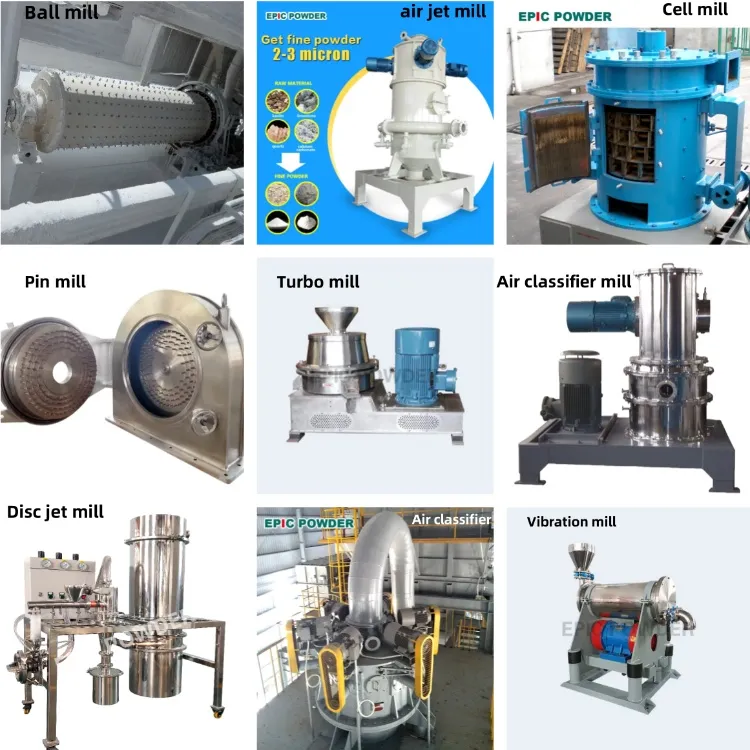
সংক্ষেপে, উন্নত খনিজ প্রক্রিয়াকরণের জন্য সবচেয়ে উপযুক্ত অতিসূক্ষ্ম গ্রাইন্ডার নির্বাচন করার সময়, আপনি এই সরলীকৃত সিদ্ধান্ত গ্রহণ প্রক্রিয়াটি অনুসরণ করতে পারেন:
বৃহৎ পরিসরের কার্যক্রম, উচ্চ উৎপাদন এবং উল্লেখযোগ্য বিনিয়োগের জন্য (যেমন, বার্ষিক ১০,০০০ টনের বেশি উৎপাদন ক্ষমতাসহ ক্যালসাইট বা ট্যাল্ককে ১২০০–৩০০০ মেশ পর্যন্ত প্রক্রিয়াজাতকরণ)।
পছন্দনীয়: এপিক পাউডার আল্ট্রা-ফাইন বল মিল + আইটিসি এয়ার ক্লাসিফায়ার প্রোডাকশন লাইন।
ব্যয়-সাশ্রয়, পরিমিত বিনিয়োগ এবং প্রক্রিয়াগত নমনীয়তার জন্য (যেমন, ২৫০০ মেশের কম আকারের ভারী ক্যালসিয়াম কার্বনেট, ফেল্ডস্পার বা রাসায়নিক কাঁচামাল প্রক্রিয়াকরণ)।
সুপারিশকৃত: এপিক পাউডার এমজেডব্লিউ সিরিজ মেকানিক্যাল ইমপ্যাক্ট এয়ার ক্লাসিফায়ার মিল।
চরম সূক্ষ্মতা, অতি-উচ্চ বিশুদ্ধতা এবং উচ্চ মূল্য সংযোজিত প্রয়োগের জন্য (যেমন, ন্যানোস্কেল, উচ্চ-বিশুদ্ধ কোয়ার্টজ এবং লিথিয়াম-আয়ন ব্যাটারির অ্যানোড/ক্যাথোড উপকরণ প্রক্রিয়াকরণ)।
সুপারিশকৃত: এপিক পাউডার ফ্লুইডাইজড বেড এয়ার জেট মিল (সম্পূর্ণ সিরামিক লাইনিং দিয়ে কাস্টমাইজযোগ্য)।
সঠিক সরঞ্জাম নির্বাচন করা মানে “সবচেয়ে দামি মেশিন” কেনা নয়। এর মূল উদ্দেশ্য হলো এমন একটি “সুসংবদ্ধ প্রকৌশলগত সমাধান” বেছে নেওয়া, যা আপনার আকরিকের বৈশিষ্ট্য এবং ব্যবসায়িক মডেলের সাথে সবচেয়ে ভালোভাবে মেলে। প্রকৃত নির্বাচন প্রক্রিয়ার সময়, আমরা সম্পূর্ণ প্রক্রিয়া পরীক্ষার জন্য কাঁচা আকরিকের নমুনা কোনো পেশাদার পাউডার প্রক্রিয়াকরণ সরঞ্জাম প্রস্তুতকারকের কাছে পাঠানোর জন্য জোরালোভাবে সুপারিশ করি। প্রস্তুতকারকরা নির্ভরযোগ্য লেজার কণা আকার বিশ্লেষক পরীক্ষার প্রতিবেদন, প্রতি টনে বিদ্যুৎ খরচের তথ্য এবং ক্ষয় প্রতিরোধ ক্ষমতার মূল্যায়ন প্রদান করতে পারে। এই বাস্তব পরীক্ষার ফলাফল এবং তথ্য আপনার খনির আধুনিকীকরণের যাত্রাকে সুরক্ষিত রাখতে সাহায্য করতে পারে।

"পড়ার জন্য ধন্যবাদ। আশা করি আমার লেখাটি আপনার কাজে লাগবে। অনুগ্রহ করে নিচে একটি মন্তব্য করুন। আরও যেকোনো প্রশ্নের জন্য আপনি Zelda অনলাইন গ্রাহক প্রতিনিধির সাথেও যোগাযোগ করতে পারেন।"
— পোস্ট করেছেন এমিলি চেন