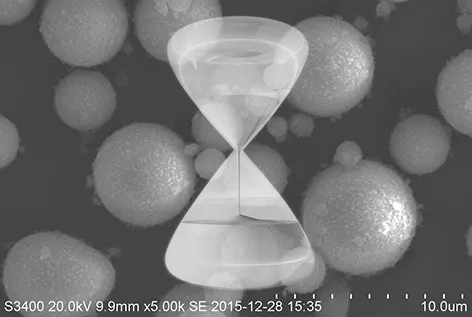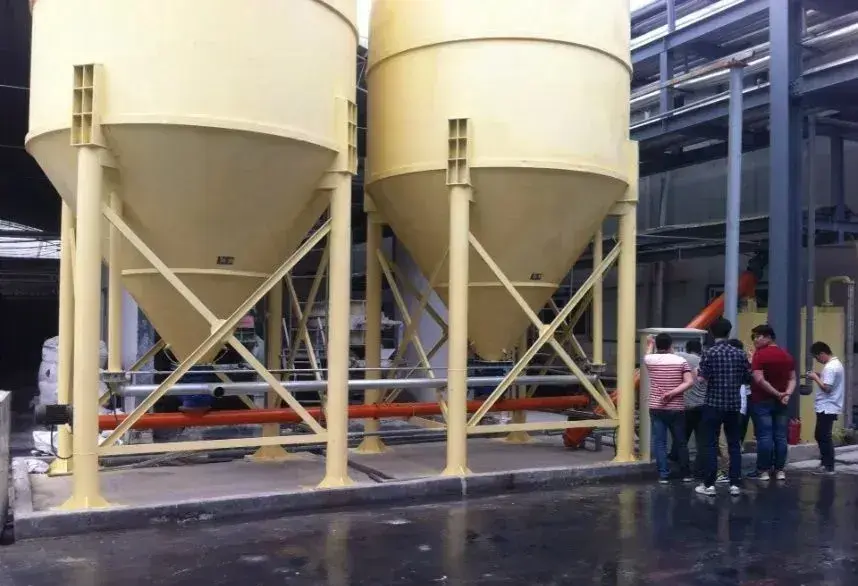
এয়ার ক্লাসিফায়ার হল এক ধরণের বায়ু শ্রেণিবিন্যাস সরঞ্জামসাইক্লোন সেপারেটর, ডাস্ট কালেক্টর এবং অন্যান্য যন্ত্রাংশের সাথে একত্রে ব্যবহৃত হলে, এটি বায়ুপ্রবাহ এবং কেন্দ্রাতিগ বল কাজে লাগিয়ে কণার আকার অনুযায়ী পদার্থসমূহকে পৃথক করে। এটি শুষ্ক পদ্ধতি ব্যবহার করে মাইক্রন-স্তরের পণ্যের সূক্ষ্ম শ্রেণিবিন্যাসের জন্য উপযুক্ত।
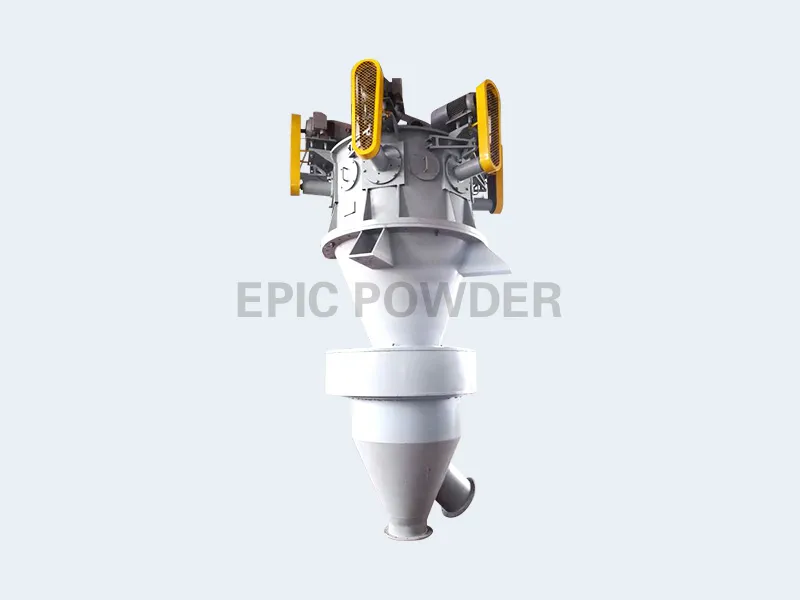
একটি এয়ার ক্লাসিফায়ার কীভাবে গুঁড়ো পদার্থ পৃথক করে?
এই যন্ত্রের মূল কার্যপ্রণালী গুঁড়ো পদার্থ পৃথক করার জন্য বলের ভারসাম্যের উপর নির্ভর করে। বায়ুপ্রবাহের সাথে পদার্থটি শ্রেণিবিন্যাস অঞ্চলে প্রবেশ করার পর, এটি প্রাথমিকভাবে দুটি বলের অধীন হয়:
কেন্দ্রবিমুখী বল: উচ্চ-গতিতে ঘূর্ণায়মান শ্রেণিবিন্যাস চাকাটি একটি বহির্মুখী কেন্দ্রাতিগ বল তৈরি করে, যা মোটা কণাগুলোকে সিলিন্ডারের দেয়ালের দিকে নিক্ষেপ করে।
বায়ুপ্রবাহের টান: উর্ধ্বমুখী বায়ুপ্রবাহ একটি অন্তর্মুখী আকর্ষণ বল তৈরি করে, যা সূক্ষ্ম কণাগুলোকে কেন্দ্রের দিকে বয়ে নিয়ে যায়।
যখন কেন্দ্রাতিগ বল বায়ুপ্রবাহের প্রতিরোধ বলকে অতিক্রম করে, তখন মোটা কণাগুলো নিচে পড়ে যায়। এর বিপরীতে, সূক্ষ্ম কণাগুলো বাহিত হয়ে যায়। ক্লাসিফায়ার চাকার গতি সামঞ্জস্য করে, কাট-অফ পয়েন্টটি নির্ভুলভাবে নিয়ন্ত্রণ করা যায়। এর মধ্য দিয়ে যেতে দেওয়া কণাগুলোর সূক্ষ্মতা প্রয়োজন অনুযায়ী সামঞ্জস্য করা যেতে পারে। আরও পরিষ্কারভাবে পৃথকীকরণের জন্য, যন্ত্রটিতে সাধারণত একটি দ্বিতীয় বায়ু সরবরাহ ব্যবস্থা থাকে যা মোটা কণার সাথে মিশ্রিত সূক্ষ্ম কণাগুলোকে আরও একবার "ধৌত" করে, যার ফলে সূক্ষ্ম কণার পুনরুদ্ধারের হার উন্নত হয়।
এয়ার ক্লাসিফায়ারের প্রযুক্তিগত বৈশিষ্ট্য ও সুবিধাগুলো কী কী?
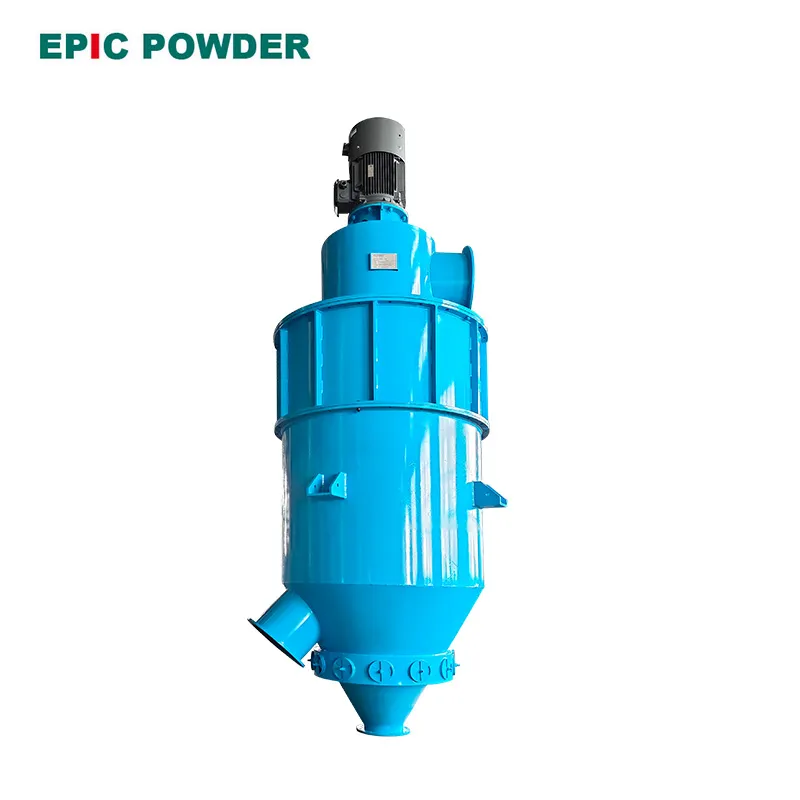
উচ্চ শ্রেণিবিন্যাস নির্ভুলতা:
এয়ার ক্লাসিফায়ারগুলো বায়ুপ্রবাহের বেগ এবং ক্লাসিফায়ার হুইলের গতির মতো প্যারামিটারগুলো সমন্বয় করে মাইক্রন থেকে মিলিমিটার স্কেল পর্যন্ত নির্ভুল শ্রেণিবিন্যাস করতে পারে। এগুলো অতিসূক্ষ্ম পাউডারের শ্রেণিবিন্যাসের জন্য বিশেষভাবে উপযুক্ত। উদাহরণস্বরূপ, রাসায়নিক শিল্পে, এগুলো ন্যানোস্কেল ক্যালসিয়াম কার্বনেটকে শ্রেণিবিন্যাস করে কণার আকারের সুষম বণ্টন নিশ্চিত করতে পারে।
এর ব্যাপক প্রয়োগক্ষেত্র রয়েছে:
এই যন্ত্রটি বিভিন্ন ধরণের উপকরণ প্রক্রিয়াজাত করতে পারে, যার মধ্যে ধাতব গুঁড়া, অধাতব খনিজ, রাসায়নিক কাঁচামাল এবং খাদ্য সংযোজক অন্তর্ভুক্ত, তবে এগুলিতেই সীমাবদ্ধ নয়। এর শ্রেণিবিন্যাস কণার আকারের পরিসীমা সাধারণত ১–২০০ মাইক্রন। বিভিন্ন শিল্পের সূক্ষ্ম-শ্রেণিবিন্যাসের চাহিদা মেটাতে কিছু মডেলকে মিলিমিটার পরিসীমা পর্যন্ত সম্প্রসারিত করা যায়।
সংক্ষিপ্ত কাঠামো এবং নমনীয় পরিচালনা:
এয়ার-ক্লাসিফায়ারগুলো সাধারণত উল্লম্বভাবে বিন্যস্ত থাকে, ফলে এগুলোর জন্য খুব কম জায়গার প্রয়োজন হয়। এগুলোর মডিউলার নকশা বিভিন্ন উৎপাদন ক্ষমতার চাহিদা মেটাতে ধারাবাহিকভাবে বা সমান্তরালে বহু-পর্যায়ের বিন্যাসের সুযোগ দেয়। উদাহরণস্বরূপ, একটি একক ইউনিটের প্রক্রিয়াকরণ ক্ষমতা প্রতি ঘণ্টায় কয়েক কিলোগ্রাম থেকে কয়েক টন পর্যন্ত হতে পারে। এগুলো পরীক্ষাগার-স্তরের পরীক্ষামূলক প্রয়োগ এবং বৃহৎ আকারের শিল্প উৎপাদন—উভয়ের জন্যই উপযুক্ত।
কম শক্তি খরচ এবং সহজ রক্ষণাবেক্ষণ:
যান্ত্রিক স্ক্রিনিং সরঞ্জামের তুলনায়, এয়ার ক্লাসিফায়ারে ক্ষয়যোগ্য কোনো চলমান অংশ নেই এবং এটি কম শব্দে কাজ করে। এছাড়াও, অপ্টিমাইজড এয়ারফ্লো ডিজাইনের মাধ্যমে শক্তি খরচ কমানো যায়। এর নিয়মিত রক্ষণাবেক্ষণের জন্য কেবল ক্লাসিফায়ারের চাকা এবং ডাক্টওয়ার্ক নির্দিষ্ট সময় পর পর পরিষ্কার করার প্রয়োজন হয়, ফলে এর পরিচালনা বেশ সহজ।
সাধারণ প্রকারগুলো কী কী? বায়ু শ্রেণিবিন্যাসকারী ?
গঠন ও স্থাপন পদ্ধতির উপর ভিত্তি করে, বাজারে উপলব্ধ প্রধান মডেলগুলো মূলত নিম্নলিখিত শ্রেণীগুলোতে বিভক্ত:
| মডেলের ধরন | কাঠামোগত ও প্রযুক্তিগত বৈশিষ্ট্য | আদর্শ প্রয়োগের দৃশ্যকল্প |
| উল্লম্ব শ্রেণিবিন্যাসকারী | এতে একটি বড় ব্যাসের, কম গতির একক শ্রেণিবিন্যাসকারী চাকা ব্যবহার করা হয়। এর গঠন সরল এবং শক্তি খরচ কম। | মোটা বা সাধারণ মিহি গুঁড়া বৃহৎ পরিমাণে প্রক্রিয়াজাত করার জন্য সর্বোত্তম; বিনিয়োগ খরচ কম। |
| অনুভূমিক শ্রেণিবিন্যাসকারী | উচ্চ শ্রেণিবিন্যাস নির্ভুলতা এবং বড় ও অতিবৃহৎ কণাগুলোর উপর কঠোর নিয়ন্ত্রণ প্রদান করে। | অত্যন্ত সূক্ষ্ম ও উচ্চ মানের পণ্যের জন্য সেরা; সাধারণত এর দামও বেশি হয়। |
| মাল্টি-রোটর ক্লাসিফায়ার | এগুলোকে সিরিজে সংযুক্ত করা যায়, যার ফলে একটি একক সিস্টেম একই সাথে একাধিক আকারের পণ্য উৎপাদন করতে পারে। | যেসব উৎপাদন লাইন উচ্চ দক্ষতা এবং একাধিক পণ্যের বৈশিষ্ট্য অর্জনের লক্ষ্য রাখে, সেগুলোর জন্য সর্বোত্তম। |
| ভর্টেক্স ক্লাসিফায়ার | একটি তৃতীয় প্রজন্মের প্রযুক্তি যা উচ্চ উৎপাদন ক্ষমতা এবং গ্যাস ও উপাদানের পুঙ্খানুপুঙ্খ মিশ্রণের জন্য বলপূর্বক ঘূর্ণি কেন্দ্রাতিগ পদ্ধতি ব্যবহার করে। | চমৎকার শক্তি দক্ষতা প্রদান করে; সাব-মাইক্রন স্কেল পৃথকীকরণের জন্য আদর্শ। |
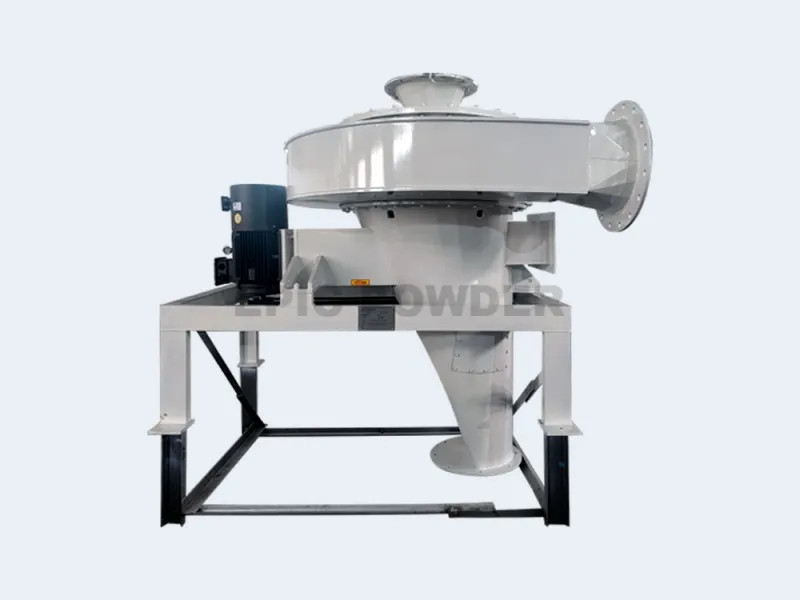
এয়ার ক্লাসিফায়ারের প্রধান প্রয়োগগুলো কী কী?
এয়ার ক্লাসিফায়ার হলো পাউডারের উন্নত প্রক্রিয়াকরণের একটি মূল সরঞ্জাম এবং এটি ব্যাপকভাবে ব্যবহৃত হয়। এর প্রয়োগ প্রধানত সেইসব শিল্পে কেন্দ্রীভূত যেখানে বিশুদ্ধতা এবং কণার আকৃতির জন্য উচ্চ চাহিদা রয়েছে:
- অধাতব খনিজ পদার্থ: যেমন ক্যালসিয়াম কার্বনেট, কওলিন, কোয়ার্টজ, ট্যাল্ক এবং ব্যারিট, যা বিশুদ্ধকরণ এবং শ্রেণিবিন্যাসের জন্য ব্যবহৃত হয়।
- রাসায়নিক শিল্প: পণ্যের বিশুদ্ধতা ও বিচ্ছুরণ উন্নত করার জন্য অনুঘটক, রঞ্জক এবং ফিলারের মতো উপকরণ শ্রেণীবদ্ধ করতে এটি ব্যবহৃত হয়। উদাহরণস্বরূপ, টাইটানিয়াম ডাইঅক্সাইড উৎপাদনে, একটি এয়ার ক্লাসিফায়ার মোটা কণা এবং জমাটবদ্ধ পদার্থ অপসারণ করে, যাতে পণ্যটি শুভ্রতার মান পূরণ করে।
- খাদ্য শিল্প: বিভিন্ন ফর্মুলেশনের প্রয়োজনীয়তা মেটাতে স্টার্চ, গুঁড়ো চিনি এবং গুঁড়ো দুধের মতো খাদ্য উপাদানগুলির শ্রেণিবিন্যাস করা হয়। উদাহরণস্বরূপ, গুঁড়ো দুধ উৎপাদনে, বায়ু শ্রেণিবিন্যাস দ্রবণীয়তা উন্নত করার জন্য ফ্যাট গ্লোবিউলের আকার নিয়ন্ত্রণ করে।
- ঔষধ শিল্প: ফার্মাসিউটিক্যাল ইন্টারমিডিয়েট, মাইক্রোট্যাবলেট এবং ক্যাপসুল ফিলার শ্রেণীবদ্ধ করার জন্য ব্যবহৃত হয়। এটি কণার আকারের সমরূপতা নিশ্চিত করে এবং জৈব উপলভ্যতা উন্নত করে। উদাহরণস্বরূপ, ইনহেলার উৎপাদনের ক্ষেত্রে, এয়ার ক্লাসিফায়ার এমন সূক্ষ্ম পাউডার তৈরি করতে পারে যা শ্বাসতন্ত্রে জমা হওয়ার শর্ত পূরণ করে।
- নতুন শক্তি শিল্প: লিথিয়াম-আয়ন ব্যাটারির উপাদান উৎপাদনে, এটি অ্যানোড এবং ক্যাথোড উপাদানকে (যেমন লিথিয়াম কোবাল্ট অক্সাইড এবং গ্রাফাইট) শ্রেণীবদ্ধ করে। এটি ব্যাটারির শক্তি ঘনত্ব এবং কার্যকাল বৃদ্ধি করে।
শিল্প মান এবং নির্বাচন বিবেচনা
শ্রেণিবিন্যাস দক্ষতা: আন্তর্জাতিক মান অনুযায়ী, এয়ার-ক্লাসিফায়ারের শ্রেণিবিন্যাস দক্ষতা সাধারণত “নিউটন এফিসিয়েন্সি” বা “ট্রুপেল এফিসিয়েন্সি”-এর মাধ্যমে পরিমাপ করা হয়। উচ্চ-মানের সরঞ্জাম ৮০১TP3T-এর বেশি দক্ষতা অর্জন করতে পারে। মডেল নির্বাচন করার সময়, উপাদানের বৈশিষ্ট্য (যেমন ঘনত্ব, আকৃতি এবং আসঞ্জন) অনুসারে উপযুক্ত ধরনটি বেছে নিন।
প্রক্রিয়াকরণ ক্ষমতা: উৎপাদনের পরিমাণের উপর ভিত্তি করে যন্ত্রপাতির স্পেসিফিকেশন নির্বাচন করুন। উদাহরণস্বরূপ, ৩০০ কেজি থেকে ২,০০০ কেজি একক-ব্যাচ ধারণক্ষমতার মডেলগুলো ক্ষুদ্র ও মাঝারি উদ্যোগের জন্য উপযুক্ত। বৃহৎ উৎপাদন লাইনের জন্য সমান্তরালভাবে কনফিগার করা একাধিক ইউনিট অথবা কাস্টমাইজড যন্ত্রপাতির প্রয়োজন হয়।
পরিধান প্রতিরোধ ক্ষমতা: কঠিন পদার্থ (যেমন ধাতব গুঁড়া) প্রক্রিয়াকরণের সময়, কার্যকাল দীর্ঘায়িত করার জন্য ক্ষয়-প্রতিরোধী উপাদান (যেমন সিরামিক-কোটেড বা সিমেন্টেড কার্বাইড) দিয়ে তৈরি ক্লাসিফায়ার হুইল নির্বাচন করুন।
পরিবেশগত প্রয়োজনীয়তা: ধূলিকণা নির্গমন যেন জাতীয় পরিবেশগত মানদণ্ড মেনে চলে, তা নিশ্চিত করতে একটি উচ্চ-দক্ষতাসম্পন্ন ধূলিকণা সংগ্রহ ব্যবস্থা স্থাপন করুন।
উপসংহার
আধুনিক শিল্প কাঁচামালের সূক্ষ্মতা এবং বিশুদ্ধতার উপর ক্রমবর্ধমান কঠোর প্রয়োজনীয়তা আরোপ করায়, একটি পণ্যের মূল প্রতিযোগিতামূলক ক্ষমতা নির্ধারণে “পাউডার প্রযুক্তি” একটি গুরুত্বপূর্ণ নিয়ামক হয়ে উঠেছে। এয়ার ক্লাসিফায়ারগুলো তাদের উচ্চ নির্ভুলতা, কম শক্তি খরচ এবং নমনীয় অপারেটিং মোডের মাধ্যমে, ঐতিহ্যবাহী খনি থেকে শুরু করে অত্যাধুনিক নতুন শক্তি পর্যন্ত বিভিন্ন খাতের আধুনিকীকরণের চাহিদা পুরোপুরি পূরণ করে। সরঞ্জাম নির্বাচন করার সময়, কোম্পানিগুলোকে অবশ্যই উপাদানের বৈশিষ্ট্য, উৎপাদন ক্ষমতা, ক্ষয় প্রতিরোধ ক্ষমতা এবং পরিবেশগত স্থায়িত্ব সহ একাধিক বিষয় সামগ্রিকভাবে বিবেচনা করতে হবে এবং তাদের নির্দিষ্ট প্রয়োজন অনুসারে প্রযুক্তিগত সমাধান নির্বাচন করতে হবে। কেবল তখনই এই “জাদুকরী বায়ুপ্রবাহ” উচ্চ-দক্ষতাসম্পন্ন উৎপাদনশীলতার একটি অবিচ্ছিন্ন ধারায় রূপান্তরিত হতে পারে।

"পড়ার জন্য ধন্যবাদ। আশা করি আমার লেখাটি আপনার কাজে লাগবে। অনুগ্রহ করে নিচে একটি মন্তব্য করুন। আরও যেকোনো প্রশ্নের জন্য আপনি Zelda অনলাইন গ্রাহক প্রতিনিধির সাথেও যোগাযোগ করতে পারেন।"
— পোস্ট করেছেন এমিলি চেন