Common inorganic powders used in polymer materials include silicon dioxide, aluminum oxide, calcium carbonate, and others. These materials share several characteristics: high thermal stability, high mechanical strength, good chemical inertness, low cost, and easy surface modification. When incorporated into polymers, they can provide reinforcement, barrier performance, heat resistance, and anti-aging properties. Below is a detailed overview of the common modification methods and key application fields of various inorganic powders, categorized according to powder characteristics and real industrial application scenarios.
1. Silicon Dioxide (SiO₂, White Carbon Black / Fumed Silica / Precipitated Silica)
Common inorganic powder Modification Methods
Silane coupling modification:
Grafting coupling agents such as amino silane, epoxy silane, and methacryloxy silane to improve compatibility with organic polymers (e.g., silicone rubber and epoxy resin).
Surface coating modification:
Using titanate or aluminate coupling agents or fatty acids (salts) for coating to reduce oil absorption and improve dispersion.
Polymer grafting modification:
Polymer chains such as acrylates or styrene are grafted onto the surface through emulsion polymerization to enhance interfacial bonding with the matrix.
Inorganic composite modification:
Compounding with TiO₂ or ZnO to introduce photocatalytic or antibacterial properties.
Application Fields
Rubber industry:
Reinforcing agent in tires (precipitated silica) and filler for silicone rubber (fumed silica), improving wear resistance and tear strength.
Plastics industry:
Scratch-resistant and anti-blocking additive for PP, PE, and PC , as well as toughening filler for epoxy resins.
Coatings and inks:
Matting agent (fumed silica) and wear-resistant filler to enhance coating hardness and scratch resistance.
Daily chemical products:
Toothpaste abrasives, cosmetic sunscreen carriers, and rheology modifiers for coatings.
Lithium battery materials:
Separator coating materials and conductive additives for cathode materials.
2. Titanium Dioxide (TiO₂, Titanium White)
Common Modification Methods
Inorganic coating modification:
Coating with Al₂O₃, SiO₂, or ZrO₂ to improve weather resistance and reduce photocatalytic activity (preventing polymer degradation).
Organic surface modification:
Using silane coupling agents, fatty acids, and titanate agents to enhance dispersion and compatibility in coatings and plastics.
Doping modification:
Doping with Nb, Ta, or rare earth elements to adjust crystal structures (rutile/anatase) and enhance photocatalytic activity or hiding power.
Particle size control modification:
Producing nano TiO₂ to provide photocatalytic and antibacterial functions.
Application Fields
Coatings and inks:
White pigment (rutile type) and photocatalytic coatings (anatase type) offering high hiding power and weather resistance.
Plastics industry:
Colorant and UV-resistant filler for PE and PP films.
Daily chemical products:
Physical sunscreen agent and whitening agent in cosmetics (nano TiO₂).
Environmental protection:
Photocatalytic degradation of organic pollutants and air purification materials.
Paper industry:
Paper whitening agent and coating pigment.
3. Zinc Oxide (ZnO) inorganic powder modification
Common Modification Methods
Surface coating modification:
Coating with silane coupling agents, stearic acid, TiO₂ or SiO₂ to improve dispersion and reduce photocatalytic activity.
Doping modification:
Doping with Al, Ga, or rare earth elements to improve conductivity or antibacterial properties.
Nano modification:
Producing nano ZnO to enhance UV shielding and antibacterial effects.
Polymer grafting modification:
Grafting acrylate or polyurethane chains to enhance interfacial bonding with rubber or plastics.
Application Fields
Rubber industry:
Vulcanization activator for natural rubber and styrene-butadiene rubber, promoting vulcanization and improving mechanical properties.
Daily chemical products:
UV shielding agent and antibacterial additive in sunscreens (nano ZnO).
Coatings industry:
Antibacterial coatings and UV-resistant coating fillers.
Electronics:
Varistors and conductive rubber fillers (doped ZnO).
Ceramics industry:
Ceramic glazes and piezoelectric ceramic materials.
4. Aluminum Oxide (Al₂O₃, Corundum / Aluminum Hydroxide)
Common Modification Methods
Coupling agent modification:
Treatment with silane (amino, epoxy) or titanate coupling agents to improve dispersion in resins and rubber.
Surface coating modification:
Coating with SiO₂ or ZrO₂ to adjust surface acidity and improve compatibility with matrices.
Crystal phase modification:
Controlling calcination to obtain α-Al₂O₃ (high hardness) or γ-Al₂O₃ (high activity).
Porous modification:
Preparing porous alumina for adsorption and catalyst supports.
Application Fields
Ceramics industry:
Structural ceramics (bearings, cutting tools) and electronic ceramics (substrates, insulating materials).
Plastics and rubber:
Wear-resistant filler (PA, PP) and flame-retardant synergist (combined with aluminum hydroxide or magnesium hydroxide).
Coatings industry:
Wear-resistant coatings (machine tools, pipelines) and fireproof coatings.
Lithium battery materials:
Cathode material carriers (γ-Al₂O₃) and separator coatings.
Polishing materials:
Metal polishing agents and semiconductor wafer polishing slurries (α-Al₂O₃).
5. Iron Oxides (Fe₂O₃ / Fe₃O₄, Iron Red / Iron Black)
Common Modification Methods
Surface coating modification:
Using silane coupling agents, fatty acids, or SiO₂/TiO₂ coatings to improve dispersion and weather resistance.
Doping modification:
Doping with Zn or Mn to adjust color (iron yellow, iron brown) or magnetic properties (Fe₃O₄).
Nano modification:
Producing nano Fe₃O₄ to introduce magnetic response and catalytic performance.
Encapsulation modification:
Coating with organic resins to enhance corrosion resistance in coatings.
Application Fields
Coatings and inks:
Color pigments (iron red, iron black, iron yellow) and anti-rust coating fillers.
Plastics industry:
Plastic colorants for PP/PE pipes and profiles.
Magnetic materials:
Permanent magnets, magnetic recording materials, and magnetic fluids (nano Fe₃O₄).
Metallurgy industry:
Ironmaking raw materials and catalyst carriers (γ-Fe₂O₃).
Building materials:
Coloring agents for colored cement and floor tiles.
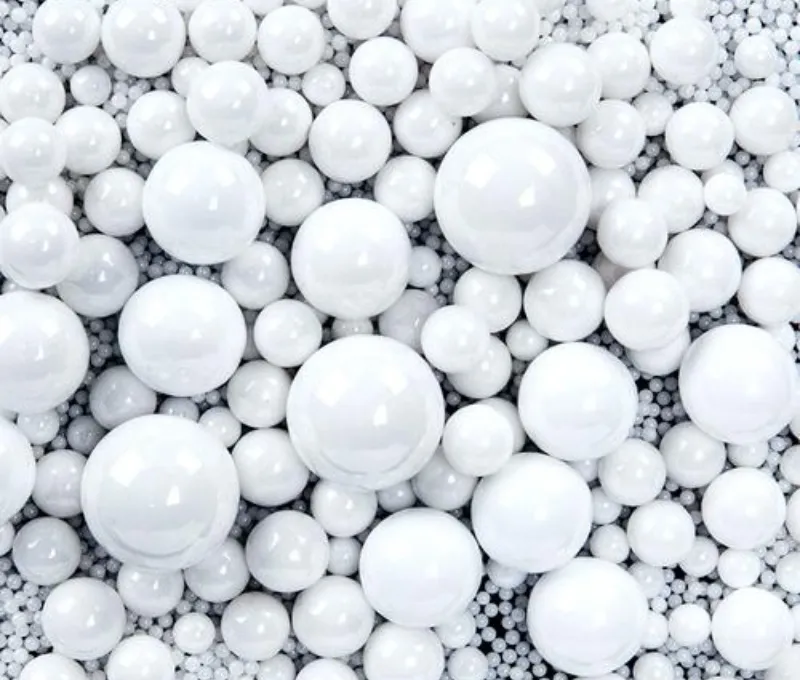
6. Zirconium Oxide (ZrO₂, Zirconia)
Common Modification Methods
Doping modification:
Doping with Y₂O₃ or CeO₂ to form stabilized zirconia and improve mechanical properties.
Surface modification:
Using silane coupling agents or titanates to improve dispersion in ceramics and resins.
Nano modification:
Producing nano ZrO₂ to enhance toughness and wear resistance.
Composite modification:
Compounding with Al₂O₃ (ZTA ceramics) to improve hardness and toughness.
Application Fields
Ceramics industry:
Structural ceramics (engine components, cutting tools), electronic ceramics (oxygen sensors), and bioceramics (dental implants, joints).
Coatings industry:
High-temperature and wear-resistant coatings for aerospace and military equipment.
Refractory materials:
Refractory bricks and castables for high-temperature kilns.
Optical field:
Optical fiber connectors and polishing materials for optical lenses.
Lithium battery materials:
Coating layers for cathode materials to improve cycling stability.
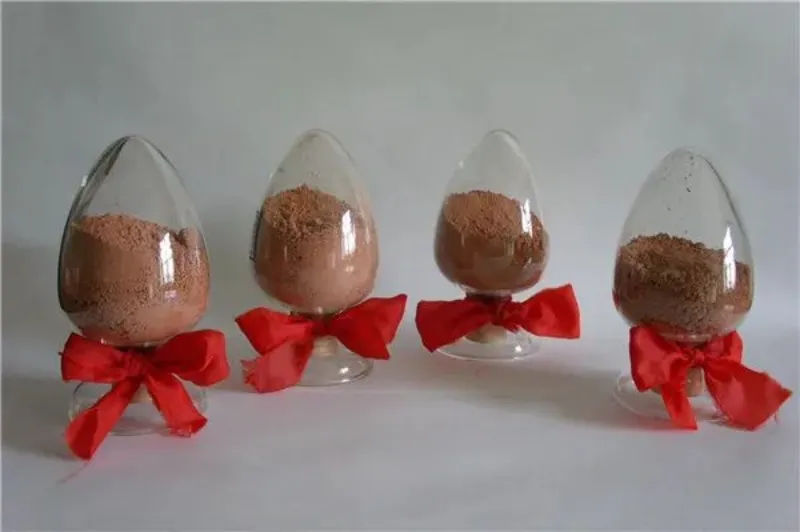
7. Cerium Oxide (CeO₂, Ceria)
Common Modification Methods
Doping modification:
Doping with Zr or La to enhance oxygen storage capacity for automotive exhaust catalysts.
Surface modification:
Treating with silane coupling agents or fatty acids to improve dispersion in polymers.
Nano modification:
Producing nano CeO₂ to enhance catalytic and polishing performance.
Composite modification:
Compounding with TiO₂ or ZnO to enhance UV shielding and antibacterial performance.
Application Fields
Catalysis:
Automotive three-way catalysts and industrial exhaust gas treatment catalysts.
Polishing materials:
Glass polishing slurry (mobile phone screens, optical lenses) and semiconductor wafer polishing.
Daily chemical products:
Antioxidant and sunscreen additive in cosmetics (nano CeO₂).
Ceramics industry:
Ceramic glazes and electronic ceramic additives.
Lithium battery materials:
Electrolyte additives to improve cycle life.
8. Glass Flakes
Common Modification Methods
Surface treatment modification:
Using silane coupling agents (amino, epoxy) or titanates to improve adhesion and compatibility with resins.
Coating modification:
Combining with epoxy resin or vinyl ester resin to produce anti-corrosion coatings.
Surface coating modification:
Coating with ZnO or TiO₂ to provide antibacterial and UV-resistant functions.
Particle size classification:
Selecting different mesh sizes of glass flakes to meet various coating thickness requirements.
Application Fields
Anti-corrosion coatings:
Marine engineering, oil pipelines, and chemical equipment coatings to block corrosive media penetration.
Construction:
Exterior wall waterproof coatings and floor coatings.
Composite materials:
Reinforcement filler for FRP (glass fiber reinforced plastics) to improve corrosion resistance and mechanical properties.
Refractory materials:
High-temperature coatings for equipment and fireproof boards.
9. Nano Carbides (SiC, TiC, WC, etc.) inorganic powder modification
Common Modification Methods
Surface modification:
Using silane coupling agents or organic acids (oxalic acid, citric acid) to improve wettability in metals and ceramics.
Composite modification:
Compounding with metals (Ni, Co) to form cemented carbides, or with ceramics (Al₂O₃) to enhance toughness.
Coating modification:
Coating with metal layers (Cu, Ag) to improve electrical conductivity.
Dispersion modification:
Using ultrasonic dispersion and dispersants (sodium polyacrylate) to solve nanoparticle agglomeration.
Application Fields
Cemented carbides:
Cutting tools, molds (WC-Co alloys), and wear-resistant components (SiC ceramics).
Composite materials:
Metal matrix composites (Al/SiC) and ceramic matrix composites for aerospace components.
Coatings industry:
Wear-resistant coatings for mining and construction machinery and anti-static coatings.
Electronics:
Semiconductor wafer grinding materials and conductive fillers.
New energy:
Additives for lithium battery anode materials (SiC) and cutting materials for photovoltaic cells.
10. Nano Nitrides (Si₃N₄, BN, AlN, etc.)
Common Modification Methods
Surface modification:
Using silane coupling agents or titanates to improve compatibility with resins and metals.
Coating modification:
Coating with SiO₂ or metal layers to improve oxidation resistance in high-temperature environments.
Composite modification:
Combining with Al₂O₃ or ZrO₂ to produce high-performance ceramics.
Dispersion modification:
Using dispersants (polyethylene glycol) and ball milling to solve nanoparticle agglomeration.
Application Fields
Ceramics industry:
High-temperature structural ceramics (Si₃N₄ bearings and engine components) and insulating ceramics (AlN substrates).
Electronics:
Thermal management materials (AlN), thermal conductive fillers (BN), and high-frequency insulating materials.
Composite materials:
Thermally conductive resin composites (BN/epoxy resin) and wear-resistant metal matrix composites.
Lubrication:
Solid lubricants (hexagonal BN) and high-temperature lubrication coatings.
Refractory materials:
Refractory materials for high-temperature kilns and metallurgical furnaces.
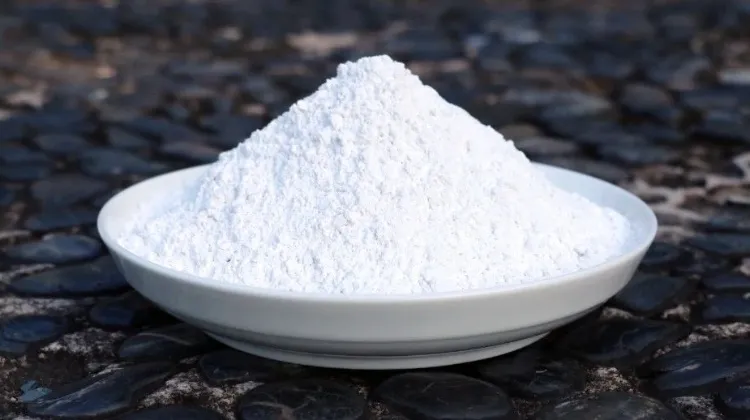
11. Calcium Carbonate (CaCO₃, GCC / PCC / Nano CaCO₃)
Common Modification Methods
Coupling agent modification:
Using stearic acid (salts), titanate, or aluminate coupling agents to reduce oil absorption and improve compatibility with polymers.
Surface coating modification:
Coating with resins or SiO₂ to improve dispersion and processing flowability.
Nano modification:
Producing nano CaCO₃ to enhance toughening effects in plastics and rubber.
Crystal morphology control:
Producing spindle-shaped, cubic, or chain-like CaCO₃ to suit different applications (e.g., chain-like CaCO₃ for rubber reinforcement).
Application Fields
Plastics industry:
Filler for general plastics (PE, PP, PVC) and toughening agent (nano CaCO₃), reducing cost while improving rigidity.
Rubber industry:
Rubber filler for natural rubber and nitrile rubber, improving tensile strength and reducing shrinkage.
Coatings industry:
Filler for interior wall coatings and primers, improving hiding power and application performance.
Paper industry:
Paper filler and coating pigment to increase whiteness and opacity.
Building materials:
Cement filler, artificial stone raw material, and waterproof coating filler.
Conclusion
The core objective of inorganic powder modification is to improve dispersion, enhance interfacial compatibility, and introduce functional properties (such as wear resistance, antibacterial performance, and thermal conductivity). Common modification methods mainly include coupling agent treatment, surface coating, doping or composite modification, and nanostructuring.
These materials are widely applied in plastics, rubber, coatings, ceramics, lithium batteries, daily chemicals, and environmental protection industries. Among them, nano powders are more focused on high-end functional applications (such as photocatalysis, thermal conductivity, and biomedical uses), while conventional powders mainly serve as fillers to reduce costs and improve mechanical properties.
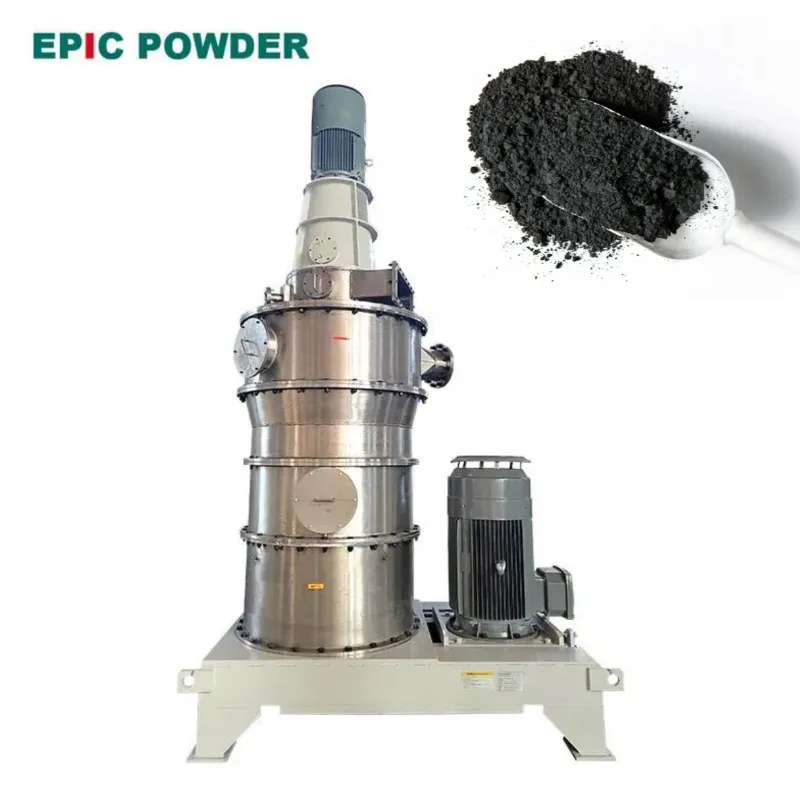
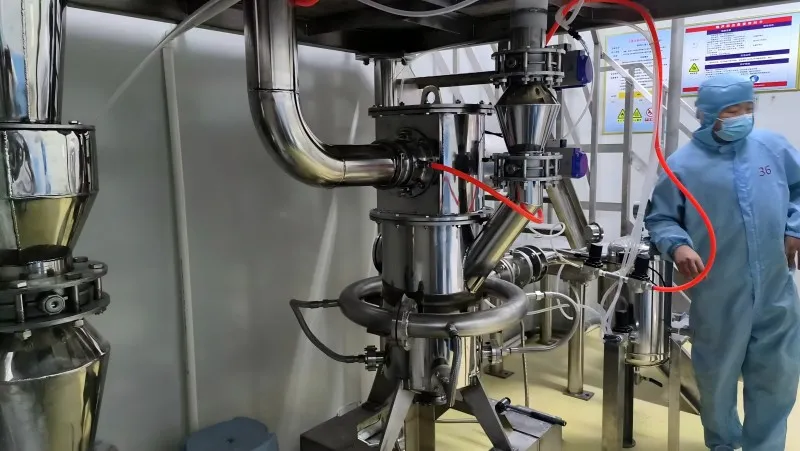
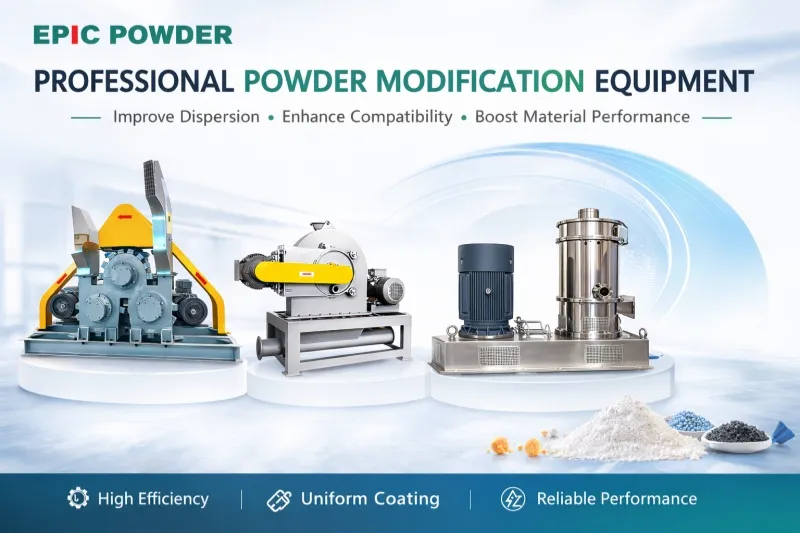
With more than 20 years of experience in ultrafine powder processing, Epic Powder provides a range of advanced surface modification equipment designed to improve the dispersion, compatibility, and functional performance of inorganic powders in polymer materials. The company offers several types of coating machines, including the three-roller coating machine, pin mill coating machine, turbo mill coating machine, and multi-rotor coating machine. These systems enable efficient mixing and uniform coating of surface modifiers such as stearic acid, silane coupling agents, and titanate agents onto powders like calcium carbonate, silica, and alumina. With features such as continuous operation, high coating efficiency, and precise temperature control, Epic Powder’s coating solutions are widely used in plastics, rubber, coatings, and advanced material industries to enhance powder performance and processing efficiency.

“Thanks for reading. I hope my article helps. Please leave a comment down below. You may also contact Zelda online customer representative for any further inquiries.”
— Posted by Emily Chen