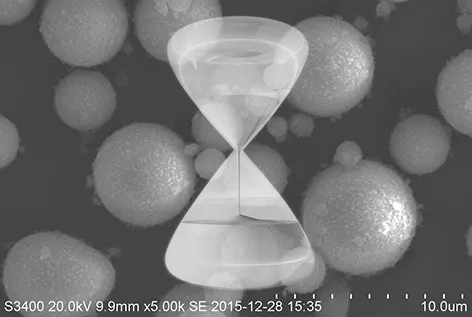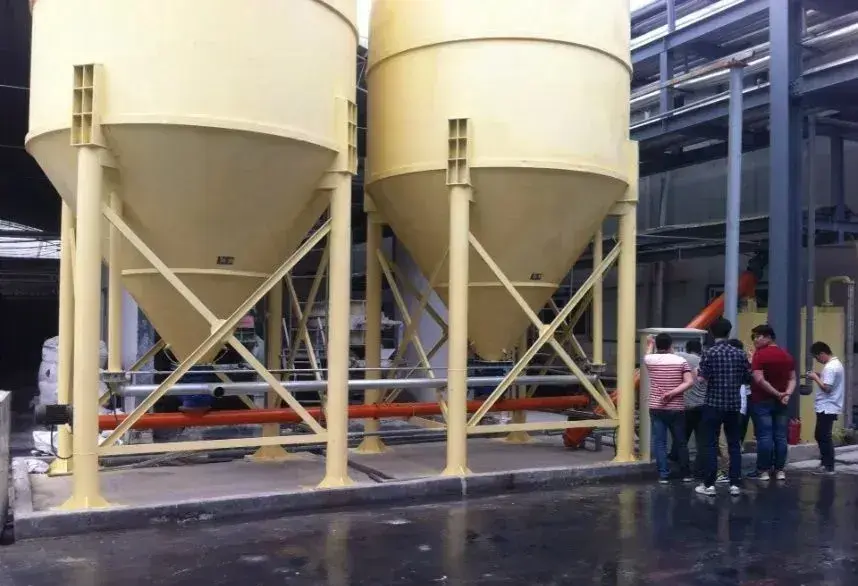
Ceramic products have a long history in China and are an important symbol of the Chinese nation. Ceramics are not only practical but also artistic, playing a significant role in daily life. In the ceramic industry, barium sulfate (BaSO₄) is an essential inorganic raw material. Due to its high chemical stability, hardness, low water absorption, and excellent optical properties, it is widely used in ceramic glazes and ceramic bodies. With the development of modern ultrafine powder processing technologies, the application performance of barium sulfate has been further enhanced.
1. Basic Properties of Barium Sulfate and Ultrafine Powder Characteristics
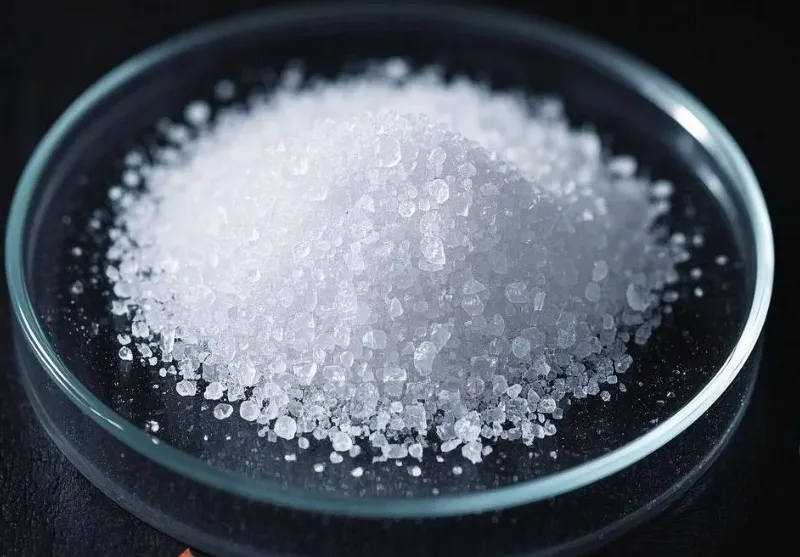
Barium sulfate is a colorless, odorless crystalline solid with stable chemical properties. It is insoluble in water and most organic solvents. At high temperatures, BaSO₄ can react with ceramic raw materials such as alumina (Al₂O₃) and silica (SiO₂) to form stable compounds, improving the physical properties of ceramics.
As the ceramic industry demands finer and higher-performance materials, traditional barium sulfate powders cannot fully meet the requirements of modern high-grade ceramics. To address this, jet mill (air classifier mill) is employed to produce ultrafine barium sulfate powder, achieving a particle size of D100: 4.6 μm. This significantly improves powder dispersion, uniformity, and filling ability, enhancing the overall performance of ceramic glazes and bodies. The ultrafine barium sulfate powder has the following characteristics:
- Fine particle size: With D100 at 4.6 μm, the powder can uniformly fill glaze and body pores, reducing microcracks and porosity, and improving density.
- Excellent dispersibility: Jet milling produces uniform particles with regular morphology, which are easily dispersed in glaze systems, improving flowability and coating performance.
- High specific surface area: The increased surface area enhances interaction with other glaze components, improving hardness, wear resistance, and sintering activity.
2. Applications of Barium Sulfate in Ceramic Glazes
Barium sulfate is most commonly used in ceramic glazes to enhance surface gloss and whiteness. Its high refractive index effectively scatters light, producing a bright and clean appearance. By reducing particle size to D100: 4.6 μm , BaSO₄ can be uniformly distributed in the glaze, forming a dense and smooth surface, which significantly improves visual effect and market competitiveness.
Ultrafine barium sulfate also:
- Increases glaze hardness and wear resistance: The powder forms a composite structure with SiO₂ and Al₂O₃, making the glaze more resistant to corrosion and abrasion.
- Optimizes glaze flow and melting point: Adjusting BaSO₄ content in the formula allows precise control of the melting temperature, improving surface texture and smoothness.
- Enhances anti-fouling and self-cleaning properties: Fine particles fill glaze pores, reduce water absorption, minimize stain adhesion, and its chemical inertness reduces microbial growth.
In high-end tableware and art ceramics, using ultrafine barium sulfate can significantly enhance the fineness, gloss, and durability of the glaze, improving both aesthetic appeal and artistic value.
3. Applications of Barium Sulfate in Ceramic Bodies and Products
Beyond glazes, barium sulfate plays a critical role in ceramic bodies. As a filler, BaSO₄ increases body density, reduces water absorption, and enhances mechanical strength and durability, extending product lifespan.
For ceramic tiles, wall tiles, and industrial ceramics that undergo high pressure or abrasion, incorporating ultrafine BaSO₄ (D100: 4.6 μm) significantly improves compressive strength and wear resistance. Uniformly distributed fine powder makes the body structure denser and reduces shrinkage and cracking during firing.
Barium sulfate is also used in ceramic decoration, incorporated into pigments for pattern painting or engraving. The fine and evenly distributed powder enhances color brightness and pattern delicacy, increasing both visual appeal and artistic value.
4. Improvements through Ultrafine Powder Preparation
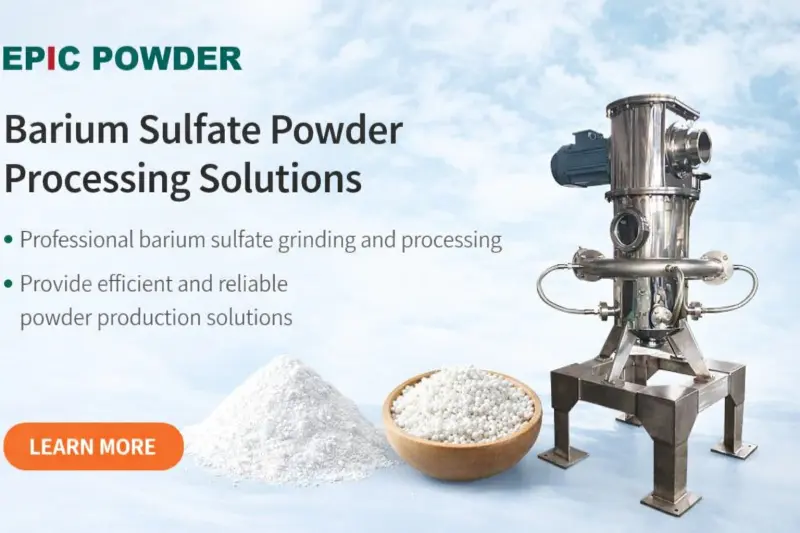
Jet mill, as a core technology for ultrafine powder preparation, offers high-speed airflow pulverization, contamination-free processing, and controllable particle size. By optimizing milling parameters, ultrafine Barium Sulfate (BaSO₄) powder with D100: 4.6 μm can be consistently obtained. Compared with traditional grinding, jet-milled powder offers:
- Uniform particle size distribution: Improves glaze flow, preventing sedimentation or uneven surfaces.
- High purity and low contamination: Ensures chemical stability and high quality of glazes and bodies.
- Strong controllability: Enables precise adjustment of particle size and surface area according to product requirements for customized formula optimization.
5. Future Prospects of Barium Sulfate in the Ceramic Industry
With the development of high-performance ceramics and growing environmental awareness, barium sulfate has broad prospects in the ceramic industry. Its non-toxic, environmentally friendly nature, and low-cost natural availability make it ideal for green ceramic production.
Combining ultrafine powder technologies like jet milling, BaSO₄ not only improves glaze gloss, hardness, and durability but also enhances self-cleaning and anti-fouling properties. It supports sustainable, eco-friendly ceramic manufacturing.
In the future, ultrafine BaSO₄ powder will play a more significant role in high-end art ceramics, functional ceramics, and industrial wear-resistant ceramics, becoming a key material for enhancing performance and promoting sustainable development in the ceramic industry.

“Thanks for reading. I hope my article helps. Please leave a comment down below. You may also contact Zelda online customer representative for any further inquiries.”
— Posted by Emily Chen