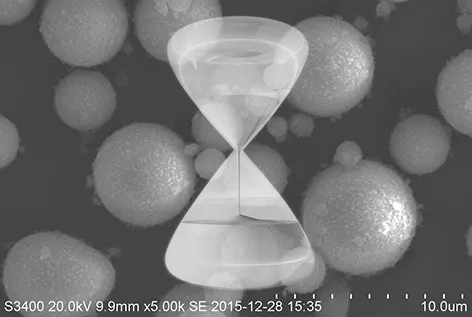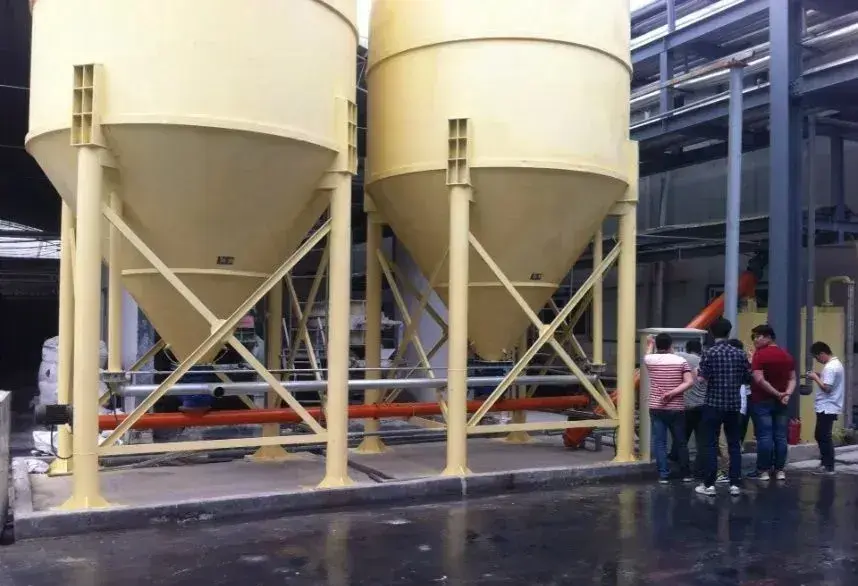
With the rapid development of new energy vehicles and energy storage industries, lithium battery materials are continuously evolving toward higher energy density, improved safety, and longer cycle life. Whether for cathode materials (such as lithium iron phosphate and ternary materials), anode materials (graphite and silicon-based materials), or electrolytes and functional additives, particle size, particle size distribution, and morphology control directly affect electrochemical performance. Ultrafine grinding and classification of lithium battery materials therefore play a decisive role in optimizing powder properties, ensuring consistency, and enhancing overall battery performance, making these technologies critical processes in modern lithium battery material manufacturing.
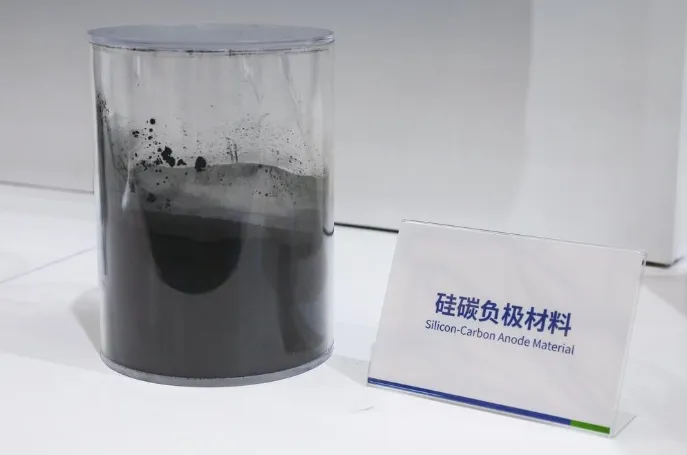
Core Requirements for Ultrafine Grinding and Classification of Lithium Battery Materials
Controllable Particle Size with Narrow Distribution
- Typically, D50 is required to be within 1–10 μm, while some high-end materials demand submicron sizes.
- A narrow particle size distribution helps improve compaction density and material consistency.
Low Contamination and Minimal Metal Impurities
- Lithium battery materials are extremely sensitive to metal impurities such as Fe, Cr, and Ni.
- Equipment should feature wear-resistant, ceramic-lined, or iron-free designs.
Protection of Particle Morphology and Crystal Structure
- Grinding processes must avoid excessive particle breakage, crystal lattice damage, or agglomeration.
Stable Scale-Up and Continuous Production Capability
- Systems must support smooth transitions from pilot-scale testing to large-scale industrial production.
Analysis of Mainstream Ultrafine Grinding Solutions
Jet Mill – The Preferred Choice for High-End Lithium Battery Materials
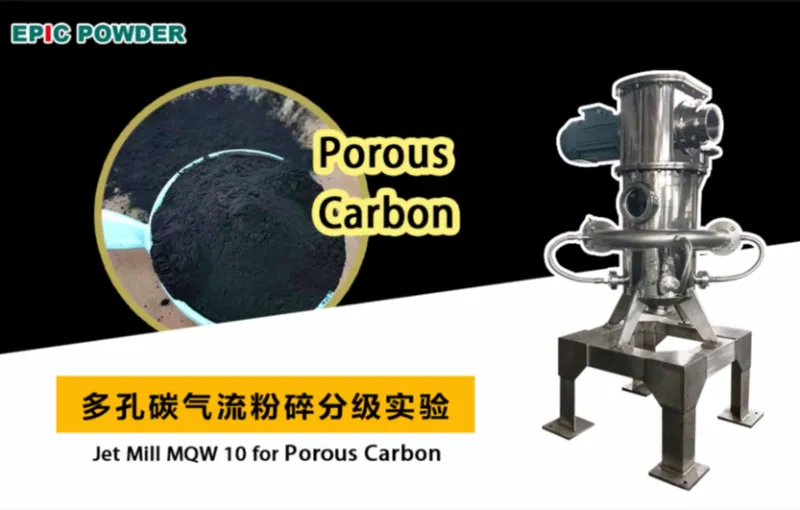
Working Principle:
Particles collide and self-grind through high-speed airflow, achieving ultrafine size reduction without grinding media.
Advantages:
- No grinding media, resulting in extremely low contamination
- Capable of achieving D97 < 5 μm, even reaching submicron levels
- Especially suitable for ternary cathode materials, silicon-based anodes, and electrolyte powders
Typical Applications:
- High-purity and high-value lithium battery materials
- Applications requiring extremely tight particle size control
Air Classifier Mill – Integrated Grinding and Classification
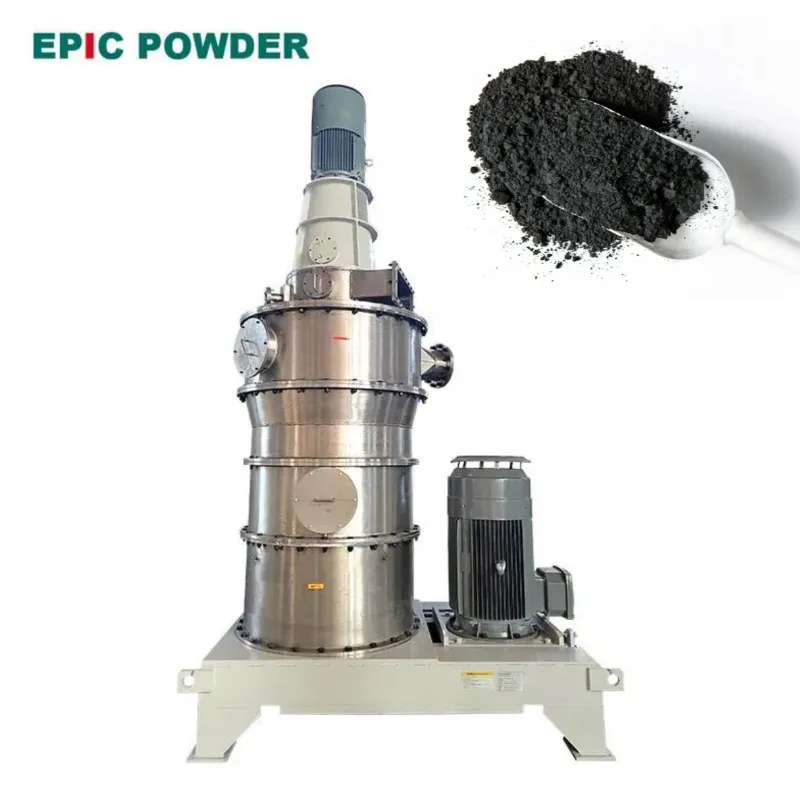
Working Principle:
Impact grinding combined with a dynamic classifier wheel enables a closed-loop system of grinding, classification, and re-grinding.
Advantages:
- Precise particle size control with minimal over-grinding
- Lower energy consumption compared with jet mills
- Ideal for continuous, large-scale production
Suitable Materials:
- Lithium iron phosphate (LFP)
- Lithium salts such as lithium carbonate and lithium hydroxide
- Functional powders before or after surface coating
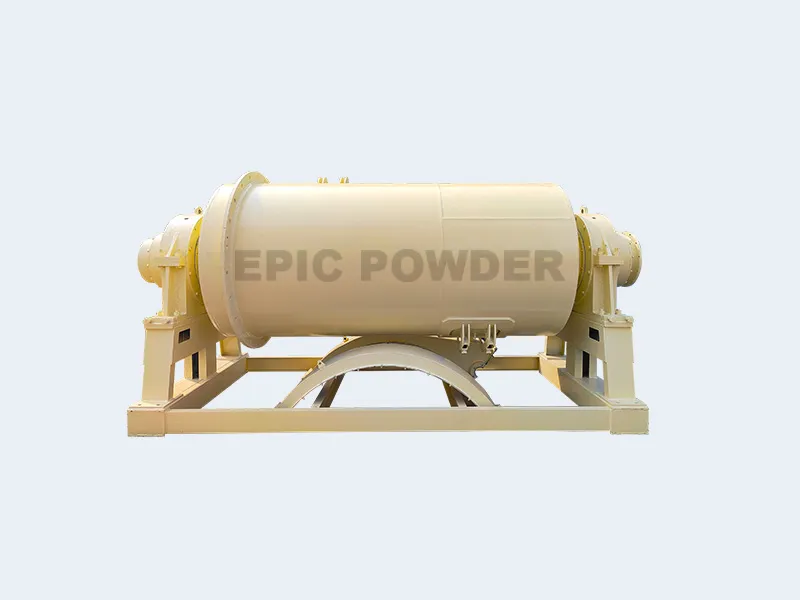
Ball Mill + Precision Classification System – A Proven Industrial Solution
Process Features:
- The ball mill performs efficient fine grinding
- An external or integrated air classifier controls final particle size
Advantages:
- Mature technology with cost-effective investment
- Easy scale-up with a wide production capacity range
Key Considerations:
- Strict control of grinding media wear is required
- Ceramic linings and zirconia grinding media are recommended
The Critical Role of Precision Classification in Lithium Battery Materials
Regardless of the grinding method used, high-efficiency air classification is the key factor determining final product quality:
- Accurate cut point control ensures stable D97 and D90 values
- Reduces coarse particles and excessive fines
- Improves powder flowability and compaction performance
Today, high-speed turbo classifiers with variable-frequency classifier wheels have become standard equipment in lithium battery material production lines.
System-Level Solutions: From Equipment to Process Optimization
Effective ultrafine grinding and classification is not achieved by a single machine but through a systematic engineering approach:
- Coordinated design of grinding and classification equipment
- Inert gas protection to prevent material oxidation
- Online particle size monitoring for closed-loop control
- Modular and customized production lines tailored to different material systems
Taking Epic Powder as an example, its jet mills, air classifier mills, and ball mill–classifier production lines have been widely applied in the ultrafine processing of cathode materials, anode materials, lithium salts, and functional additives, achieving an optimal balance between high purity, operational stability, and large-scale production.
Conclusion
As lithium battery materials continue to advance toward higher performance, the importance of ultrafine grinding and precision classification technologies will only increase. By selecting appropriate solutions—such as jet mills, air classifier mills, or ball mill–classifier systems—and integrating advanced classification and system-level process design, manufacturers can significantly enhance material performance while strengthening their competitive advantage in the lithium battery industry.
Choosing the right solution is essentially an investment in battery performance and future product competitiveness.

“Thanks for reading. I hope my article helps. Please leave a comment down below. You may also contact Zelda online customer representative for any further inquiries.”
— Posted by Emily Chen