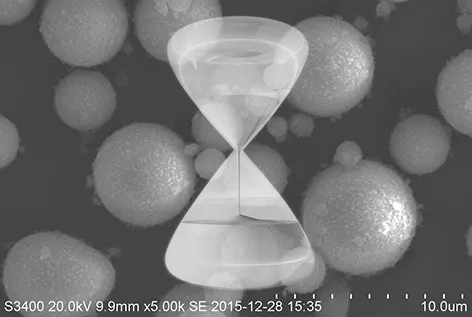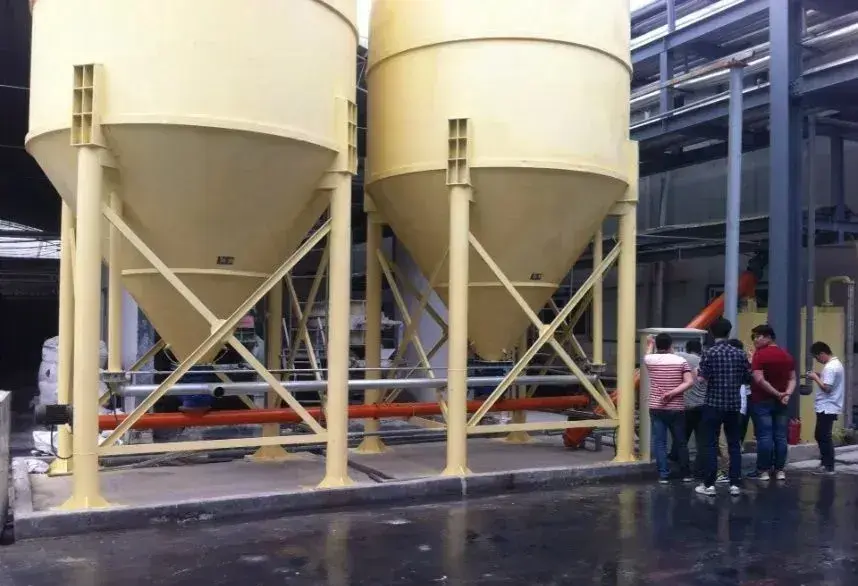
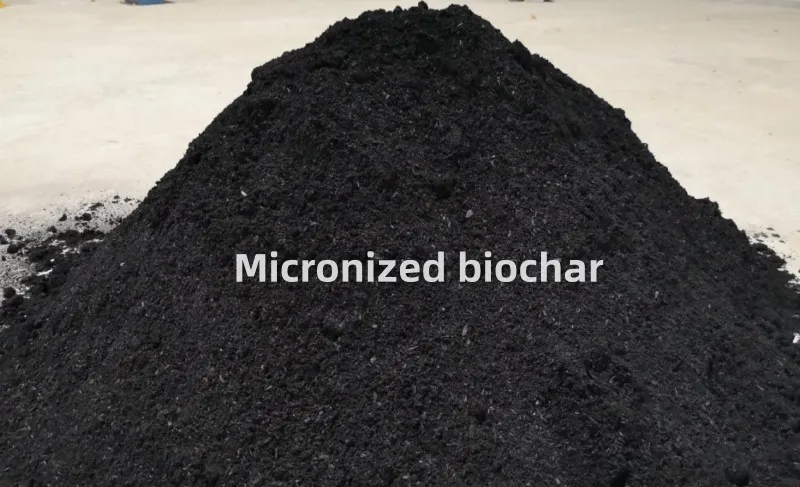
Than sinh học dạng vi hạt — than sinh học được nghiền mịn với kích thước hạt thường nằm trong phạm vi micromet (thường D50 < 10–20 μm hoặc thậm chí dưới micromet) — đã thu hút sự chú ý đáng kể cho các ứng dụng tiên tiến như xử lý môi trường, cải thiện đất, xúc tác, siêu tụ điện, vật liệu pin và hấp phụ chất ô nhiễm. Chìa khóa để khai thác tối đa tiềm năng của nó nằm ở việc tối đa hóa diện tích bề mặt riêng (thường >500–1000 m²/g hoặc cao hơn trong các dạng được chế tạo) đồng thời bảo toàn hoặc tăng cường độ xốp, các nhóm chức và tính toàn vẹn cấu trúc.
Trong số các công nghệ giảm kích thước khác nhau — bao gồm nghiền bi (khô/ướt/năng lượng cao), nghiền búa, nghiền trục lăn và các công nghệ khác — nghiền tia (đặc biệt là nghiền tia đối lưu tầng sôi) nổi bật như phương pháp công nghiệp và nghiên cứu được ưa chuộng để sản xuất than sinh học siêu mịn có diện tích bề mặt lớn. Sự ưa chuộng này xuất phát từ cơ chế độc đáo và những ưu điểm về hiệu suất được thiết kế riêng cho các đặc tính của than sinh học.
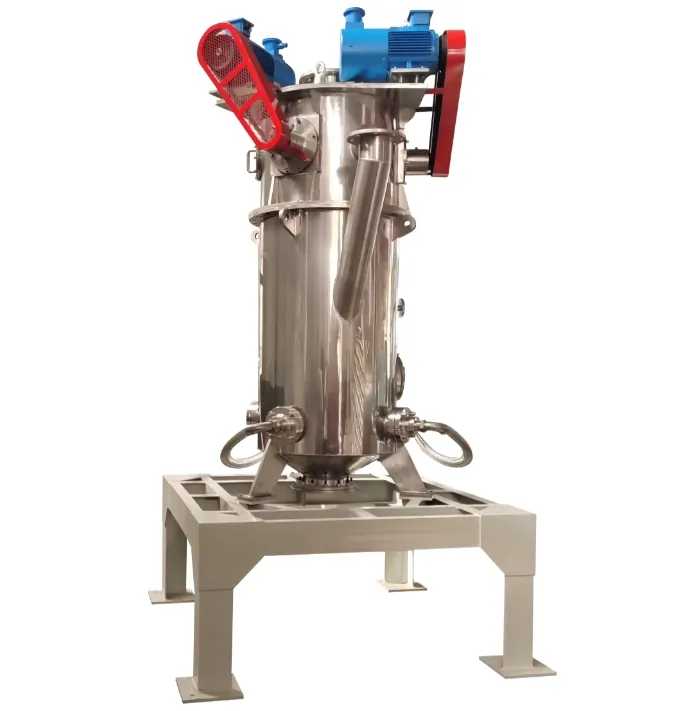
Nguyên lý hoạt động của Phay tia nước đối với than sinh học
Máy nghiền tia, đặc biệt là máy nghiền tia đối lưu tầng sôi, đạt được sự giảm kích thước thông qua các va chạm giữa các hạt với vận tốc cao chứ không phải bằng tác động cơ học:
- Than sinh học đã được tiền nhiệt phân (thường có kích thước <1–3 mm sau khi nghiền sơ bộ) được đưa vào buồng nghiền.
- Không khí nén áp suất cao (hoặc khí trơ như nitơ để đảm bảo an toàn) được tăng tốc qua các vòi phun Laval đến tốc độ siêu âm (~300–500 m/s hoặc cao hơn).
- Các hạt bị cuốn theo các luồng phản lực đối lập hoặc giao nhau, dẫn đến các va chạm mạnh giữa các hạt làm chúng bị vỡ.
- Bộ phân loại động tích hợp (bánh xe quay) liên tục tách các hạt mịn khỏi các hạt thô; sản phẩm siêu mịn đạt tiêu chuẩn sẽ thoát ra cùng với luồng khí, trong khi các hạt quá cỡ sẽ được đưa trở lại để nghiền thêm.
- Hệ thống tầng sôi đảm bảo khả năng trộn đều tuyệt vời, ngăn ngừa các vùng chết và cho phép vận hành tiết kiệm năng lượng và được kiểm soát.
Quá trình tự mài không cần chất trung gian này về cơ bản khác với các phương pháp phay cơ học.
Những lý do chính khiến phương pháp nghiền bằng tia nước (Jet Milling) vượt trội trong việc tạo ra than sinh học siêu mịn có diện tích bề mặt lớn
Khả năng bảo tồn và phát triển vượt trội về độ xốp và diện tích bề mặt bên trong.
Giá trị của than sinh học chủ yếu đến từ cấu trúc vi xốp và trung xốp vốn có được tạo ra trong quá trình nhiệt phân. Các phương pháp cơ học như nghiền bi thường làm sụp đổ hoặc tắc nghẽn các lỗ xốp này do lực cắt cao, sự nén chặt và nhiệt độ cục bộ — dẫn đến sự gia tăng chủ yếu diện tích bề mặt bên ngoài nhưng đôi khi làm giảm tổng độ xốp hoặc thể tích vi xốp.
Phương pháp phay bằng tia khí, dựa trên các va chạm tốc độ cao trong dòng khí, có xu hướng làm lộ và mở các lỗ rỗng hiện có mà không gây ra hư hại cấu trúc nghiêm trọng. Điều này dẫn đến hiệu suất cao hơn. tổng diện tích bề mặt riêng (BET) và khả năng duy trì/phát triển tốt hơn của cấu trúc vi xốp, điều này rất quan trọng đối với các ứng dụng hấp phụ khí, xúc tác và lưu trữ ion.
Ít tạp chất & Độ tinh khiết cao
Không có vật liệu nghiền (bi, thanh hoặc lớp lót) tiếp xúc với nguyên liệu, loại bỏ sự nhiễm bẩn kim loại hoặc gốm sứ — một vấn đề lớn trong quá trình nghiền bằng bi, đặc biệt là đối với than sinh học có độ tinh khiết cao được sử dụng trong xử lý môi trường, điện cực pin hoặc các ứng dụng thực phẩm/nông nghiệp. Than sinh học được nghiền bằng tia khí duy trì độ sạch vượt trội.
Hoạt động ở nhiệt độ thấp (Giảm thiểu suy hao nhiệt)
Sự giãn nở nhanh chóng của khí trong các vòi phun và buồng tạo ra hiệu ứng làm mát mạnh (sự giãn nở Joule-Thomson), giữ cho nhiệt độ sản phẩm gần với nhiệt độ môi trường hoặc thậm chí thấp hơn. Điều này ngăn ngừa sự bay hơi nhiệt, mất các nhóm chức chứa oxy (–OH, –COOH) hoặc sự graphit hóa không mong muốn — bảo toàn cấu trúc hóa học bề mặt rất quan trọng cho quá trình hấp phụ và phản ứng.
Phân bố kích thước hạt hẹp và kiểm soát chính xác
Bộ phân loại tích hợp cho phép tạo ra các điểm cắt sắc nét và phân bố kích thước hạt dốc (giá trị span thấp). Tính đồng nhất này giúp tăng cường tính ổn định hiệu suất trong các ứng dụng như chất thay thế than hoạt tính hoặc chất phụ gia dẫn điện, nơi mà lượng hạt mịn hoặc hạt thô quá mức làm giảm hiệu quả.
An toàn đối với bụi than sinh học dễ cháy/nổ.
Bụi than sinh học thường dễ cháy hoặc dễ nổ (đặc biệt là các loại có hàm lượng carbon cao, hàm lượng tro thấp). Máy nghiền tầng sôi dạng tia có thể hoạt động trong môi trường khí trơ (N₂) trong hệ thống khép kín, ngăn ngừa quá trình oxy hóa hoặc bắt lửa — một lợi thế quan trọng so với các máy nghiền cơ khí hở.
Nghiền siêu mịn hiệu quả mà không gây vón cục.
Quá trình nghiền bi năng lượng cao có thể gây ra hiện tượng vón cục nghiêm trọng trong thời gian dài do lực van der Waals, liên kết hydro (từ các nhóm chức lộ ra) hoặc sự nén chặt — hạn chế độ mịn và diện tích bề mặt đạt được. Cơ chế hóa lỏng và va chạm của quá trình nghiền bằng tia khí phân tán các hạt hiệu quả, cho phép sản xuất ổn định than sinh học kích thước micron hoặc thậm chí dưới micron mà không bị vón cục quá mức.
So sánh với Nghiền bi (Phương án thay thế phổ biến nhất)
| Diện mạo | Nghiền bằng tia nước (Giường tầng sôi) | Nghiền bi năng lượng cao |
|---|---|---|
| Cơ chế | Va chạm giữa các hạt trong dòng khí | Tác động và lực cắt của môi trường-hạt |
| Sự ô nhiễm | Hầu như không có | Sự mài mòn kim loại/gốm thường gặp |
| Nhiệt độ | Gần nhiệt độ môi trường xung quanh (hiệu ứng làm mát) | Các điểm nóng cục bộ, hệ thống sưởi tổng thể |
| Bảo tồn độ xốp | Tuyệt vời (làm mở/lộ lỗ chân lông) | Thường làm xẹp lỗ chân lông hoặc giảm kích thước lỗ chân lông siêu nhỏ. |
| Tăng diện tích bề mặt | Tổng diện tích bề mặt BET cao, khả năng giữ nước tốt trong các lỗ xốp nhỏ. | Diện tích bên ngoài lớn, tổng diện tích thay đổi |
| Rủi ro tập trung | Thấp (phân tán do quá trình hóa lỏng) | Cao trong các cuộc chạy dài. |
| Năng lượng trên mỗi tấn (siêu mịn) | Giá cao hơn, nhưng hiệu quả về độ tinh khiết/chất lượng. | Chi phí ban đầu thấp hơn, nhưng hao mòn vật liệu sẽ làm tăng thêm chi phí. |
| An toàn (bụi dễ cháy nổ) | Tương thích với khí trơ | Nguy cơ cao hơn trong không khí |
Mặc dù nghiền bi có giá thành rẻ hơn, quy mô lớn hơn và được nghiên cứu rộng rãi cho việc sản xuất nano-biochar ở quy mô phòng thí nghiệm, nhưng nghiền tia nước lại chiếm ưu thế hơn khi cần thiết. diện tích bề mặt cao, bảo tồn độ xốp, sự tinh khiết, Và sản phẩm siêu mịn đồng nhất được ưu tiên — đặc biệt là ở quy mô thí điểm hoặc thương mại.
Ứng dụng Ưu tiên Lái xe
- Hấp phụ và xử lý tiên tiến — Diện tích bề mặt tiếp xúc lớn hơn và các lỗ xốp được bảo toàn giúp tăng cường khả năng loại bỏ kim loại nặng, thuốc nhuộm, PFAS, kháng sinh, v.v.
- Lưu trữ năng lượng — Than sinh học dạng vi hạt có diện tích bề mặt lớn đóng vai trò là điện cực siêu tụ điện hoặc chất phụ gia cho pin với khả năng khuếch tán ion tốt hơn.
- Xúc tác — Các nhóm chức lộ ra và các khuyết tật làm tăng cường hoạt hóa persulfat hoặc các chất oxy hóa khác.
- Đất và các ứng dụng trong nông nghiệp — Các hạt mịn hơn với diện tích bề mặt tối đa giúp cải thiện khả năng giữ chất dinh dưỡng/nước mà không gây ra vấn đề bụi.
Phần kết luận
Nghiền bằng tia khí, đặc biệt là nghiền bằng tia khí đối lưu trong tầng sôi, được coi là phương pháp ưu tiên để sản xuất than sinh học siêu mịn có diện tích bề mặt lớn. Công nghệ này cân bằng một cách độc đáo giữa việc giảm kích thước siêu mịn với việc bảo toàn các đặc tính quý giá nhất của than sinh học, bao gồm độ xốp bên trong rộng rãi, thành phần hóa học bề mặt phong phú, độ tinh khiết cao và tính toàn vẹn cấu trúc tuyệt vời. Mặc dù nghiền bằng tia khí đòi hỏi vốn đầu tư và tiêu thụ năng lượng cao hơn so với các phương pháp nghiền cơ học thông thường, nhưng khả năng mang lại chất lượng sản phẩm vượt trội một cách nhất quán khiến nó trở thành công nghệ được lựa chọn cho các ứng dụng có giá trị cao và hiệu suất quan trọng trong các lĩnh vực môi trường, năng lượng và vật liệu tiên tiến. Khi nhu cầu về than sinh học được chế tạo tiếp tục tăng, nghiền bằng tia khí dự kiến sẽ đóng vai trò ngày càng quan trọng trong việc thu hẹp khoảng cách giữa đổi mới quy mô phòng thí nghiệm và sản xuất quy mô công nghiệp.

Cảm ơn bạn đã đọc. Tôi hy vọng bài viết của tôi hữu ích. Vui lòng để lại bình luận bên dưới. Bạn cũng có thể liên hệ với bộ phận chăm sóc khách hàng trực tuyến của Zelda nếu có bất kỳ thắc mắc nào khác.
— Đăng bởi Emily Chen