Cùng với sự phát triển của xã hội và tiến bộ công nghệ không ngừng, nhiều vật liệu mới với các đặc tính độc đáo đã được phát hiện và nhanh chóng trở nên phổ biến.
Khi giới thiệu những vật liệu này, đặc biệt là trong giới chuyên môn, người ta thường gọi chúng là “những vật liệu triển vọng nhất của thế kỷ 21” hoặc “những vật liệu định hình thế kỷ”, nhấn mạnh tầm quan trọng chiến lược của chúng trong việc định hình tương lai. công nghệ vật liệu mới.
Nhưng liệu chúng có thực sự xứng đáng với những danh hiệu đó? Hãy cùng xem xét kỹ hơn các vật liệu này và đánh giá tiềm năng của chúng từ góc độ vật liệu mới.
Graphene
Năm 2004, Andrew Geim, Konstantin Novoselov và các đồng nghiệp đã tách thành công graphene đơn lớp từ than chì dạng vảy bằng phương pháp bóc tách cơ học.
Cột mốc này đánh dấu sự ra đời của cái gọi là “Ông vua của những chất liệu mới” và tiết lộ các đặc tính điện, cơ học và nhiệt phi thường của graphene.
Graphene là một tinh thể hai chiều được cấu tạo từ các nguyên tử carbon xếp khít nhau.
Hiện nay, nó là loại vật liệu nano mỏng nhất và bền nhất được biết đến.
Nó có đặc điểm là độ dày siêu mỏng, trọng lượng siêu nhẹ, độ dẻo dai vượt trội, độ bền cực cao, khả năng dẫn điện xuất sắc, khả năng dẫn nhiệt tuyệt vời và độ trong suốt quang học cao.
Nhờ sự kết hợp giữa độ linh động điện tử cao, điện trở suất thấp, độ bền cơ học vượt trội và khả năng tản nhiệt tuyệt vời, graphene thể hiện tiềm năng to lớn trong các lĩnh vực điện tử, quang học, từ học, y sinh học, xúc tác, lưu trữ năng lượng và cảm biến.
Nó được xem là một vật liệu quan trọng sẽ định hình cuộc cạnh tranh công nghệ cao trong tương lai.
Sợi carbon
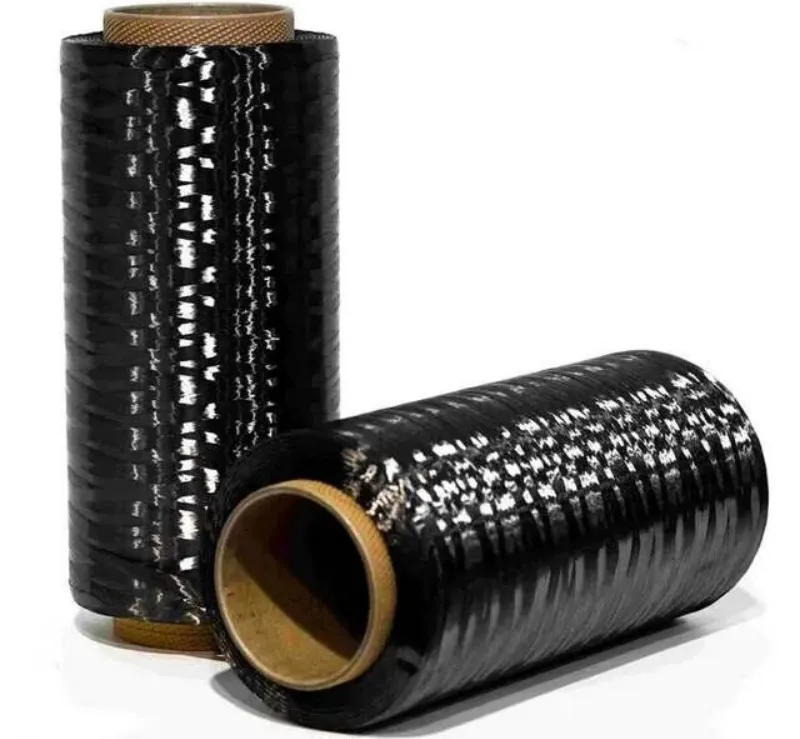
Sợi carbon là một loại vật liệu mới nổi bật khác trong lĩnh vực vật liệu tiên tiến. Nó được sản xuất bằng cách cacbon hóa các sợi hữu cơ ở nhiệt độ cao trong môi trường khí trơ, loại bỏ các nguyên tố không phải carbon.
Thường được gọi là “vàng đen” Trong công nghiệp, sợi carbon có độ bền gấp 5 đến 8 lần thép, trong khi trọng lượng chỉ bằng một phần tư.
Nó có đặc điểm là độ bền cao, mật độ thấp, chịu nhiệt độ cao và chống ăn mòn.
Sợi carbon là vật liệu được ưa chuộng để gia cường vật liệu nhẹ và được coi là nguồn tài nguyên chiến lược cho nền kinh tế quốc gia và ngành công nghiệp quốc phòng.
Ống nano carbon
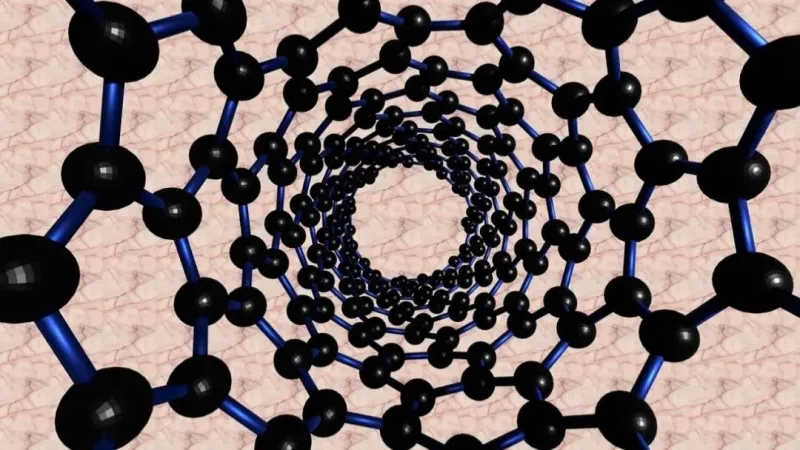
Kể từ khi được phát hiện vào năm 1991, ống nano carbon vẫn luôn là một trọng tâm nghiên cứu chính.
Các nhà khoa học trên toàn thế giới đã nghiên cứu sâu rộng các đặc tính nhiệt và điện của chúng. Ống nano carbon được hình thành bằng cách cuộn các tấm graphene đơn lớp hoặc đa lớp.
Chúng có thể được phân loại là ống nano đơn vách, ống nano hai vách hoặc ống nano đa vách.
Nhờ kích thước cực nhỏ, ống nano carbon thậm chí có thể đi vào bên trong tế bào. Cấu trúc độc đáo của chúng mang lại độ bền cơ học vượt trội, độ linh động của chất mang rất cao, khe năng lượng có thể điều chỉnh, hiệu suất nhiệt tuyệt vời, các đặc tính quang học và điện học, và độ ổn định hóa học. Những ưu điểm tổng hợp này làm cho ống nano carbon trở nên rất hứa hẹn trong các vật liệu kỹ thuật, thiết bị điện tử, lưu trữ năng lượng, cảm biến quang và các ứng dụng y sinh.
Kim cương
Kim cương là vật liệu tự nhiên cứng nhất được biết đến, với độ cứng Mohs là 10.
Trong lĩnh vực xử lý vật liệu, kim cương gần như không có đối thủ. Kim cương cũng sở hữu một trong những hệ số dẫn nhiệt cao nhất trong tự nhiên, dao động từ 200 đến 2200 W/(m·K). Ngoài ra, kim cương là chất bán dẫn có dải năng lượng cực rộng với độ rộng vùng cấm là 5,5 eV.
Nó có độ linh động điện tử cao, tốc độ bão hòa cao, cường độ điện trường đánh thủng cực cao và độ dẫn nhiệt vượt trội. Chỉ số chất lượng Johnson của các thiết bị điện tử sử dụng kim cương cao hơn khoảng mười lần so với silicon carbide (SiC).
Khi công nghệ điện tử công suất SiC và GaN ngày càng hoàn thiện, những yêu cầu mới đang thúc đẩy sự phát triển của các thiết bị điện tử công suất thế hệ tiếp theo. Kim cương được đánh giá rộng rãi là vật liệu triển vọng nhất cho các thiết bị điện tử công suất cao, tần số cao, nhiệt độ cao và tổn hao thấp, do đó nó được mệnh danh là "kim cương kim cương". “Chất bán dẫn tối ưu.”
Silicon Carbide (SiC)
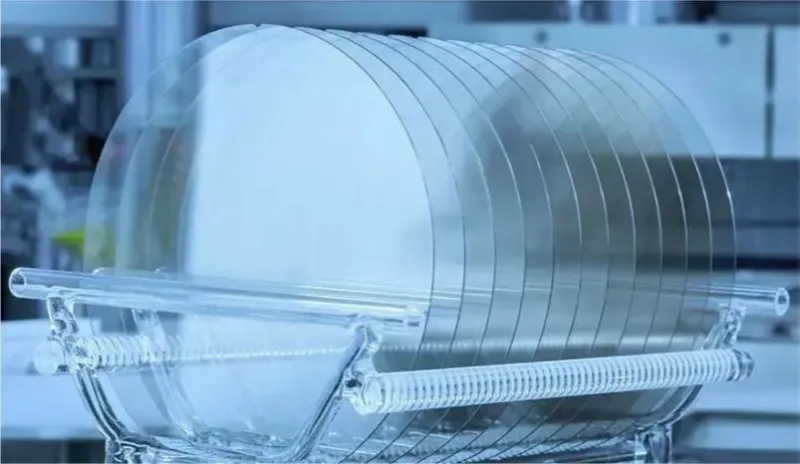
Silicon carbide hiện là vật liệu bán dẫn thế hệ thứ ba hoàn thiện nhất.
Trong những năm gần đây, vật liệu này đã đạt được đà phát triển vượt bậc. Theo chiến lược “carbon kép” toàn cầu, SiC đã được tích hợp sâu rộng vào các ngành công nghiệp xe năng lượng mới, quang điện và lưu trữ năng lượng. Do đó, nó thường được mô tả là một vật liệu bán dẫn… “Cất cánh.”
Gốm sứ tiên tiến
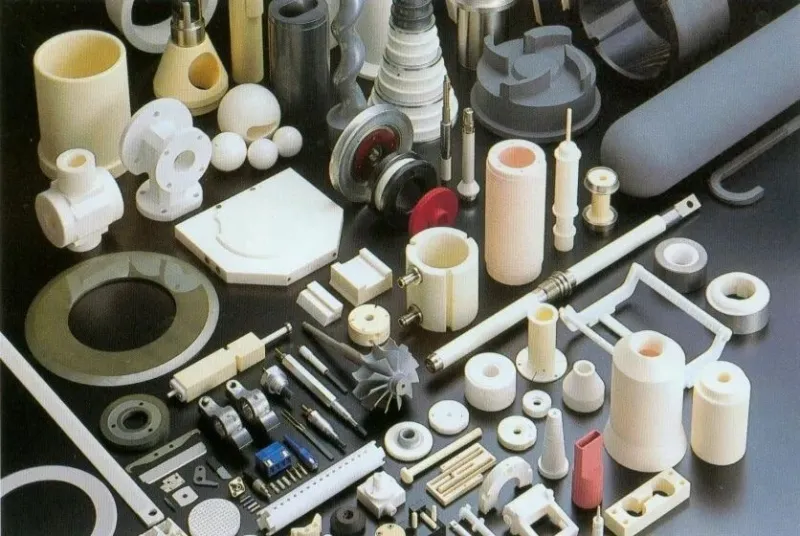
Gốm sứ tiên tiến—còn được gọi là gốm sứ cao cấp, gốm sứ kỹ thuật hoặc gốm sứ hiệu năng cao—là một trong ba loại vật liệu rắn chính, cùng với kim loại và polyme. Thay vì đề cập đến một loại vật liệu duy nhất, gốm sứ tiên tiến bao gồm một họ vật liệu rộng lớn. Hầu hết chúng đều thể hiện các đặc tính cơ học, âm học, quang học, nhiệt học, điện học và sinh học tuyệt vời.
Chúng được sử dụng rộng rãi trong ngành hàng không vũ trụ, công nghệ thông tin điện tử, kỹ thuật y sinh và sản xuất thiết bị cao cấp. Mặc dù gốm sứ đã được sử dụng trong bugi ô tô từ đầu thế kỷ 20, nhưng tiềm năng của chúng vẫn tiếp tục mở rộng. Từ các bộ phận cơ khí truyền thống đến xe năng lượng mới và thiết bị bán dẫn, tương lai của gốm sứ tiên tiến vẫn còn rất rộng mở.
Vật liệu siêu dẫn
Vật liệu siêu dẫn thể hiện điện trở bằng không dưới một nhiệt độ tới hạn nhất định. Ba đặc tính nổi bật của chúng—điện trở bằng không, tính nghịch từ hoàn hảo và hiệu ứng xuyên hầm—đã thu hút sự chú ý trên toàn cầu. Ứng dụng nổi tiếng nhất của chúng là trong lưới điện. Do điện trở được loại bỏ, tổn thất truyền tải điện năng có thể giảm từ 10–20%, mang lại tiết kiệm năng lượng đáng kể.
Aerogel
Aerogel là vật liệu rắn nhẹ với cấu trúc mạng lưới xốp nano.
Thường được gọi là “Khói đặc,” Chúng bao gồm tới 99,81 TP3T không khí. Chúng có đặc điểm là độ xốp cực cao, diện tích bề mặt riêng lớn, mật độ cực thấp và độ dẫn nhiệt rất thấp.
Tóm lại, chúng siêu nhẹ, siêu bền và có khả năng cách nhiệt cao. Aerogel được sử dụng rộng rãi trong xúc tác, cách nhiệt và các ứng dụng tiên tiến khác, nhờ đó mà chúng được mệnh danh là "vật liệu kỳ diệu".
Kim loại lỏng
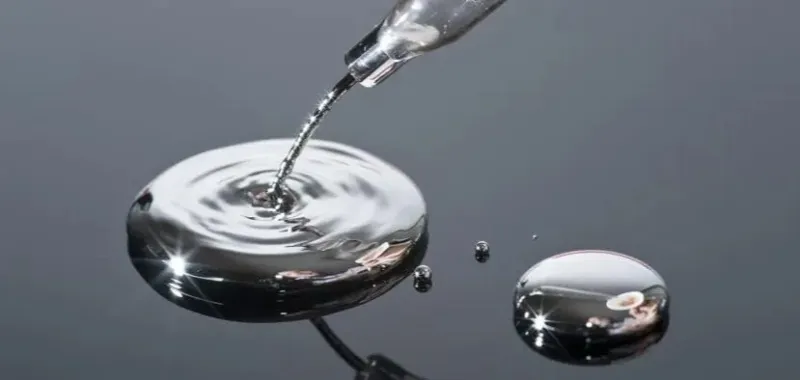
Kim loại lỏng là kim loại hoặc hợp kim có điểm nóng chảy gần hoặc thấp hơn nhiệt độ phòng.
Chúng vẫn ở trạng thái lỏng ở nhiệt độ môi trường hoặc hơi cao hơn. Một số ví dụ phổ biến bao gồm thủy ngân (Hg), gali (Ga), rubidi (Rb) và xesi (Cs). Kim loại lỏng sở hữu khả năng dẫn điện và dẫn nhiệt vượt trội, cao nhất trong số các vật liệu lỏng đã biết. Chúng kết hợp các đặc tính kim loại với tính chất lỏng, khiến chúng trở thành vật liệu đa chức năng linh hoạt.
Khung kim loại-hữu cơ (MOF)
Trong những năm gần đây, khung kim loại-hữu cơ (MOF) đã nổi lên như một loại vật liệu xốp tinh thể mới. Chúng đã thu hút sự chú ý rộng rãi trên toàn thế giới. Không giống như các vật liệu xốp truyền thống như zeolit và than hoạt tính, MOF được hình thành bằng cách tự lắp ráp các ion hoặc cụm kim loại với các phối tử hữu cơ thông qua liên kết phối hợp.
Cấu trúc độc đáo này mang lại cho MOF độ trật tự cấu trúc cao và khả năng điều chỉnh, dẫn đến nhiều đặc tính và chức năng đa dạng.
Hợp kim nhẹ
Hợp kim titan có độ bền cao, độ dẻo tốt, khả năng chống ăn mòn và không nhiễm từ. Ngoài hợp kim titan, các hợp kim nhẹ khác còn bao gồm hợp kim nhôm và magie. Hợp kim nhôm đã được sử dụng rộng rãi trong nhiều thập kỷ trong ô tô và tàu thuyền. Hợp kim magie, kim loại kết cấu nhẹ nhất được sử dụng thực tế, được coi là một trong những vật liệu quan trọng nhất để giảm trọng lượng xe.
Polyether Ether Ketone (PEEK)
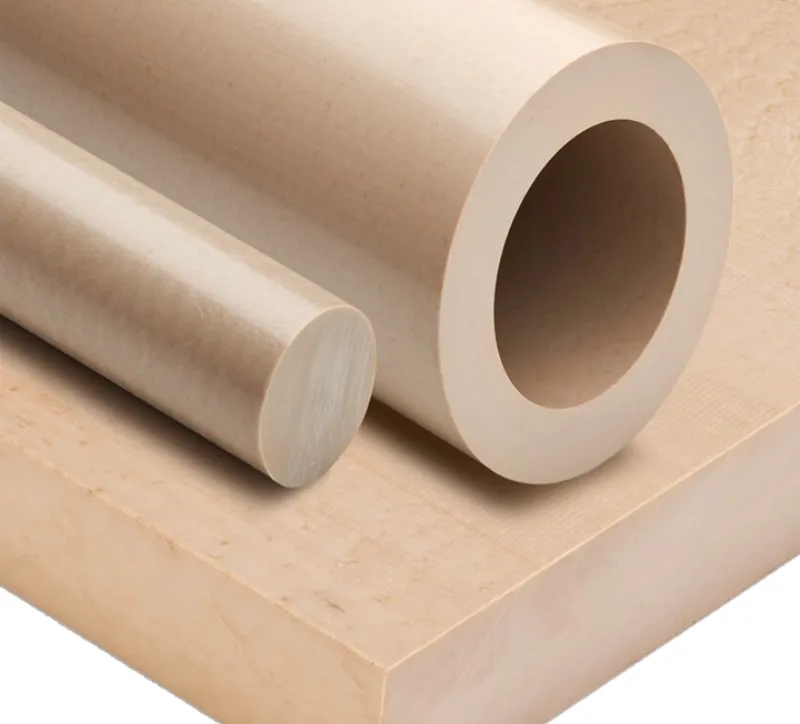
Polyether ether ketone (PEEK) là một loại nhựa nhiệt dẻo bán tinh thể, mạch thẳng, hiệu năng cao và là vật liệu mới tiêu biểu trong lĩnh vực polymer kỹ thuật tiên tiến. Cấu trúc phân tử của nó bao gồm các nhóm ketone, liên kết ether và vòng thơm, tạo thành một cấu trúc hoàn toàn thơm. PEEK có các đặc tính cơ học, độ ổn định nhiệt và khả năng kháng hóa chất tuyệt vời. Kể từ khi ra mắt, nó đã được coi là một vật liệu mới quan trọng cho các ứng dụng quốc phòng và hàng không vũ trụ.
Màng mỏng Lithium Niobate (LiNbO₃)
Lithium niobate là một hợp chất của lithi, niobi và oxy. Nó là một tinh thể sắt điện với độ phân cực tự phát mạnh và nhiệt độ Curie cao nhất được biết đến trong số các vật liệu sắt điện. Lithium niobate thể hiện hiệu ứng điện quang mạnh, các đặc tính có thể điều chỉnh, độ ổn định hóa học và cửa sổ truyền dẫn quang rộng.
Nếu như truyền thông quang học là “xa lộ” của sức mạnh tính toán AI, thì các bộ điều biến niobat lithium màng mỏng chính là “trạm sạc siêu nhanh”. Chúng trực tiếp quyết định tốc độ truyền dữ liệu, hiệu quả và độ ổn định. Ngoài truyền thông quang học và tính toán AI, niobat lithium màng mỏng còn cho thấy tiềm năng lớn trong LiDAR, truyền thông lượng tử và laser siêu nhanh.
Vật liệu lượng tử
Nếu chất bán dẫn là một “nhu cầu thiết yếu”, thì vật liệu lượng tử đại diện cho tương lai. Chúng là nền tảng của điện toán lượng tử, truyền thông lượng tử và cảm biến lượng tử. Các vật liệu như chất cách điện tôpô và vật liệu hai chiều được coi là rất triển vọng. Tuy nhiên, việc thương mại hóa vẫn còn xa vời. Trong thập kỷ tới, vật liệu lượng tử có thể vẫn chủ yếu được thúc đẩy bởi nghiên cứu, với các ứng dụng nguyên mẫu hạn chế.
Vật liệu in 4D
Công nghệ in 4D mở rộng công nghệ in 3D bằng cách cho phép các cấu trúc thay đổi hình dạng theo thời gian. Sự biến đổi này được kiểm soát thông qua thiết kế vật liệu và các tác động bên ngoài. Hiện nay, công nghệ in 4D đang ở mức độ sẵn sàng thấp đến trung bình. Những đột phá lớn được kỳ vọng sẽ xuất hiện trong lĩnh vực điện tử linh hoạt và hàng không vũ trụ trong vòng 5-10 năm tới. Các vật liệu phổ biến bao gồm polyme nhớ hình dạng, hydrogel, chất đàn hồi tinh thể lỏng và kim loại lượng tử.
Borophene
Graphene là một vật liệu hai chiều được cấu tạo từ một lớp nguyên tử boron duy nhất, thể hiện tính dẫn điện theo hướng nhất định, độ bền kéo cao và các đặc tính kim loại. Cấu trúc độc đáo của nó khiến nó trở thành một ứng cử viên đầy triển vọng cho các ứng dụng trong điện tử và quang học. Ví dụ, trong điện tử, graphene được sử dụng trong các bóng bán dẫn hiệu ứng trường và cảm biến để cải thiện hiệu suất và độ tin cậy của thiết bị. Trong quang học, nó được sử dụng trong các bộ tách sóng quang và bộ điều biến quang để tăng cường độ nhạy và tốc độ phản hồi của thiết bị. Trong lĩnh vực năng lượng, nó được sử dụng trong các điện cực pin và siêu tụ điện để tăng mật độ năng lượng và tuổi thọ chu kỳ. Trong điện toán lượng tử, nó được sử dụng trong các qubit và mạch lượng tử để cải thiện hiệu quả và độ ổn định của điện toán lượng tử.
Than chì chuyên dụng
Than chì chuyên dụng là một dạng than chì có độ tinh khiết cao, độ bền cao và mật độ cao.
Đây là nguồn tài nguyên chiến lược không thể thiếu trong các ngành công nghiệp mới nổi. Nó được sử dụng rộng rãi trong quang điện, chất bán dẫn, pin năng lượng mới, luyện kim, chế biến hóa học, máy móc và điện tử.
Cảm ơn bạn đã đọc. Tôi hy vọng bài viết của tôi hữu ích. Vui lòng để lại bình luận bên dưới. Bạn cũng có thể liên hệ với bộ phận chăm sóc khách hàng trực tuyến của Zelda nếu có bất kỳ thắc mắc nào khác.
— Đăng bởi Emily Chen