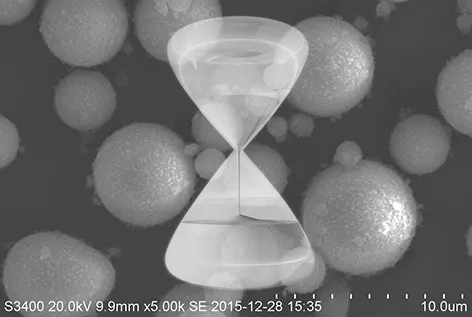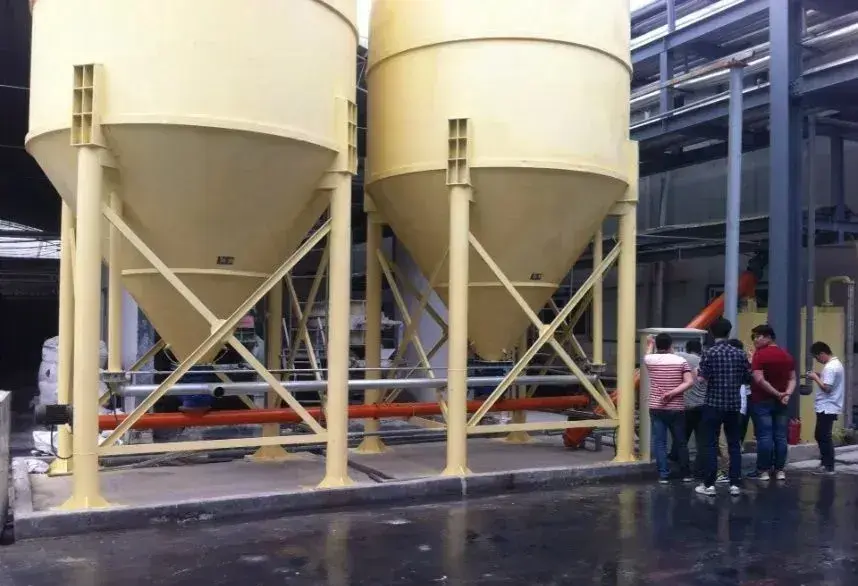
Bạn đã bao giờ tự hỏi tại sao các loại sơn cao cấp không bị chảy khi sơn lên tường? Tại sao kem đánh răng chất lượng cao giữ nguyên hình dạng trên bàn chải mà không bị xẹp? Tại sao một số loại kem dưỡng da và kem dưỡng thể vẫn giữ được độ mịn, đồng nhất và không bị tách lớp hay nhờn theo thời gian? Đằng sau những hiện tượng thường ngày này thường là một "kiến trúc sư vô hình" khiêm tốn nhưng mạnh mẽ - lithium hectorite (còn được gọi là hectorite tổng hợp, Laponite®, hoặc các sản phẩm như TY-200S).
1. Chính xác thì nó là gì?
Lithium hectorite (ví dụ: TY-200S, Laponite® RD, Hectgel RD, hoặc các loại tương tự) là một loại đất sét nano silicat lớp tổng hợp, có dạng hạt mịn, bột trắng tinh khiếtSản phẩm không độc hại, không mùi, không gây kích ứng và thân thiện với môi trường, tuân thủ các quy định về mỹ phẩm, sản phẩm chăm sóc cá nhân và vật liệu tiếp xúc với thực phẩm.
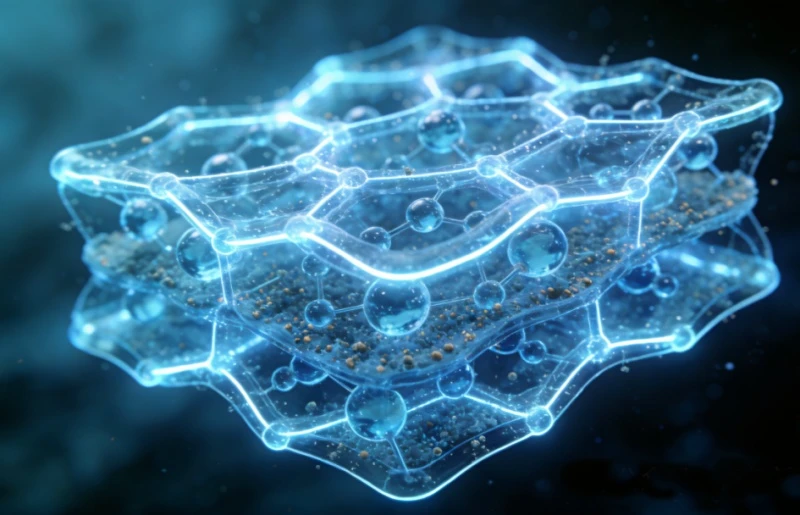
Thành phần hóa học điển hình của nó tương tự như Na⁺₀.₇[(Si₈Mg₅.₅Li₀.₃)O₂₀(OH)₄], thuộc họ hectorit tổng hợp (một loại đất sét smectit ba bát diện). Các hạt là các tấm nano siêu mỏng, hình đĩa (đường kính ~25–50 nm, độ dày ~1 nm), có diện tích bề mặt riêng rất lớn và đặc tính điện tích bề mặt độc đáo (âm ở các mặt, dương ở các cạnh).
Khi phân tán trong nước, các tấm nano này nhanh chóng ngậm nước, tách lớp và tự lắp ráp thông qua tương tác tĩnh điện và liên kết hydro thành cấu trúc mạng lưới ba chiều dạng "nhà xếp bài". Điều này giữ lại một lượng lớn nước, tạo thành gel trong suốt hoặc bán trong suốt. Quá trình "biến đổi nhờ nước" này làm cho nó trở thành chất điều chỉnh độ nhớt, chất làm đặc, chất tạo huyền phù và chất ổn định lý tưởng trong nhiều hệ thống dung dịch nước.
2. Tại sao nó lại hiệu quả đến vậy? Phân tích cơ chế cốt lõi
“Điều kỳ diệu” của lithium hectorite bắt nguồn từ ba đặc tính chính:
- Cấu trúc “bánh ngọt nhiều lớp” nano độc đáo + Mạng lưới nhà bằng bài tây Các tấm nano được tách lớp tạo thành một mạng lưới liên kết chéo 3D trong nước, với các cạnh (điện tích dương) hút các mặt (điện tích âm). Điều này tạo ra vô số khung vi mô giữ nước và các hạt, tạo ra độ nhớt cao và ứng suất chảy dẻo—làm cho hệ thống "đứng vững" khi ở trạng thái nghỉ.
- Tính chất thixotropy tuyệt vời — “Ổn định khi đứng yên, lỏng khi bị cắt”
- Ở trạng thái nghỉ hoặc lực cắt thấp: Mạng lưới vẫn nguyên vẹn → độ nhớt cao, chống chảy xệ, chống lắng đọng.
- Dưới tác động của lực cắt cao (khuấy, chải, ép, phun): Mạng lưới phân tử tạm thời bị phá vỡ → độ nhớt giảm mạnh, khả năng chảy tuyệt vời.
- Sau khi loại bỏ lực cắt: Mạng lưới phân tử tái tạo nhanh chóng (vài giây đến vài phút) → độ nhớt phục hồi. Đây chính là lý do tại sao sơn "dễ dàng lan đều nhưng không chảy nhỏ giọt", và kem đánh răng "dễ dàng bơm ra nhưng vẫn giữ nguyên hình dạng".
- Độ ổn định hệ thống treo vượt trội và khả năng chống lún. Mạng lưới 3D này có tác dụng "nâng đỡ" các hạt rắn có mật độ cao hơn (chất tạo màu, chất độn, chất mài mòn, hoạt chất), ngăn ngừa hiện tượng lắng cứng hoặc tách pha, giúp kéo dài đáng kể thời hạn sử dụng—ngay cả trong các hệ thống có hàm lượng chất rắn cao hoặc mật độ cao.
Ngoài ra, sản phẩm còn có khả năng chịu nhiệt tốt, khả năng dung nạp điện phân (duy trì trạng thái tạo gel ở nồng độ muối vừa phải) và độ trong suốt (liều lượng thấp không làm đục các hệ thống trong suốt), điều này làm cho nó đặc biệt có giá trị trong các công thức trong suốt cao cấp.
3. Nó “tỏa sáng một cách thầm lặng” ở đâu?
Lithium hectorite thực chất là một "chất ổn định phổ quát" trong các hệ thống dung dịch nước. Các ứng dụng phổ biến bao gồm:
Sản phẩm chăm sóc cá nhân & hóa chất dùng hàng ngày
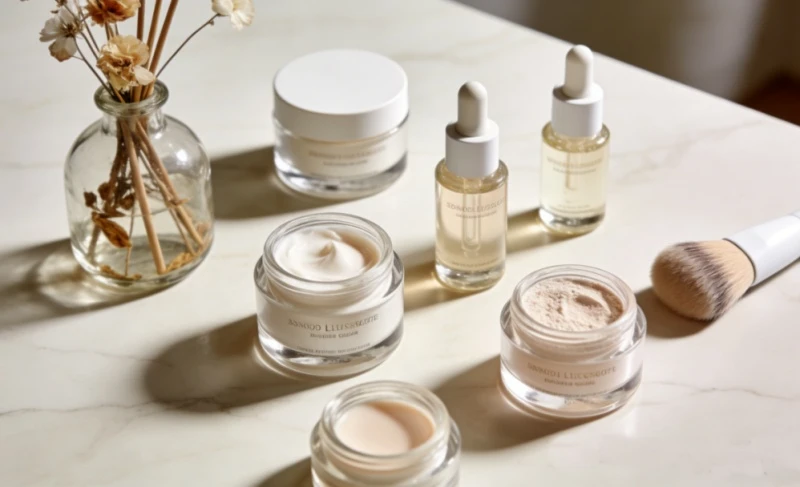
- Kem dưỡng, sữa dưỡng thể, mặt nạ: Tăng độ nhớt, cải thiện cảm giác trên da, ngăn ngừa sự tách lớp dầu/nước.
- Kem đánh răng: Giúp giữ hình dạng tuyệt vời và không bị xẹp sau khi ép.
- Dầu gội, sữa tắm, gel cạo râu: Tăng độ bền của bọt và khả năng bám dính vào bề mặt thẳng đứng.
- Các chất tẩy rửa gia dụng (nước lau kính, gel vệ sinh bồn cầu): Giúp các hoạt chất bám lâu hơn trên bề mặt thẳng đứng để làm sạch tốt hơn.
Lớp phủ và chất kết dính công nghiệp
- Sơn kiến trúc gốc nước, sơn kim loại, sơn phủ gỗ: Chống chảy xệ, chống lắng đọng, cải thiện khả năng thi công và độ dày lớp sơn.
- Sơn chống ăn mòn cho ô tô và công nghiệp: Kiểm soát độ nhớt để phun đều, tạo bề mặt khô mịn.
- Keo dán và chất trám kín: Khả năng ép đùn tốt hơn và chống chảy xệ.
Các lĩnh vực công nghiệp khác
- Men gốm: Giữ cho hỗn hợp men luôn ở trạng thái phân tán đồng đều, đảm bảo lớp men phủ mịn và không bị lỗi.
- Dung dịch khoan dầu: Hoạt động như chất làm đặc/chất huyền phù để mang theo các mảnh vụn khoan và ổn định thành giếng.
- Bột màu, dung dịch thuốc trừ sâu: Ngăn ngừa lắng đọng, đảm bảo màu sắc/hiệu quả đồng đều.
- Dược phẩm & công nghệ sinh học: Chất mang giải phóng thuốc kéo dài, hydrogel kỹ thuật mô, băng vết thương (khả năng tương thích sinh học tuyệt vời).
4. Cách sử dụng đúng cách? Hướng dẫn thực hành
Phân tán lực lượng là yếu tố then chốt dẫn đến thành công. Có hai phương pháp phổ biến:
- Phương pháp tạo gel trước (Khuyến nghị để đạt được độ đặc tốt nhất)
- Chuẩn bị riêng hỗn hợp tiền gel 2%–4% (w/w): Từ từ thêm lithium hectorite vào nước khử ion ở nhiệt độ 25–50°C (tránh đổ toàn bộ cùng một lúc để tránh vón cục), khuấy tốc độ cao (1500–3000 vòng/phút) trong 20–30 phút cho đến khi phân tán hoàn toàn và không còn hạt.
- Để yên trong 8–24 giờ để hỗn hợp ngấm nước hoàn toàn và chín muồi (độ nhớt sẽ tăng thêm).
- Trộn đều hỗn hợp tiền gel vào công thức chính. Ưu điểm: Phân tán đều, quá trình tạo gel đồng nhất.
- Phương pháp phân tán trực tiếp
- Thích hợp với thiết bị có lực cắt cao (máy nghiền cát, máy nghiền ghim vân vân).
- Từ từ thêm bột vào hệ thống đồng thời tạo lực cắt mạnh. Lưu ý: Lực cắt không đủ có thể gây vón cục hoặc phân tán không đều.
Mẹo sử dụng:
- Liều lượng thông thường: 0,1%–3,0% (điều chỉnh dựa trên độ nhớt mục tiêu; liều lượng thấp sẽ làm đặc đáng kể).
- Có khả năng hút ẩm cao → bảo quản kín ở nơi khô ráo, thoáng mát để tránh bị vón cục do hơi ẩm.
- Trong các hệ thống có nồng độ chất điện giải cao hoặc tính axit, quá trình tạo gel có thể bị suy yếu → hãy kiểm tra trước hoặc sử dụng các chất tạo phức (ví dụ: pyrophosphat) để hỗ trợ phân tán.
- Thường phát huy tác dụng hiệp đồng khi kết hợp với các chất làm đặc hữu cơ (cellulose, acrylic) để tăng cường hiệu quả.
5. Kết luận
Lithium hectorite TY-200S (hoặc các loại hectorite tổng hợp tương đương) có thể trông giống như một loại bột trắng thông thường, nhưng nó đóng vai trò là "chất ổn định", "chất điều chỉnh độ nhớt" và "chất bảo vệ huyền phù" trong vô số sản phẩm tiêu dùng và công nghiệp. Nó giúp sơn dễ sử dụng hơn, kem đánh răng giữ được độ đặc, kem dưỡng da mịn màng hơn và chất tẩy rửa hiệu quả hơn - thực sự thể hiện đặc tính lưu biến thông minh "giống gel khi ở trạng thái nghỉ, lỏng khi chuyển động".
Trong nỗ lực hiện nay nhằm tạo ra các sản phẩm gốc nước hiệu suất cao, thân thiện với môi trường, "trợ thủ vô hình" ở kích thước nano này ngày càng trở nên không thể thiếu. Nếu bạn đang pha chế sơn, sản phẩm chăm sóc cá nhân hoặc hỗn hợp công nghiệp, hãy thử sử dụng nó – biết đâu đây chính là chìa khóa giúp sản phẩm của bạn thực sự "nổi bật"!
Bạn tò mò về các mẹo pha chế cụ thể, sự kết hợp với các chất làm đặc khác, hoặc các lựa chọn nguồn cung cấp lithium hectorite? Hãy thoải mái để lại bình luận.—Hãy cùng thảo luận nào!
Cảm ơn bạn đã đọc. Tôi hy vọng bài viết của tôi hữu ích. Vui lòng để lại bình luận bên dưới. Bạn cũng có thể liên hệ với bộ phận chăm sóc khách hàng trực tuyến của Zelda nếu có bất kỳ thắc mắc nào khác.
— Đăng bởi Emily Chen