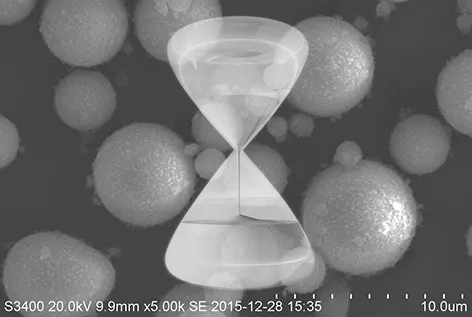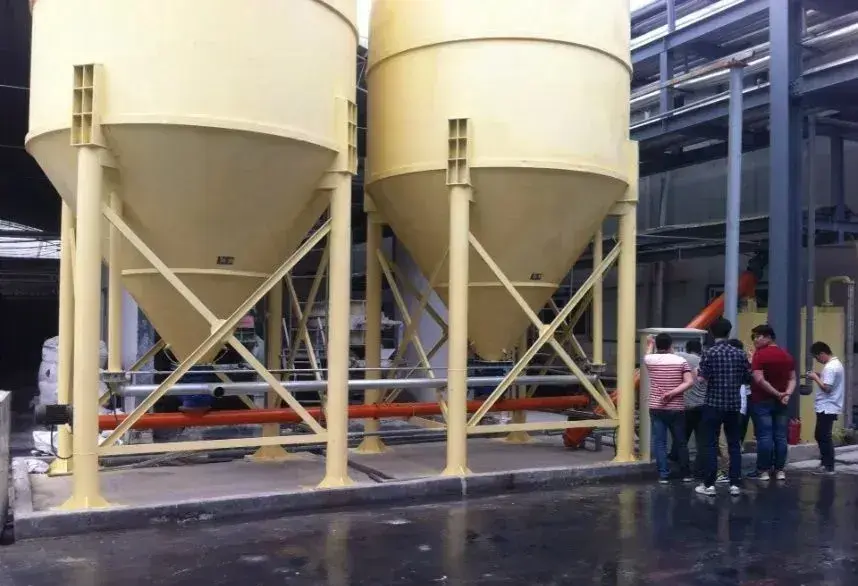
Selecting the right micro powder grinder (ultrafine mill, micro powder mill) is crucial—especially when your target fineness reaches several microns, submicron, or even nanometer levels (D50 < 2 μm or D97 < 10 μm). Typical applications include flame retardants (aluminum hydroxide/magnesium hydroxide), GCC/PCC calcium carbonate, talc, silica powder, ceramics, battery materials, pharmaceuticals, pigments, and more. Choosing the wrong equipment often results in high energy consumption, wide particle size distribution, low fine powder yield, and fast wear.
Below is the latest and most systematic selection guide:
Define Your Target Particle Size and Distribution
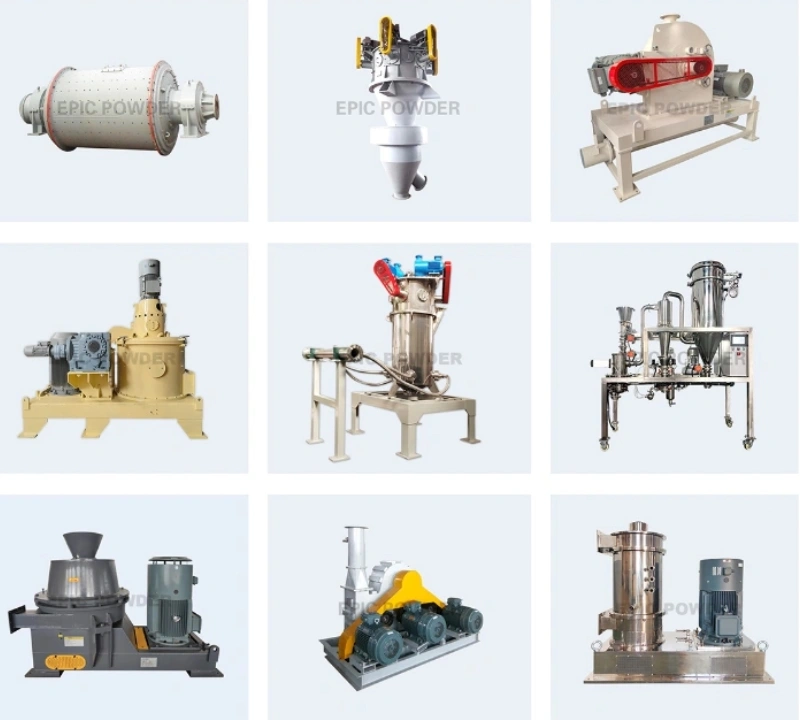
D97 20–45 μm:
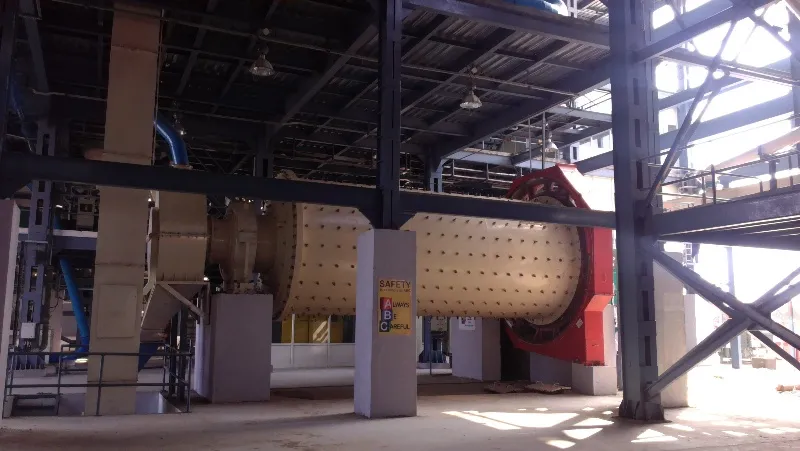
- Ball mill + air classifier
- Impact mill, pin mill
D97 5–20 μm:
- Air classifier mill (ACM)
- High-efficiency mechanical mills
D97 < 5 μm (Ultrafine Level):
- Jet mill (fluidized bed, opposing jet)
- High-precision classification systems
Submicron / Nano Level:
- Steam jet mill
- Multi-rotor precision classifier
- Wet stirred media mill (if wet grinding is acceptable)
Dry Grinding vs. Wet Grinding
| Category | Dry Process (Jet Mill, ACM, High-Speed Impact Mill) | Wet Process (Bead Mill, Sand Mill) |
|---|---|---|
| Minimum particle size | Typically D50 ≥ 0.8–1 μm | Can reach 80–300 nm |
| Particle morphology | Irregular, crystal structure well preserved | More rounded, high surface activity |
| Contamination | Nearly none (can use ceramic lining) | Possible contamination from grinding media |
| Moisture / heat-sensitive materials | Suitable | Not suitable (unless solvent system) |
| Post-processing | Direct packaging | Requires drying + deagglomeration |
| Typical materials | ATH, MH, CaCO₃, talc, silica fume | High-end ATH, battery materials, pigments |
Production Capacity Requirements
- Lab / pilot scale: 1–50 kg/h → Lab jet mill or small bead mill.
- Medium scale: 100–800 kg/h → 300–750 mm jet mills or 30–100 L bead mills.
- Large scale: >1 t/h → Multiple large jet mills in parallel or 200–500 L circulation bead mills.
Energy Consumption and Operating Costs:
- Jet mill: 500–1200 kWh/t (increases sharply with hardness and fineness)
- ACM mechanical mill: 80–250 kWh/t
- Wet bead mill: 100–400 kWh/t (plus drying energy)
Material Hardness and Abrasiveness
| Mohs Hardness | Recommended Equipment |
|---|---|
| < 3 | Almost any mill |
| 3–5 | ACM, jet mill |
| 5–7 | Fluidized bed jet mill + ceramic lining |
| > 7 | Jet mill only, or wet grinding with zirconia beads |
Purity Requirements
Industries sensitive to contamination and metal impurities:
Electronics, lithium-ion battery materials, semiconductor fillers
→ Jet mill or ceramic-lined mechanical mills
Plastics, coatings, paints
→ Air classifier mill or ball mill system
Food, pharmaceuticals
→ Stainless-steel, GMP-designed equipment
If extremely sensitive to metal contamination, choose:
- Ceramic components
- Polymer- or ceramic-coated classifier wheels
- Non-contact grinding (jet mill)
Key Technical Parameters to Compare
- Classifier wheel speed & precision (determines D97)
- Grinding pressure / airflow (jet mill)
- Media size and filling ratio (wet grinding)
- Liner materials: PU, alumina, zirconia, silicon carbide
- Effectiveness of cooling system
Recommended Mainstream Equipment Models for 2026
| Target Fineness | Recommended Equipment |
|---|---|
| D50 1–3 μm (dry) | Fluidized bed jet mill |
| D50 0.8–2 μm (dry) | High-precision ACM + air classifier |
| D50 0.5–1.5 μm (wet) | Horizontal bead mill + flash dryer |
| Submicron (wet) | Large circulation bead mill (0.1–0.3 mm beads) |
Conclusion
Choosing the best micro powder grinder requires a clear understanding of material characteristics, target particle size, production scale, purity standards, and long-term operating costs. With decades of expertise in ultrafine grinding, classification, and powder engineering, Epic Powder provides tailored solutions that cover the full spectrum of dry and wet micronization technologies—including jet mills, air classifier mills, ball mill–classifier systems, and advanced wet grinding lines. By integrating precise particle size control, low-contamination design, and highly efficient classification systems, Epic Powder ensures stable production, consistent product quality, and significantly improved process efficiency. Whether you are processing aluminum hydroxide, calcium carbonate, silica, battery materials, or high-purity industrial powders, Epic Powder delivers equipment and turnkey solutions that help you achieve reliable, scalable, and cost-effective ultrafine grinding performance.

“Thanks for reading. I hope my article helps. Please leave a comment down below. You may also contact Zelda online customer representative for any further inquiries.”
— Posted by Emily Chen